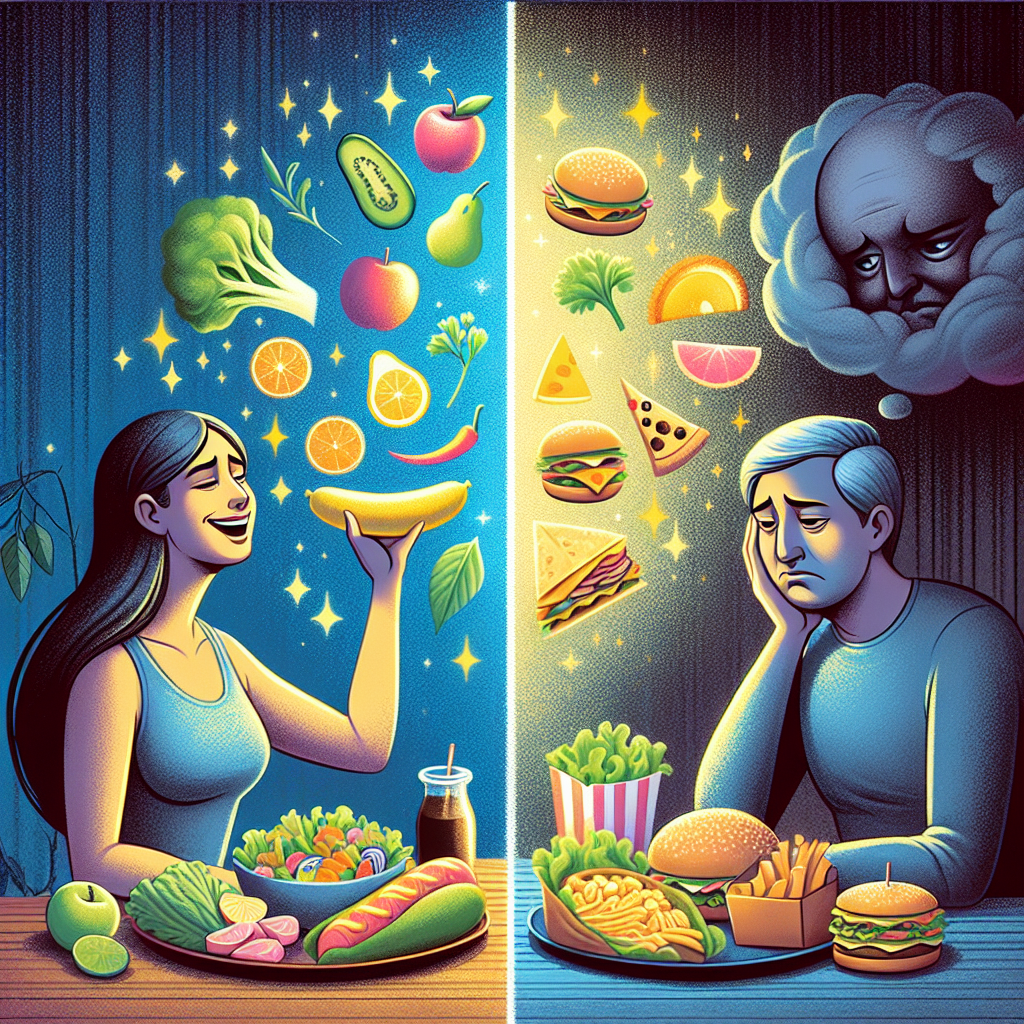
The Connection Between Diet and Mood
The saying ‘You are what you eat’ carries an inherent truth when it comes to our emotional and mental well-being. In recent times, scientific studies have illuminated the profound impact diet can have on mood. The field of nutritional psychiatry has begun to show us that the quality of our diet is not just crucial for physical health but for our psychological health as well.
Understanding the Diet-Mood Relationship
To appreciate the connection between diet and mood, it’s essential to recognize that what we eat affects our brain structure and function, and consequently our behavior. Nutrients from food are the building blocks of neurotransmitters – the chemical messengers that transmit signals between neurons in the brain. The balance of these neurotransmitters can significantly influence mood and emotional well-being.
Brain-Boosting Nutrients
Some nutrients are particularly beneficial for brain health:
– Omega-3 fatty acids have been shown to reduce symptoms of depression and anxiety.
– B vitamins play critical roles in neural communication and the synthesis of neurotransmitters such as dopamine and serotonin.
– Amino acids from protein are precursors to these neurotransmitters.
– Antioxidants in fruits and vegetables protect brain cells from oxidative stress and inflammation.
Inflammation and Gut Health
Emerging research also links dietary patterns with inflammation and gut health, both of which can impact mental health. A diet high in processed foods and sugars can promote inflammation, which has been associated with an increased risk of depression. Meanwhile, the gut microbiome – the trillions of bacteria in the digestive system – has been shown to communicate with the brain through what is often referred to as the ‘gut-brain axis’. A diet rich in diverse, fibrous foods supports a healthy microbiome, which can positively influence mood.
From a clinical standpoint, confronting mood disorders may now extend beyond traditional therapy and medication to also include a focus on dietary habits. Incorporating a nutrient-dense diet, rich in whole foods, can contribute largely to mental well-being.
The Role of Specific Diets
While experts have yet to agree on one “ideal” diet for mood regulation, certain dietary patterns stand out for their mood-boosting potential.
Mediterranean Diet
A prominent example is the Mediterranean diet, characterized by high consumption of vegetables, fruits, whole grains, fish, olive oil, and moderate wine intake. This diet is abundant in many of the nutrients beneficial for brain health and is associated with a lower risk of depression.
Plant-based Diets
Similarly, whole-food, plant-based diets are rich in antioxidants and fibers that enhance gut health and reduce inflammation. These diets are also linked with better mood and emotional well-being.
Conversely, a diet high in processed foods, refined carbohydrates, and sugary drinks is linked with poorer mental health outcomes. These foods trigger spikes and crashes in blood sugar levels, contributing to mood swings and irritability.
Personalized Nutrition
It is clear that diet has an overarching influence on emotional well-being, but the impact can vary from person to person. Personalized nutrition considers individual differences in genetics, metabolism, and lifestyle when determining the most beneficial dietary pattern for mood and health.
Emotional Eating and Mood
Emotions can also influence dietary choices — often in a vicious cycle where mood affects the diet, which in turn, impacts mood. Recognizing and managing emotional eating is crucial for breaking this cycle.
Adopting Healthy Eating Habits
Consistent, well-informed dietary choices can support mood and emotional health. Consider the following strategies:
– Focus on whole foods and minimize the intake of processed foods and sugars.
– Aim for a balance of macronutrients – carbohydrates, proteins, and fats – at each meal, to stabilize blood sugar levels.
– Stay hydrated, as dehydration can negatively affect energy levels and mood.
– Introduce a variety of foods into the diet to ensure a range of nutrients and promote a healthy gut microbiome.
– Consider the timing of meals to ensure regular intake of nutrients throughout the day.
The Importance of Consistency and Moderation
Consistency in following a healthy diet is more important than temporary dietary overhauls. Occasional indulgences are a part of life and should be enjoyed in moderation without guilt. It is the overall dietary pattern that matters most for emotional well-being.
Debunking Diet Myths
In a sea of fad diets and nutrition misinformation, it’s vital to discern evidence-based dietary advice from myths. Fad diets that make sweeping health claims and restrict entire food groups can do more harm than good, both physically and emotionally. Sustainable, balanced eating habits are the key to long-lasting health and emotional well-being.
Educational Outreach and Public Policy
Education plays a significant role in empowering people to make better dietary choices for their mental health. Public policy can also facilitate access to healthy foods and promote nutritional literacy.
Integrating Diet into Mental Health Care
Acknowledging the role of diet in emotional health, many mental health professionals now consider diet alongside traditional treatment methods. This process may include working with dietitans or nutritionists to develop personalized dietary interventions.
The Way Forward: Diet and Mental Resilience
In the future, dietary interventions may become a staple in building mental resilience and treating mood disorders. Mental health initiatives increasingly embrace holistic approaches, with diet being integral to a full spectrum of care.
The Impact of Diet on Mood and Emotional Well-Being: A Recap
– Diet plays a significant role in mood and emotional well-being through its impact on brain chemistry and gut health.
– Nutrients such as omega-3 fatty acids, B vitamins, amino acids, and antioxidants are essential for brain health and mood regulation.
– Dietary choices influence neurotransmitter balance and inflammation, both of which affect mood.
– Diets like the Mediterranean and whole-food, plant-based diets are associated with improved mental health.
– Emotional eating can perpetuate mood imbalances, highlighting the need for awareness and management strategies.
– Consistency and moderation in healthy dietary habits are crucial for long-term emotional well-being.
– Education and public policy have roles in promoting better dietary choices for mental health.
– Integrating diet into mental health care is gaining traction as an effective complementary approach.
– Moving forward, dietary interventions may be key in building mental resilience and treating mood disorders.
In Summary
The mind-body connection is undeniable, and the role of diet in influencing mood and emotional well-being further substantiates this bond. As we understand more about the complex ways in which food affects our mental health, it becomes increasingly clear that what we put on our plates is equally as important as the treatments we receive in the doctor’s office. The potential power of a good diet in promoting not only physical health but also emotional resilience and happiness is truly a testament to the old adage – food truly can be medicine. For anyone looking to enhance their emotional well-being, taking a closer look at their dietary habits is a tangible and crucial step. As for society at large, continuing to promote nutritional awareness and access to a healthy diet stands as a vital component for the future of mental health care and overall emotional wellness.
