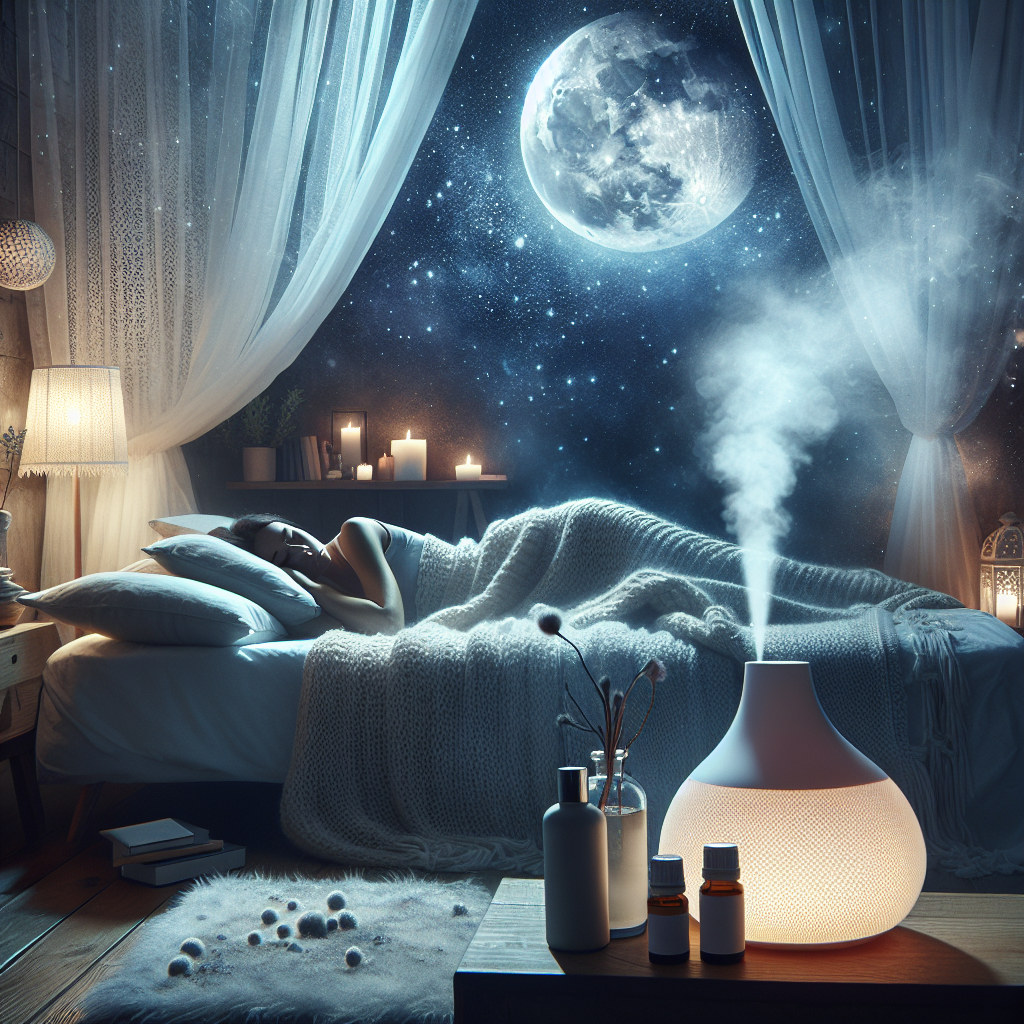
**The Impact of Aromatherapy on Sleep Quality and Relaxation**
In today’s fast-paced world, the quest for better sleep and relaxation is more prominent than ever. Aromatherapy, a holistic healing treatment that uses natural plant extracts to promote health and well-being, has gained significant popularity as a natural remedy for enhancing sleep quality and promoting relaxation. This article delves into the science behind aromatherapy, its benefits, and how it can be effectively integrated into daily life to improve sleep and relaxation.
**Understanding Aromatherapy**
Aromatherapy is an ancient practice that dates back thousands of years, with roots in various cultures, including Egyptian, Chinese, and Indian traditions. The practice involves the use of essential oils extracted from plants, which are believed to have therapeutic properties. These oils can be inhaled, applied topically, or diffused in the air to stimulate the olfactory system and influence the brain’s limbic system, which is responsible for emotions and memories.
**The Science Behind Aromatherapy**
The effectiveness of aromatherapy is largely attributed to the interaction between the olfactory system and the brain. When essential oils are inhaled, the scent molecules travel through the nasal passage to the olfactory bulb, which is directly connected to the limbic system. This part of the brain plays a crucial role in controlling emotions, mood, and stress levels. By influencing the limbic system, aromatherapy can help reduce anxiety, elevate mood, and promote relaxation.
**Benefits of Aromatherapy for Sleep and Relaxation**
Aromatherapy offers a range of benefits that can significantly improve sleep quality and enhance relaxation. Some of the key advantages include:
– **Stress Reduction**: Essential oils such as lavender, chamomile, and bergamot have been shown to reduce cortisol levels, the body’s primary stress hormone, thereby promoting relaxation and reducing anxiety.
– **Improved Sleep Quality**: Certain essential oils can help regulate sleep patterns by promoting relaxation and reducing insomnia symptoms. Lavender, in particular, is renowned for its ability to improve sleep quality and increase the duration of deep sleep.
– **Mood Enhancement**: Aromatherapy can elevate mood by stimulating the production of serotonin and dopamine, neurotransmitters that contribute to feelings of happiness and well-being.
– **Pain Relief**: Some essential oils have analgesic and anti-inflammatory properties that can help alleviate pain and discomfort, further contributing to relaxation and better sleep.
**Popular Essential Oils for Sleep and Relaxation**
Several essential oils are particularly effective in promoting relaxation and improving sleep quality. These include:
– **Lavender**: Known for its calming and soothing properties, lavender is one of the most popular essential oils for promoting sleep and relaxation. It can help reduce anxiety, improve mood, and enhance sleep quality.
– **Chamomile**: Chamomile is well-known for its relaxing and sedative effects. It can help calm the mind, reduce stress, and improve sleep quality.
– **Bergamot**: This citrus-scented oil is effective in reducing stress and anxiety. Its uplifting aroma can help improve mood and promote relaxation.
– **Ylang Ylang**: With its sweet and floral scent, ylang ylang is effective in reducing stress and promoting relaxation. It can also help lower blood pressure and heart rate, contributing to a sense of calm.
– **Sandalwood**: Known for its grounding and calming effects, sandalwood can help reduce anxiety and promote relaxation, making it an excellent choice for improving sleep quality.
**Methods of Using Aromatherapy for Sleep and Relaxation**
There are various ways to incorporate aromatherapy into daily routines to enhance sleep and relaxation. Some of the most common methods include:
– **Diffusion**: Using an essential oil diffuser is one of the most popular ways to enjoy the benefits of aromatherapy. Diffusers disperse the essential oils into the air, allowing you to inhale the aroma and experience its calming effects.
– **Topical Application**: Essential oils can be diluted with a carrier oil and applied to the skin. Common application areas include the temples, wrists, and the soles of the feet. This method allows the oils to be absorbed into the bloodstream, providing therapeutic benefits.
– **Baths**: Adding a few drops of essential oils to a warm bath can create a relaxing and soothing experience. The steam from the bath helps disperse the aroma, while the warm water enhances relaxation.
– **Inhalation**: Inhaling essential oils directly from the bottle or by adding a few drops to a tissue or handkerchief can provide quick relief from stress and anxiety.
– **Massage**: Incorporating essential oils into a massage can enhance relaxation and promote better sleep. The combination of touch and aroma can help relieve tension and stress.
**Safety Considerations in Aromatherapy**
While aromatherapy is generally considered safe, it is important to follow certain precautions to avoid adverse effects. Some key safety considerations include:
– **Dilution**: Essential oils are highly concentrated and should be diluted with a carrier oil before topical application to prevent skin irritation.
– **Allergies**: It is important to conduct a patch test before using a new essential oil to check for any allergic reactions.
– **Quality**: Choose high-quality, pure essential oils from reputable sources to ensure their efficacy and safety.
– **Pregnancy and Medical Conditions**: Pregnant women and individuals with certain medical conditions should consult a healthcare professional before using essential oils.
**Integrating Aromatherapy into Daily Life**
Incorporating aromatherapy into daily routines can be a simple and effective way to enhance sleep quality and promote relaxation. Here are some tips for integrating aromatherapy into your lifestyle:
– **Create a Bedtime Routine**: Establish a calming bedtime routine that includes aromatherapy. Use a diffuser in the bedroom or apply a relaxing essential oil blend to your pillow or bedding.
– **Practice Mindfulness**: Combine aromatherapy with mindfulness practices such as meditation or deep breathing exercises to enhance relaxation and reduce stress.
– **Designate Relaxation Spaces**: Create designated relaxation spaces in your home where you can use aromatherapy to unwind and de-stress.
– **Incorporate Aromatherapy into Self-Care**: Use aromatherapy during self-care activities such as baths, massages, or yoga to enhance the overall experience and promote relaxation.
**Conclusion**
Aromatherapy offers a natural and effective way to improve sleep quality and promote relaxation. By harnessing the power of essential oils, individuals can reduce stress, enhance mood, and achieve a greater sense of well-being. Whether used through diffusion, topical application, or other methods, aromatherapy can be easily integrated into daily life to support better sleep and relaxation. As with any holistic practice, it is important to consider safety guidelines and consult with healthcare professionals when necessary. Embracing aromatherapy can lead to a more balanced and harmonious lifestyle, contributing to overall health and well-being.
