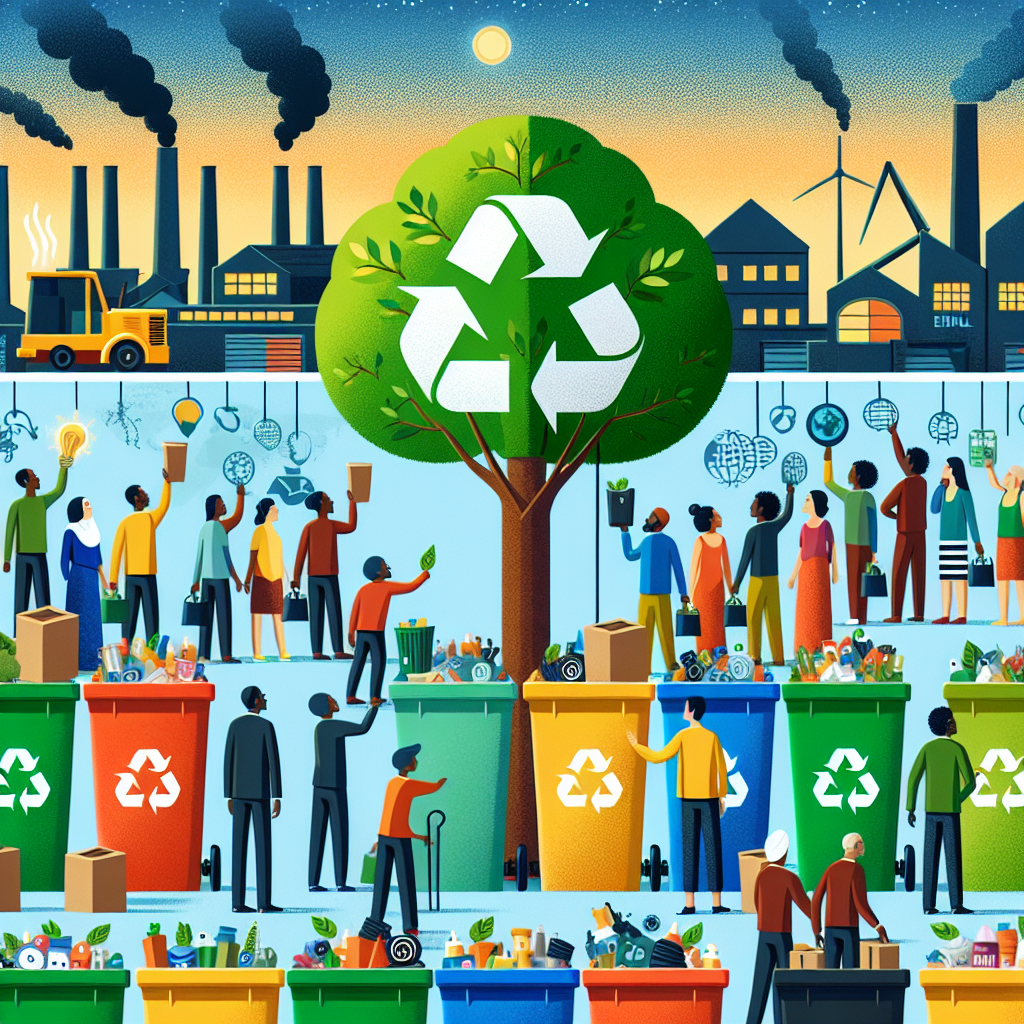
Building Resilience Through Engaging in Ethical Consumerism
In an era marked by rapid technological advancement and global interconnectedness, the concept of ethical consumerism has gained significant traction. As consumers become more aware of the impact of their purchasing decisions, there is a growing movement towards making choices that are not only beneficial to the individual but also to society and the environment. This shift towards ethical consumerism is not just about making informed choices; it is about building resilience in a world that is constantly changing. This article explores the multifaceted nature of ethical consumerism and how engaging in it can foster resilience at both an individual and societal level.
Understanding Ethical Consumerism
Ethical consumerism, at its core, involves making purchasing decisions that align with one’s values and ethics. This means considering the social, environmental, and economic impacts of the products and services one chooses to buy. Ethical consumers prioritize companies that demonstrate corporate social responsibility, use sustainable practices, and treat their workers fairly.
Key Aspects of Ethical Consumerism
1. **Sustainability**: Ethical consumers seek out products that are produced sustainably, minimizing environmental impact. This includes choosing items made from renewable resources, supporting brands that prioritize eco-friendly practices, and reducing waste through mindful consumption.
2. **Fair Trade**: Supporting fair trade products ensures that producers in developing countries receive fair wages and work in safe conditions. Ethical consumers often look for certifications that guarantee fair trade practices.
3. **Animal Welfare**: Many ethical consumers are concerned about the treatment of animals in the production process. They may choose to buy cruelty-free products or those that are certified as humane.
4. **Social Justice**: Ethical consumerism also involves supporting companies that promote social justice, such as those that champion diversity and inclusion or contribute to community development.
The Role of Ethical Consumerism in Building Resilience
Resilience is the ability to adapt and thrive in the face of challenges and changes. Engaging in ethical consumerism can enhance resilience in several ways:
1. **Economic Resilience**: By supporting local businesses and fair trade practices, consumers can contribute to more stable and equitable economic systems. This helps communities withstand economic shocks and reduces dependency on exploitative practices.
2. **Environmental Resilience**: Choosing sustainable products helps reduce environmental degradation and supports ecosystems’ ability to recover from disruptions. This is crucial in the face of climate change and environmental crises.
3. **Social Resilience**: Ethical consumerism fosters social resilience by promoting fair labor practices and supporting communities. This can lead to stronger, more cohesive societies that are better equipped to handle social challenges.
4. **Personal Resilience**: On an individual level, ethical consumerism encourages mindfulness and intentionality in purchasing decisions. This can lead to a greater sense of agency and empowerment, which are key components of personal resilience.
Challenges in Ethical Consumerism
While the benefits of ethical consumerism are clear, there are several challenges that consumers face in adopting these practices:
1. **Information Overload**: With the vast amount of information available, it can be difficult for consumers to discern which products truly align with their values. Misleading labels and greenwashing further complicate this issue.
2. **Cost**: Ethical products often come with a higher price tag, which can be a barrier for consumers with limited financial resources.
3. **Limited Availability**: In some areas, access to ethical products is limited, making it challenging for consumers to make sustainable choices.
4. **Complex Supply Chains**: The complexity of global supply chains can make it difficult for consumers to trace the origins of products and verify their ethical credentials.
Strategies for Promoting Ethical Consumerism
To overcome these challenges and promote ethical consumerism, several strategies can be employed:
1. **Education and Awareness**: Increasing consumer awareness about the impact of their choices is crucial. Educational campaigns and resources can help consumers make informed decisions.
2. **Transparency and Certification**: Companies should strive for transparency in their supply chains and seek certifications from reputable organizations that verify ethical practices.
3. **Policy and Regulation**: Governments can play a role by implementing policies that encourage sustainable practices and protect consumers from misleading claims.
4. **Community Initiatives**: Local initiatives, such as farmers’ markets and cooperative businesses, can provide consumers with more accessible ethical options.
5. **Technological Solutions**: Technology can be leveraged to provide consumers with tools and platforms that make it easier to identify and purchase ethical products.
The Future of Ethical Consumerism
As awareness of global issues such as climate change, inequality, and human rights continues to grow, ethical consumerism is likely to become more mainstream. The future of ethical consumerism will be shaped by several trends:
1. **Increased Corporate Responsibility**: Companies are increasingly recognizing the importance of corporate social responsibility and are taking steps to align their practices with consumer values.
2. **Technological Advancements**: Innovations in technology, such as blockchain, can enhance transparency in supply chains and provide consumers with more reliable information about product origins.
3. **Consumer Activism**: Consumers are becoming more vocal about their demands for ethical practices, using social media and other platforms to hold companies accountable.
4. **Collaborative Efforts**: Collaboration between businesses, governments, and non-profit organizations will be essential in creating systems that support ethical consumerism.
Conclusion
Engaging in ethical consumerism is a powerful way to build resilience in a rapidly changing world. By making choices that align with ethical values, consumers can contribute to economic stability, environmental sustainability, and social cohesion. While challenges remain, the growing movement towards ethical consumerism offers hope for a more resilient and equitable future. As individuals and communities continue to embrace these practices, they will not only enhance their own resilience but also contribute to a more sustainable and just world.
