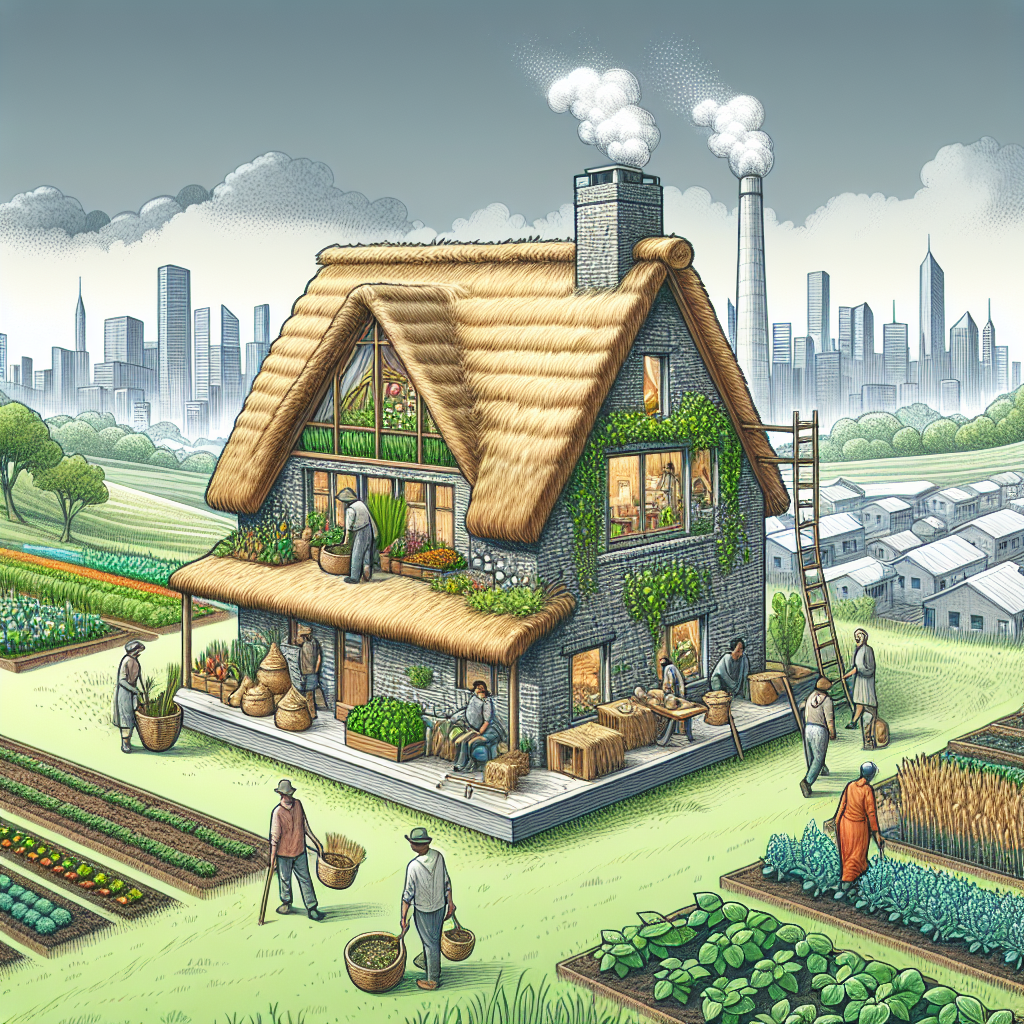
The Influence of Natural Building Techniques on Sustainable Living
Introduction
In recent years, the growing concern for environmental sustainability has led to a resurgence of interest in natural building techniques. These methods, which utilize locally sourced, renewable, and often recycled materials, offer a sustainable alternative to conventional construction practices. Natural building techniques not only minimize environmental impact but also promote healthier living environments. This article explores the various natural building methods, their benefits, and their role in fostering sustainable living.
Understanding Natural Building Techniques
Natural building techniques encompass a wide range of construction methods that rely on natural materials. These techniques are characterized by their emphasis on sustainability, energy efficiency, and ecological harmony. Key materials used in natural building include earth, straw, bamboo, and reclaimed wood. The following sections delve into some of the most prominent natural building methods.
Cob Construction
Cob is a traditional building material made from subsoil, water, fibrous organic material (typically straw), and sometimes lime. This mixture is sculpted into walls and structures without the need for formwork. Cob buildings are known for their durability and excellent thermal mass, which helps regulate indoor temperatures. The benefits of cob construction include:
– Longevity: Cob structures can last for centuries with proper maintenance.
– Energy Efficiency: The thermal mass properties of cob help maintain stable indoor temperatures, reducing the need for heating and cooling.
– Low Environmental Impact: Cob uses locally sourced materials, minimizing transportation emissions.
Straw Bale Construction
Straw bale construction involves using bales of straw as building blocks for walls. These bales are stacked and secured with pins, then covered with plaster or stucco for protection. Straw bale buildings offer excellent insulation and are highly energy-efficient. Advantages of straw bale construction include:
– Superior Insulation: Straw bales provide high R-values, reducing energy consumption for heating and cooling.
– Renewable Resource: Straw is a byproduct of grain production and is readily available.
– Cost-Effectiveness: Straw bale construction can be more affordable than traditional building methods.
Rammed Earth Construction
Rammed earth construction involves compacting a mixture of earth, sand, and sometimes stabilizers like cement into molds to form walls. This technique has been used for thousands of years and is celebrated for its strength and sustainability. Key benefits of rammed earth construction include:
– Durability: Rammed earth walls are robust and can withstand extreme weather conditions.
– Thermal Mass: Like cob, rammed earth provides excellent thermal mass, contributing to energy efficiency.
– Aesthetic Appeal: The natural colors and textures of rammed earth create visually striking structures.
Bamboo Construction
Bamboo is a fast-growing, renewable material that is increasingly being used in sustainable construction. It is lightweight yet strong, making it an ideal choice for a variety of building applications. Benefits of bamboo construction include:
– Rapid Growth: Bamboo can be harvested in as little as three to five years, making it a highly renewable resource.
– Strength: Bamboo’s tensile strength rivals that of steel, offering structural integrity.
– Versatility: Bamboo can be used for structural elements, flooring, and decorative features.
Benefits of Natural Building Techniques
The adoption of natural building techniques offers numerous benefits that extend beyond environmental sustainability. These methods contribute to healthier living spaces, economic savings, and cultural preservation.
Environmental Sustainability
Natural building techniques significantly reduce the carbon footprint of construction activities. By using locally sourced materials, these methods minimize the energy and emissions associated with transportation. Additionally, natural materials are often biodegradable or recyclable, reducing waste in landfills. The energy efficiency of natural buildings further contributes to sustainability by lowering the demand for fossil fuels.
Healthier Living Environments
Buildings constructed with natural materials often provide healthier indoor environments. Natural materials are typically free from toxic chemicals and volatile organic compounds found in synthetic building products. This results in improved indoor air quality and reduced health risks for occupants. Furthermore, the breathable nature of many natural materials helps regulate humidity levels, reducing the likelihood of mold growth.
Economic Savings
While the initial cost of some natural building techniques may be comparable to conventional methods, the long-term savings are substantial. The energy efficiency of natural buildings leads to lower utility bills, and the durability of materials like cob and rammed earth reduces maintenance costs. Additionally, the use of locally sourced materials can lower construction expenses by minimizing transportation costs.
Cultural and Aesthetic Value
Natural building techniques often draw from traditional construction methods, preserving cultural heritage and craftsmanship. These structures can enhance the aesthetic value of a community, blending seamlessly with the natural landscape. The unique and artistic nature of natural buildings also fosters a sense of pride and connection among residents.
Challenges and Considerations
Despite their numerous advantages, natural building techniques are not without challenges. It is essential to consider these factors when planning a natural building project.
Regulatory and Code Compliance
One of the primary challenges of natural building is navigating building codes and regulations. Many jurisdictions have stringent codes that may not accommodate unconventional materials and techniques. It is crucial to work with knowledgeable professionals who can ensure compliance while advocating for the benefits of natural building.
Skill and Labor Requirements
Natural building techniques often require specialized skills and labor. Finding experienced builders and craftspeople can be challenging, particularly in regions where these methods are not widely practiced. Investing in training and education for builders can help address this issue and promote the adoption of natural building techniques.
Climate Considerations
The suitability of certain natural building techniques may vary based on climate conditions. For example, straw bale construction may not be ideal in regions with high humidity, as moisture can compromise the integrity of the bales. It is important to assess the local climate and select materials and techniques that align with environmental conditions.
The Future of Natural Building Techniques
As the demand for sustainable living continues to rise, natural building techniques are likely to play an increasingly significant role in the construction industry. Innovations in materials and methods are expanding the possibilities for natural building, making it more accessible and appealing to a broader audience.
Advancements in Materials
Research and development in natural materials are leading to new and improved building options. For instance, scientists are exploring the potential of mycelium-based materials, which are lightweight, strong, and biodegradable. These advancements could further enhance the sustainability and versatility of natural building techniques.
Integration with Modern Technology
The integration of modern technology with natural building techniques is opening new avenues for sustainable construction. For example, solar panels and rainwater harvesting systems can be seamlessly incorporated into natural buildings, enhancing their energy efficiency and self-sufficiency. Smart home technology can also be adapted to optimize the performance of natural structures.
Community and Policy Support
The growth of natural building techniques will depend on community support and favorable policies. Grassroots movements and advocacy groups are raising awareness about the benefits of natural building, encouraging more individuals and communities to adopt these methods. Additionally, governments can play a crucial role by providing incentives and support for sustainable construction practices.
Conclusion
Natural building techniques offer a promising path toward sustainable living. By harnessing the power of locally sourced, renewable materials, these methods minimize environmental impact while promoting healthier, more resilient communities. Despite the challenges, the benefits of natural building are compelling, making it an essential component of the broader movement toward sustainability. As innovations and awareness continue to grow, natural building techniques are poised to shape the future of construction in harmony with the environment.
