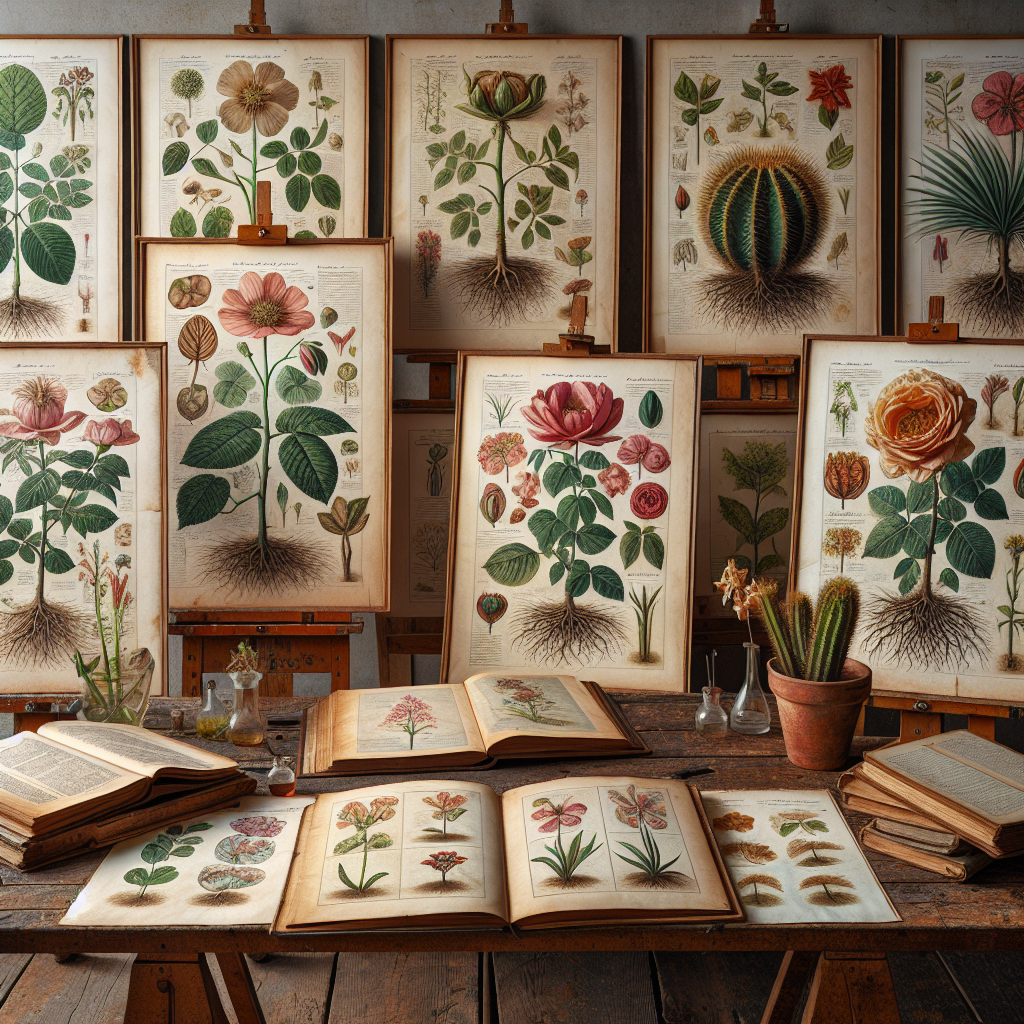
The Joy of Botanical Illustration: Art, Science, and Emotional Expression
Introduction
Botanical illustration is a unique blend of art and science, capturing the intricate details of plant life with precision and beauty. This art form has been a crucial tool for botanists, gardeners, and artists for centuries, providing a visual representation of plant species that is both scientifically accurate and aesthetically pleasing. In recent years, botanical illustration has experienced a resurgence in popularity, as more people discover the joy of combining artistic expression with scientific inquiry. This article explores the history, techniques, and emotional impact of botanical illustration, highlighting its enduring appeal and significance.
The Historical Roots of Botanical Illustration
The practice of botanical illustration dates back to ancient civilizations, where early attempts to document plant life were made by Egyptian, Greek, and Roman scholars. These early illustrations served as vital references for medicinal and agricultural purposes. However, it was during the Renaissance that botanical illustration truly flourished, as explorers and scientists began to document the vast array of plant species discovered in the New World and beyond.
During the 16th and 17th centuries, botanical illustration evolved into a distinct art form. Artists such as Albrecht Dürer and Maria Sibylla Merian made significant contributions, combining their artistic talent with scientific observation. Their works laid the foundation for future generations of botanical illustrators, who continued to refine and expand the field.
The Role of Botanical Illustration in Science
Botanical illustration plays a crucial role in the scientific study of plants. Unlike photographs, which can sometimes fail to capture the true essence of a plant, illustrations offer a level of detail and clarity that is invaluable for scientific research. Illustrators can highlight specific features of a plant, such as leaf structure, flower arrangement, and root systems, providing a comprehensive view that aids in identification and classification.
In addition to its scientific applications, botanical illustration also serves as a historical record of plant species. Many illustrations from the past depict plants that are now extinct or endangered, offering a glimpse into the biodiversity of previous eras. This historical context is essential for understanding the evolution of plant life and the impact of human activity on the natural world.
Techniques and Tools of Botanical Illustration
Creating a botanical illustration requires a keen eye for detail and a thorough understanding of plant anatomy. Illustrators use a variety of techniques and tools to capture the essence of their subjects, often beginning with detailed sketches and studies. These preliminary drawings help the artist understand the structure and form of the plant, ensuring accuracy in the final illustration.
Watercolor is one of the most popular mediums for botanical illustration, prized for its ability to convey the delicate colors and textures of plants. Other mediums, such as pen and ink, colored pencils, and digital tools, are also used to achieve different effects and styles. Regardless of the medium, the goal of a botanical illustrator is to create an image that is both scientifically accurate and visually compelling.
Key Techniques:
– Detailed observation: Careful study of the plant’s structure and form.
– Layering: Building up color and texture gradually.
– Precision: Ensuring accuracy in depicting plant features.
– Composition: Arranging elements to create a balanced and engaging image.
The Emotional Expression in Botanical Illustration
While botanical illustration is grounded in scientific accuracy, it also offers a powerful means of emotional expression. Many artists are drawn to this field because of their deep appreciation for the beauty and complexity of the natural world. Through their work, they seek to convey a sense of wonder and reverence for plant life, inviting viewers to see the world through their eyes.
Botanical illustration can evoke a range of emotions, from the tranquility of a serene landscape to the vibrant energy of a blooming garden. The process of creating these works is often meditative, allowing artists to connect with nature on a profound level. This emotional connection is evident in the finished illustrations, which resonate with viewers and inspire a greater appreciation for the natural world.
The Resurgence of Interest in Botanical Illustration
In recent years, there has been a renewed interest in botanical illustration, driven by a growing awareness of environmental issues and a desire to reconnect with nature. As people seek to escape the digital world and embrace more tactile forms of art, botanical illustration offers a perfect blend of creativity and mindfulness.
Workshops and courses in botanical illustration are increasingly popular, attracting participants from diverse backgrounds. These programs provide an opportunity to learn the techniques and skills required to create botanical art, while also fostering a sense of community among like-minded individuals. Many artists find that the process of creating botanical illustrations is a rewarding and fulfilling experience, offering a sense of accomplishment and personal growth.
The Future of Botanical Illustration
As the world continues to grapple with environmental challenges, botanical illustration remains a vital tool for education and conservation. Illustrators play a key role in raising awareness about the importance of plant diversity and the need to protect our natural heritage. Their work can inspire action and promote a deeper understanding of the interconnectedness of all living things.
The future of botanical illustration is bright, with new technologies and techniques expanding the possibilities for artists. Digital tools allow for greater experimentation and innovation, while traditional methods continue to be valued for their timeless beauty and precision. As more people discover the joy of botanical illustration, this art form will continue to evolve and inspire future generations.
Conclusion
Botanical illustration is a unique and multifaceted art form that bridges the gap between science and creativity. Its ability to capture the intricate details of plant life with precision and beauty makes it an invaluable tool for scientific research and a source of inspiration for artists and nature enthusiasts alike. As we face the challenges of the modern world, the joy of botanical illustration offers a reminder of the beauty and complexity of the natural world, encouraging us to look closer and appreciate the wonders that surround us. Whether as a hobby, a profession, or a means of personal expression, botanical illustration continues to captivate and inspire, offering a timeless celebration of the art and science of nature.
