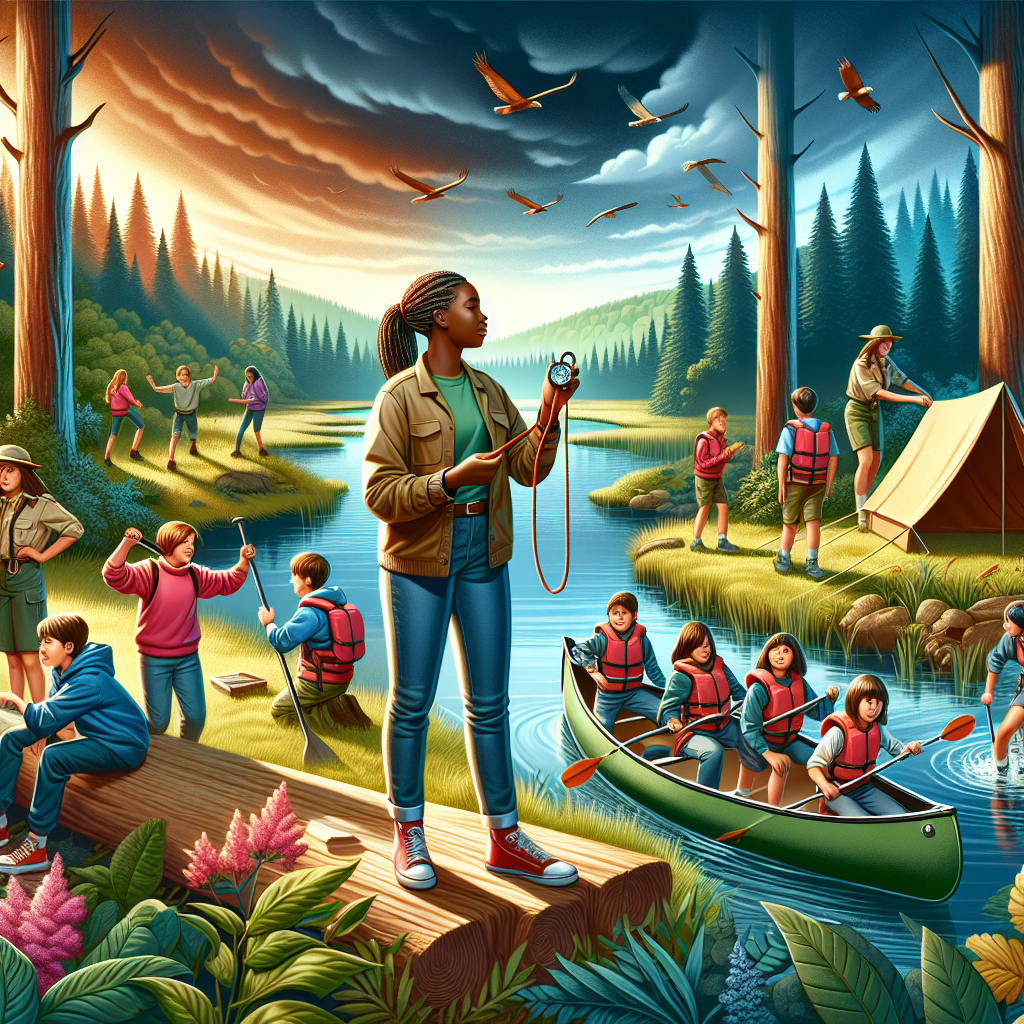
The Role of Adventure Education in Youth Development
Introduction
In an era where digital technology dominates the lives of young people, adventure education emerges as a critical tool for holistic youth development. This educational approach, which emphasizes experiential learning through outdoor activities, fosters personal growth, leadership skills, and environmental stewardship. As society grapples with the challenges of nurturing well-rounded individuals, understanding the impact of adventure education becomes increasingly important.
Understanding Adventure Education
Adventure education is a pedagogical approach that utilizes challenging outdoor activities to promote learning and development. Unlike traditional educational methods, which often focus on theoretical knowledge, adventure education emphasizes experiential learning. Activities such as rock climbing, kayaking, hiking, and team-building exercises are designed to push participants out of their comfort zones, encouraging them to develop resilience, problem-solving skills, and a sense of community.
Key Components of Adventure Education
– **Experiential Learning**: Participants learn through direct experience, reflection, and application of new skills.
– **Challenge and Risk**: Carefully managed risks encourage participants to overcome fears and build confidence.
– **Teamwork and Cooperation**: Group activities foster collaboration, communication, and mutual support.
– **Reflection and Debriefing**: Post-activity discussions help participants process their experiences and solidify learning.
Personal Growth and Self-Discovery
One of the most significant benefits of adventure education is its ability to promote personal growth and self-discovery. By stepping outside their comfort zones, young individuals confront their fears and limitations, leading to increased self-awareness and confidence. The challenges faced during these activities require participants to rely on their inner strengths and problem-solving abilities, fostering a sense of achievement and self-efficacy.
Building Resilience
Adventure education plays a crucial role in building resilience among young people. The unpredictable nature of outdoor activities exposes participants to various challenges and setbacks, teaching them to adapt and persevere. This ability to bounce back from adversity is a valuable life skill that prepares young individuals to face future challenges with confidence and determination.
Enhancing Social Skills and Teamwork
Adventure education emphasizes the importance of teamwork and collaboration. Through group activities, participants learn to communicate effectively, listen actively, and support one another. These experiences foster a sense of belonging and community, helping young individuals develop strong interpersonal skills. The ability to work well with others is essential not only in personal relationships but also in professional environments.
Leadership Development
Developing leadership skills is another critical aspect of adventure education. Participants are often placed in leadership roles during activities, requiring them to make decisions, delegate tasks, and motivate their peers. These experiences help young individuals understand the dynamics of leadership and the importance of responsibility and accountability. As a result, they emerge as more confident and capable leaders.
Cultivating Environmental Stewardship
Adventure education instills a deep appreciation for nature and the environment. By engaging in outdoor activities, participants develop a connection with the natural world and an understanding of the importance of environmental conservation. This awareness fosters a sense of responsibility towards protecting the environment, encouraging young individuals to become advocates for sustainable practices and environmental stewardship.
Case Studies and Success Stories
Several programs across the globe exemplify the positive impact of adventure education on youth development. For instance, Outward Bound, a renowned adventure education organization, has been instrumental in transforming the lives of countless young individuals. Through their programs, participants have reported increased confidence, improved social skills, and a heightened sense of environmental responsibility.
Similarly, the National Outdoor Leadership School (NOLS) offers courses that focus on leadership, wilderness skills, and environmental ethics. Graduates of NOLS programs often cite their experiences as pivotal in shaping their personal and professional lives, highlighting the long-term benefits of adventure education.
Challenges and Considerations
While adventure education offers numerous benefits, it is not without challenges. Ensuring the safety of participants is paramount, requiring skilled instructors and well-planned activities. Additionally, access to adventure education programs can be limited by geographical and financial constraints, potentially excluding disadvantaged youth. Addressing these challenges is essential to ensure that all young individuals have the opportunity to benefit from adventure education.
Ensuring Safety and Inclusivity
To maximize the benefits of adventure education, it is crucial to prioritize safety and inclusivity. Programs must adhere to strict safety protocols and provide comprehensive training for instructors. Additionally, efforts should be made to make adventure education accessible to all youth, regardless of their socio-economic background. This may involve offering scholarships, partnering with community organizations, and developing programs that cater to diverse needs and abilities.
The Future of Adventure Education
As the world continues to evolve, the importance of adventure education in youth development is likely to grow. The skills and experiences gained through adventure education are increasingly relevant in a rapidly changing society. By fostering resilience, leadership, and environmental stewardship, adventure education equips young individuals with the tools they need to navigate the complexities of the modern world.
Conclusion
Adventure education plays a vital role in the holistic development of young individuals. By promoting personal growth, enhancing social skills, and cultivating environmental stewardship, it prepares youth to become responsible, confident, and capable members of society. As educators, parents, and policymakers recognize the value of experiential learning, adventure education is poised to become an integral component of youth development strategies worldwide. Through continued investment and innovation, adventure education can unlock the potential of future generations, empowering them to thrive in an ever-changing world.
