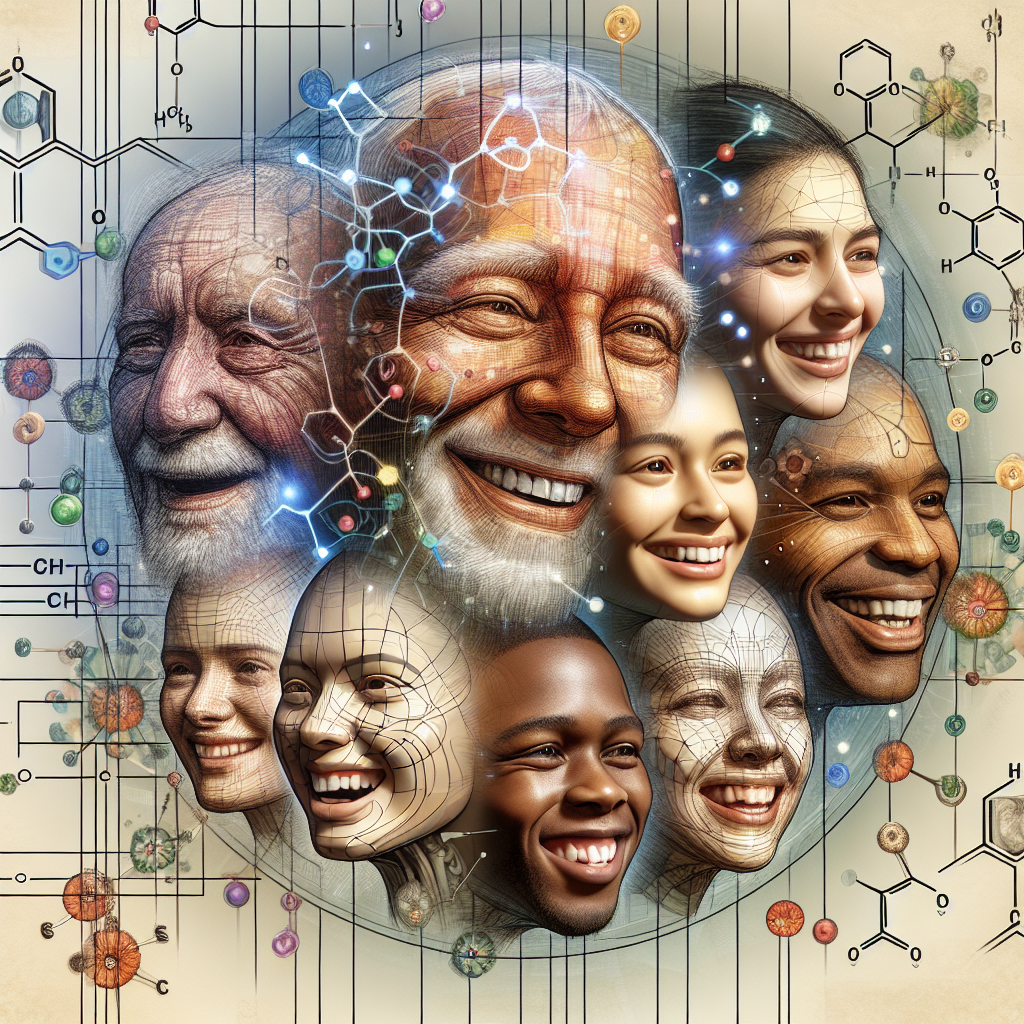
The Science of Smiling: How Facial Expressions Impact Mood
In the vast realm of human emotions, the simple act of smiling stands out as a universal gesture of happiness, warmth, and connection. Yet, beyond its social implications, smiling holds a fascinating place in the study of psychology and neuroscience. This article delves into the science of smiling, exploring how facial expressions impact mood and overall well-being.
Understanding the Basics: What is a Smile?
A smile is a facial expression characterized by the upward curving of the corners of the mouth. It is often associated with positive emotions such as joy, amusement, and contentment. But what exactly happens when we smile?
– **Muscle Movements**: Smiling involves the coordinated action of several facial muscles, primarily the zygomatic major muscle, which lifts the corners of the mouth.
– **Brain Activity**: When we smile, our brain releases neurotransmitters like dopamine, endorphins, and serotonin. These chemicals play a crucial role in regulating mood and promoting feelings of happiness and well-being.
The Neurology of Smiling
The connection between facial expressions and emotional states is deeply rooted in our neurology. The brain and facial muscles are intricately linked through a feedback loop known as the facial feedback hypothesis.
– **Facial Feedback Hypothesis**: This theory suggests that facial movements can influence emotional experiences. For instance, the mere act of smiling can trigger the brain to release mood-enhancing chemicals, even if the smile is not initially genuine.
– **Neural Pathways**: Smiling activates specific neural pathways in the brain, particularly those associated with reward and pleasure. The release of dopamine and endorphins creates a sense of euphoria, while serotonin acts as a natural antidepressant.
The Psychological Impact of Smiling
Beyond its neurological effects, smiling also has profound psychological benefits. It can alter our mental state, improve our interactions with others, and even enhance our overall quality of life.
– **Mood Enhancement**: Smiling can lift our spirits and reduce feelings of stress and anxiety. It acts as a natural mood booster, helping us to feel more positive and resilient.
– **Social Connections**: A smile is often perceived as a sign of friendliness and approachability. It can foster social bonds, making it easier to connect with others and build meaningful relationships.
– **Self-Perception**: Smiling can also influence how we perceive ourselves. When we smile, we are more likely to view ourselves in a positive light, boosting our self-esteem and confidence.
The Health Benefits of Smiling
The benefits of smiling extend beyond the psychological realm, impacting our physical health in several ways. Here are some of the key health advantages associated with smiling:
– **Stress Reduction**: Smiling can lower levels of cortisol, a stress hormone, in the body. This reduction in cortisol helps to alleviate stress and promote relaxation.
– **Immune System Boost**: The release of endorphins and serotonin when we smile can strengthen the immune system, making us more resilient to illnesses and infections.
– **Pain Relief**: Smiling triggers the release of natural painkillers in the brain, helping to reduce physical discomfort and enhance pain tolerance.
– **Cardiovascular Health**: Regular smiling can improve heart health by lowering blood pressure and reducing the risk of heart disease.
The Role of Genuine vs. Fake Smiles
Not all smiles are created equal. Researchers distinguish between genuine smiles, known as Duchenne smiles, and fake or social smiles. Understanding the difference between these two types of smiles is crucial for appreciating their impact on mood and well-being.
– **Duchenne Smiles**: Named after the French neurologist Guillaume Duchenne, these smiles involve the activation of both the zygomatic major muscle (lifting the corners of the mouth) and the orbicularis oculi muscle (causing the eyes to crinkle). Duchenne smiles are typically associated with genuine feelings of happiness and joy.
– **Social Smiles**: Also known as non-Duchenne smiles, these expressions involve only the zygomatic major muscle, without the involvement of the eye muscles. Social smiles are often used in polite or social contexts, but they may not reflect true emotional states.
The Power of a Smile in Social Interactions
Smiling plays a pivotal role in social interactions, influencing how we communicate and connect with others. Here are some ways in which smiling impacts our social lives:
– **First Impressions**: A smile can create a positive first impression, making us appear more approachable, trustworthy, and likable.
– **Conflict Resolution**: Smiling can defuse tension and facilitate conflict resolution. It signals a willingness to cooperate and find common ground.
– **Empathy and Understanding**: Smiling fosters empathy and understanding, helping us to connect with others on an emotional level and build stronger relationships.
– **Nonverbal Communication**: Smiling is a powerful form of nonverbal communication, conveying emotions and intentions without the need for words. It can enhance the effectiveness of our interactions and improve overall communication.
Cultural Variations in Smiling
While smiling is a universal gesture, its interpretation and significance can vary across cultures. Understanding these cultural differences is essential for effective cross-cultural communication.
– **Western Cultures**: In many Western cultures, smiling is often associated with friendliness, openness, and positivity. It is commonly used in social interactions and professional settings.
– **Eastern Cultures**: In some Eastern cultures, smiling may be used to mask true emotions or avoid confrontation. It can also be a sign of politeness and respect.
– **Cultural Norms**: Different cultures have varying norms and expectations regarding smiling. For example, in some cultures, excessive smiling may be perceived as insincere or inappropriate.
The Impact of Smiling on Professional Success
Smiling can also have a significant impact on professional success, influencing how we are perceived in the workplace and our overall career trajectory. Here are some ways in which smiling can enhance professional outcomes:
– **Leadership**: Leaders who smile are often perceived as more approachable, competent, and inspiring. A genuine smile can foster trust and loyalty among team members.
– **Customer Relations**: In customer-facing roles, a smile can enhance the customer experience, leading to increased satisfaction and loyalty. It can also diffuse difficult situations and create a positive impression.
– **Networking**: Smiling can facilitate networking and professional connections. It signals openness and approachability, making it easier to build relationships and expand professional networks.
– **Job Interviews**: A smile can create a positive impression during job interviews, signaling confidence, enthusiasm, and a positive attitude. It can set candidates apart and increase their chances of success.
Practical Tips for Incorporating More Smiling into Your Life
Given the numerous benefits of smiling, it is worthwhile to incorporate more smiles into our daily lives. Here are some practical tips to help you smile more often:
– **Practice Mindfulness**: Pay attention to your facial expressions and make a conscious effort to smile more frequently, especially in social interactions.
– **Surround Yourself with Positivity**: Spend time with people who make you happy and engage in activities that bring you joy. Positive experiences naturally lead to more smiles.
– **Use Humor**: Incorporate humor into your daily routine. Watch funny videos, read jokes, or engage in playful activities that make you laugh and smile.
– **Mirror Exercise**: Spend a few minutes each day smiling at yourself in the mirror. This simple exercise can boost your mood and reinforce the habit of smiling.
– **Gratitude Practice**: Cultivate a sense of gratitude by reflecting on the positive aspects of your life. Gratitude can naturally lead to more smiles and a positive outlook.
Conclusion
The science of smiling reveals that this simple facial expression holds immense power in shaping our mood, well-being, and social interactions. From its neurological and psychological benefits to its impact on physical health and professional success, smiling is a valuable tool for enhancing our lives. By understanding the science behind smiling and incorporating more smiles into our daily routines, we can harness its positive effects and cultivate a happier, healthier, and more connected life.
