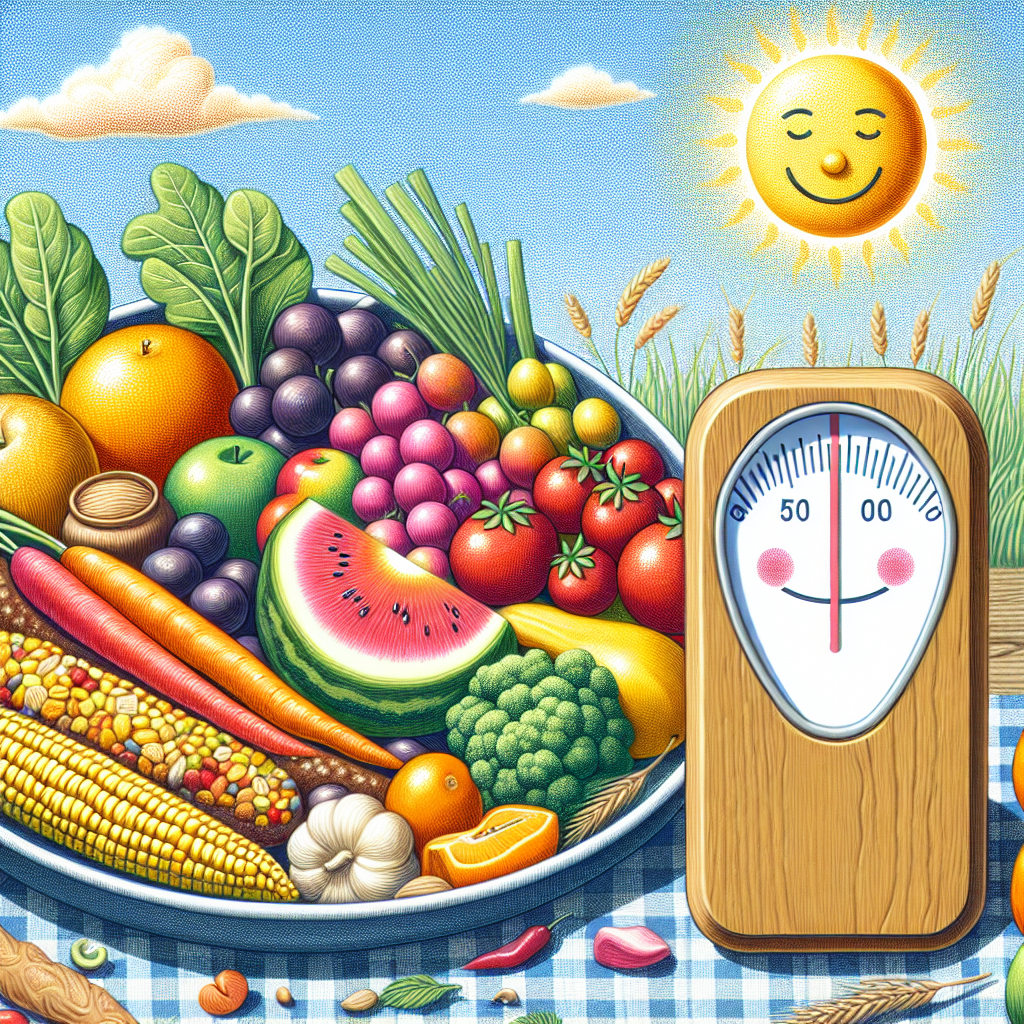
The Connection Between Food and Mood: How Nutrition Affects Happiness
Introduction
In recent years, the relationship between food and mood has gained significant attention. While it is well-known that a balanced diet is essential for physical health, emerging research indicates that what we eat also has a profound impact on our mental well-being. The intricate interplay between nutrition and mood is a fascinating subject that offers valuable insights into how we can enhance our happiness and overall quality of life.
The Science Behind Food and Mood
The Gut-Brain Axis
The gut-brain axis is a complex communication network that links the gastrointestinal tract and the brain. This bidirectional system involves various pathways, including neural, hormonal, and immunological mechanisms. The gut is often referred to as the “second brain” due to its extensive network of neurons and its ability to produce neurotransmitters such as serotonin and dopamine, which play a crucial role in regulating mood.
– Serotonin: Approximately 90 percent of the body’s serotonin, a neurotransmitter associated with feelings of well-being and happiness, is produced in the gut. A healthy gut microbiome is essential for the production and regulation of serotonin levels.
– Dopamine: This neurotransmitter is involved in reward and pleasure mechanisms. Certain foods can influence dopamine production, affecting our motivation and mood.
Nutritional Psychiatry
Nutritional psychiatry is an emerging field that explores the impact of diet on mental health. Researchers in this field investigate how specific nutrients and dietary patterns can influence mood disorders such as depression and anxiety. The findings suggest that a nutrient-rich diet can have a positive effect on mental well-being.
– Omega-3 Fatty Acids: Found in fatty fish, flaxseeds, and walnuts, omega-3 fatty acids are essential for brain health. They have been shown to reduce symptoms of depression and anxiety.
– B Vitamins: B vitamins, particularly B6, B12, and folate, play a crucial role in brain function and the synthesis of neurotransmitters. Deficiencies in these vitamins have been linked to mood disorders.
– Antioxidants: Foods rich in antioxidants, such as fruits and vegetables, help combat oxidative stress and inflammation, which are associated with depression and anxiety.
The Impact of Diet on Mental Health
The Mediterranean Diet
The Mediterranean diet, characterized by high consumption of fruits, vegetables, whole grains, legumes, nuts, seeds, and olive oil, has been extensively studied for its health benefits. Research indicates that this diet is associated with a lower risk of depression and improved mental well-being.
– Healthy Fats: The Mediterranean diet includes healthy fats from sources like olive oil and fatty fish, which support brain health and reduce inflammation.
– Rich in Antioxidants: The abundance of fruits and vegetables in the Mediterranean diet provides a high intake of antioxidants, which protect brain cells from damage.
– Balanced Macronutrients: This diet emphasizes a balanced intake of carbohydrates, proteins, and fats, promoting stable blood sugar levels and sustained energy.
The Western Diet
In contrast, the Western diet, characterized by high consumption of processed foods, sugary beverages, and unhealthy fats, has been linked to an increased risk of mood disorders. This diet’s negative impact on mental health can be attributed to several factors.
– Inflammation: Processed foods and sugary beverages contribute to chronic inflammation, which is associated with depression and anxiety.
– Nutrient Deficiencies: The Western diet often lacks essential nutrients such as vitamins, minerals, and fiber, which are crucial for brain function and mood regulation.
– Blood Sugar Spikes: High-sugar foods can lead to rapid spikes and crashes in blood sugar levels, resulting in mood swings and irritability.
The Role of Specific Nutrients in Mood Regulation
Tryptophan
Tryptophan is an essential amino acid that serves as a precursor to serotonin. Foods rich in tryptophan can boost serotonin production and enhance mood.
– Sources: Turkey, chicken, eggs, cheese, nuts, and seeds.
– Benefits: Increased serotonin levels can improve mood, reduce anxiety, and promote better sleep.
Magnesium
Magnesium is a mineral that plays a vital role in brain function and mood regulation. It is involved in over 300 biochemical reactions in the body, including the synthesis of neurotransmitters.
– Sources: Leafy green vegetables, nuts, seeds, whole grains, and legumes.
– Benefits: Adequate magnesium levels are associated with reduced symptoms of depression and anxiety.
Probiotics
Probiotics are beneficial bacteria that support gut health. A healthy gut microbiome is essential for the production of neurotransmitters and the regulation of inflammation.
– Sources: Yogurt, kefir, sauerkraut, kimchi, and other fermented foods.
– Benefits: Probiotics can improve gut health, enhance mood, and reduce symptoms of depression and anxiety.
The Psychological Impact of Eating Habits
Mindful Eating
Mindful eating is the practice of paying full attention to the experience of eating, without distraction. This approach encourages a deeper connection with food and promotes a healthier relationship with eating.
– Benefits: Mindful eating can reduce emotional eating, improve digestion, and enhance the enjoyment of food.
– Techniques: Focus on the taste, texture, and aroma of food. Eat slowly and savor each bite. Listen to your body’s hunger and fullness cues.
Emotional Eating
Emotional eating refers to the tendency to use food as a way to cope with emotions such as stress, boredom, or sadness. While it may provide temporary comfort, emotional eating can lead to unhealthy eating patterns and weight gain.
– Triggers: Identify the emotions or situations that trigger emotional eating. Common triggers include stress, loneliness, and fatigue.
– Strategies: Find alternative ways to cope with emotions, such as exercise, meditation, or talking to a friend. Keep a food diary to track eating habits and emotions.
Practical Tips for a Mood-Boosting Diet
Incorporate Whole Foods
Focus on whole, unprocessed foods that are rich in nutrients. These foods provide the essential vitamins, minerals, and antioxidants needed for optimal brain function.
– Examples: Fresh fruits and vegetables, whole grains, lean proteins, nuts, and seeds.
Stay Hydrated
Dehydration can affect mood and cognitive function. Ensure you drink enough water throughout the day to stay hydrated.
– Tips: Carry a water bottle with you, set reminders to drink water, and consume water-rich foods like fruits and vegetables.
Limit Sugar and Processed Foods
Reduce the intake of sugary and processed foods that can lead to blood sugar spikes and crashes, contributing to mood swings and irritability.
– Alternatives: Choose natural sweeteners like honey or maple syrup, and opt for whole foods over processed snacks.
Include Omega-3 Fatty Acids
Incorporate sources of omega-3 fatty acids into your diet to support brain health and reduce inflammation.
– Sources: Fatty fish, flaxseeds, chia seeds, and walnuts.
Eat Regular Meals
Skipping meals can lead to low blood sugar levels and mood swings. Aim to eat regular, balanced meals to maintain stable energy levels.
– Tips: Plan your meals ahead of time, include a mix of macronutrients, and avoid long gaps between meals.
Conclusion
The connection between food and mood is a compelling area of study that underscores the importance of nutrition for mental well-being. By understanding the impact of diet on mood regulation, we can make informed choices that enhance our happiness and overall quality of life. Incorporating nutrient-rich foods, practicing mindful eating, and adopting a balanced diet can significantly improve mental health and promote a positive outlook. As research in nutritional psychiatry continues to evolve, it is clear that what we eat profoundly influences how we feel, highlighting the power of food as a tool for achieving optimal mental wellness.
