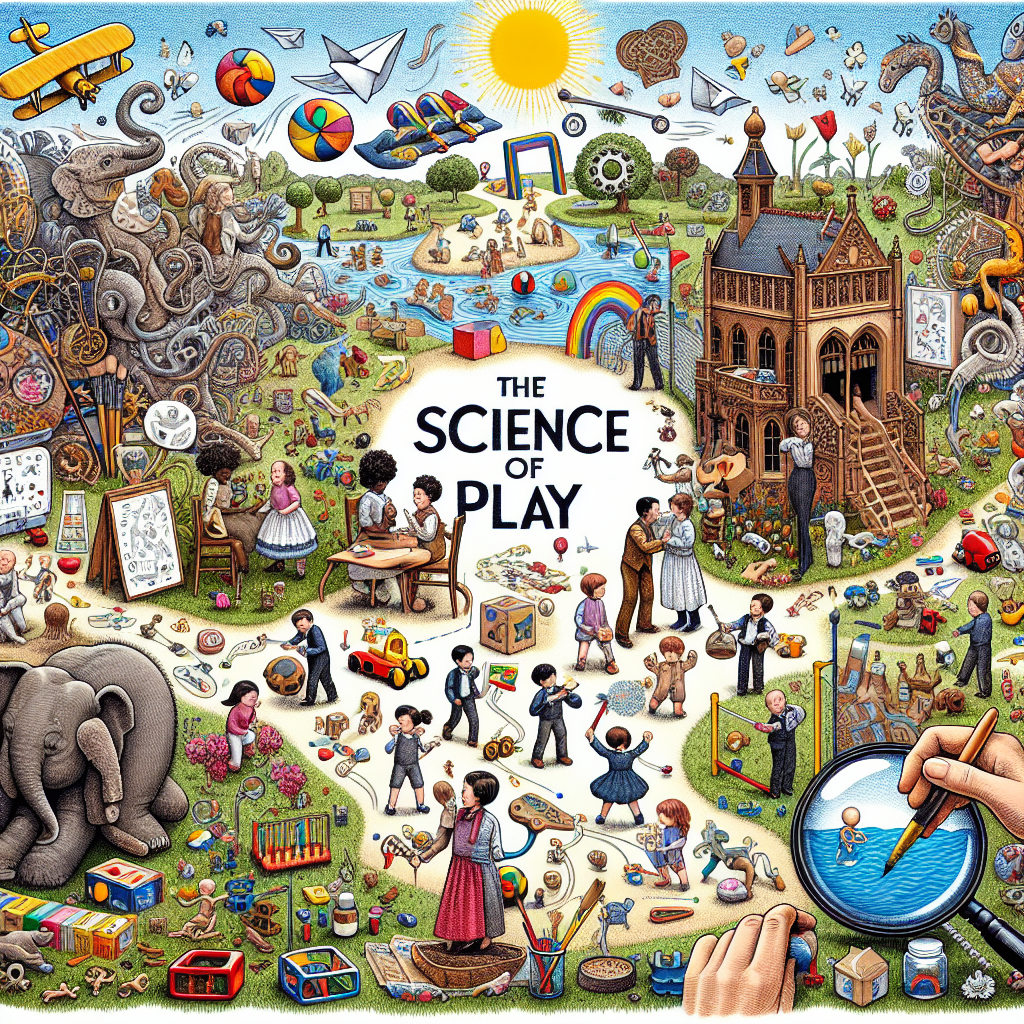
The Science of Play: Enhancing Creativity and Happiness
Introduction
In the modern world, where productivity and efficiency often take precedence, the concept of play is frequently relegated to the realm of childhood. However, recent studies in psychology and neuroscience are shedding light on the profound impact that play can have on creativity and happiness for individuals of all ages. This article explores the science behind play, its benefits, and how it can be integrated into daily life to enhance both creativity and happiness.
The Nature of Play
Defining Play
Play is an activity that is intrinsically motivated, freely chosen, and personally directed. It is an essential component of human development, allowing individuals to explore, experiment, and engage with the world around them. Play is not limited to any specific activity; it can range from physical games and sports to imaginative role-playing and artistic expression.
Characteristics of Play
– Voluntary: Play is an activity that individuals choose to engage in without external pressure.
– Enjoyable: The primary purpose of play is to provide enjoyment and satisfaction.
– Flexible: Play is adaptable, allowing for creativity and spontaneity.
– Non-literal: Play often involves elements of make-believe or fantasy.
– Process-oriented: The focus of play is on the experience rather than the outcome.
The Science of Play
Neurological Impact
Research has shown that play activates several regions of the brain, including the prefrontal cortex, which is responsible for decision-making, problem-solving, and planning. Engaging in play stimulates the release of neurotransmitters such as dopamine, which is associated with pleasure and reward. This neurological activity enhances cognitive flexibility, allowing individuals to think creatively and adapt to new situations.
Psychological Benefits
Play has been linked to various psychological benefits, including reduced stress and anxiety, improved mood, and increased resilience. By providing an outlet for self-expression and exploration, play enables individuals to process emotions and develop coping mechanisms. Furthermore, play fosters social connections, promoting empathy and cooperation.
The Role of Play in Enhancing Creativity
Stimulating Imagination
Play encourages imaginative thinking by allowing individuals to explore new ideas and scenarios without fear of judgment or failure. This freedom to experiment fosters divergent thinking, a key component of creativity. Through play, individuals can generate novel solutions to problems and develop innovative approaches to challenges.
Encouraging Risk-Taking
Play creates a safe environment for taking risks and testing boundaries. This willingness to take risks is crucial for creative endeavors, as it allows individuals to push beyond conventional limits and explore uncharted territories. By embracing failure as a natural part of the play process, individuals learn to view setbacks as opportunities for growth and discovery.
Fostering Collaboration
Collaborative play encourages teamwork and communication, essential skills for creative problem-solving. When individuals engage in group play, they learn to appreciate diverse perspectives and combine their strengths to achieve common goals. This collaborative spirit enhances creativity by fostering a culture of open exchange and mutual support.
The Connection Between Play and Happiness
Enhancing Well-being
Play is inherently linked to happiness, as it promotes positive emotions and a sense of fulfillment. By engaging in activities that bring joy and satisfaction, individuals can experience a boost in overall well-being. Play also serves as a powerful stress reliever, helping individuals to unwind and recharge.
Building Resilience
Engaging in play helps individuals develop resilience by teaching them to adapt to changing circumstances and overcome challenges. Through play, individuals learn to cope with adversity and develop a positive outlook on life. This resilience is a key component of happiness, as it enables individuals to navigate life’s ups and downs with confidence and grace.
Strengthening Social Bonds
Play provides opportunities for social interaction and connection, which are vital for happiness. Through play, individuals can build and maintain meaningful relationships, fostering a sense of belonging and community. These social bonds contribute to a greater sense of happiness and life satisfaction.
Integrating Play into Daily Life
Creating Opportunities for Play
To harness the benefits of play, it is essential to create opportunities for play in daily life. This can be achieved by:
– Setting aside time for play: Designate specific times for play, whether it be a weekly game night or a daily creative activity.
– Encouraging spontaneity: Allow for unstructured playtime, where individuals can explore and experiment without a set agenda.
– Incorporating play into work: Introduce playful elements into the workplace, such as brainstorming sessions or team-building activities.
Choosing Playful Activities
Selecting activities that align with personal interests and preferences is crucial for maximizing the benefits of play. Consider the following options:
– Physical play: Engage in sports, dance, or outdoor activities that promote movement and physical well-being.
– Creative play: Explore artistic pursuits such as painting, writing, or music to stimulate creativity.
– Social play: Participate in group activities or games that encourage interaction and collaboration.
Overcoming Barriers to Play
Despite the numerous benefits of play, many individuals face barriers that prevent them from engaging in play. These barriers can include:
– Time constraints: Busy schedules can make it difficult to find time for play. Prioritizing play as an essential component of well-being can help overcome this barrier.
– Societal norms: The perception that play is frivolous or childish can discourage individuals from engaging in play. Recognizing the value of play for adults can help shift this mindset.
– Lack of resources: Limited access to play spaces or materials can hinder play opportunities. Finding creative solutions, such as using everyday objects for play, can help address this challenge.
Conclusion
The science of play reveals its profound impact on creativity and happiness, offering valuable insights into how individuals can enhance their well-being through play. By understanding the neurological and psychological benefits of play, individuals can harness its power to stimulate imagination, encourage risk-taking, and foster collaboration. Moreover, play serves as a vital component of happiness, promoting well-being, building resilience, and strengthening social bonds. By integrating play into daily life and overcoming barriers, individuals can unlock the transformative potential of play, leading to a more creative and fulfilling existence. As society continues to evolve, recognizing the importance of play for individuals of all ages is essential for fostering a culture of creativity and happiness.
