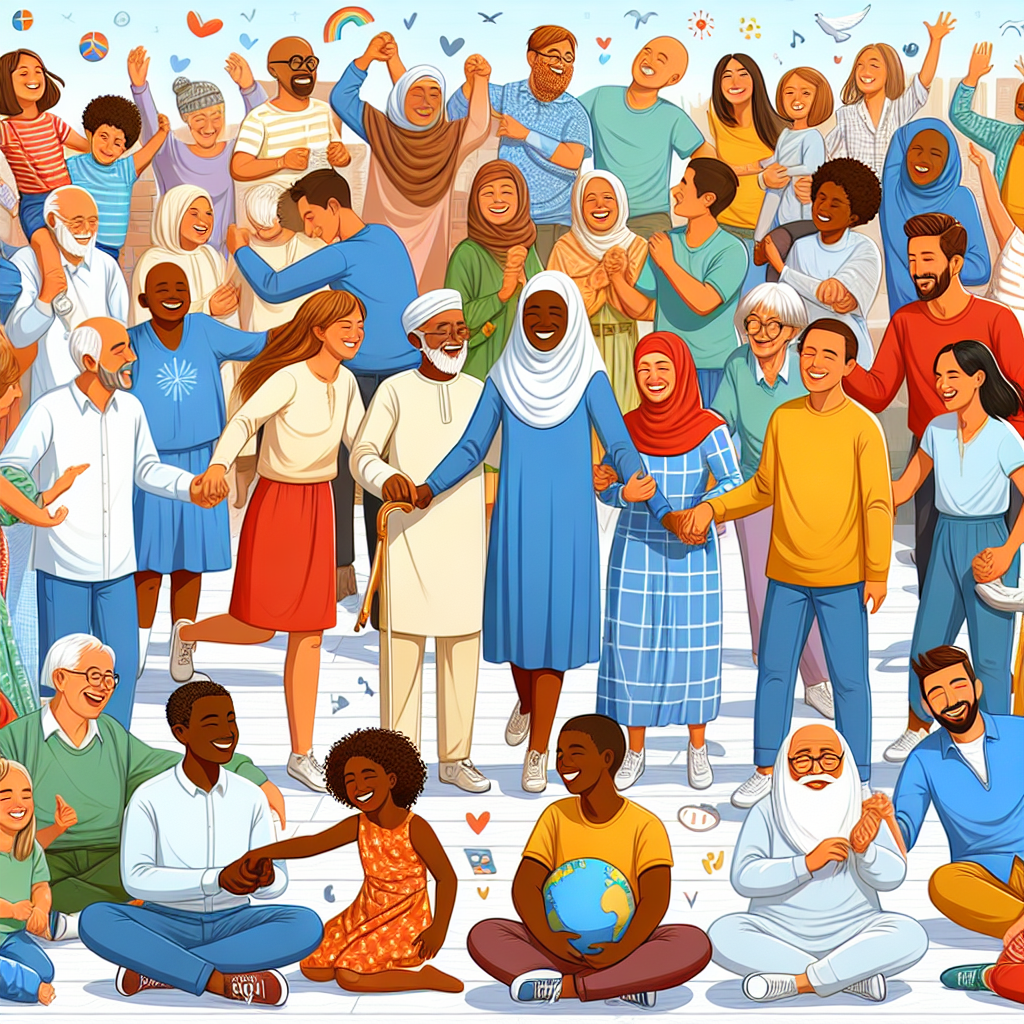
The Role of Diversity and Inclusion in Fostering Happiness
Introduction
In today’s interconnected world, the concepts of diversity and inclusion have transcended mere buzzwords to become essential components of organizational and societal success. As businesses and communities strive to create environments that are welcoming and equitable, the impact of diversity and inclusion on individual and collective happiness has become increasingly apparent. This article explores the intricate relationship between diversity, inclusion, and happiness, highlighting the numerous benefits and challenges associated with fostering a diverse and inclusive environment.
Understanding Diversity and Inclusion
Diversity refers to the presence of differences within a given setting, encompassing a wide range of characteristics such as race, ethnicity, gender, age, sexual orientation, disability, and socioeconomic status. Inclusion, on the other hand, involves creating an environment where all individuals feel valued, respected, and supported, enabling them to fully participate and contribute.
The Importance of Diversity
Diversity is a critical factor in driving innovation, creativity, and problem-solving. By bringing together individuals with varied perspectives and experiences, organizations can benefit from a broader range of ideas and solutions. This diversity of thought can lead to improved decision-making processes and enhance overall performance.
– **Enhanced Creativity and Innovation**
– Diverse teams are more likely to generate novel ideas and solutions.
– Exposure to different perspectives encourages out-of-the-box thinking.
– **Improved Problem-Solving**
– Diverse groups can identify and address challenges more effectively.
– Varied experiences contribute to a more comprehensive understanding of issues.
The Significance of Inclusion
While diversity is crucial, it is only the first step. Inclusion ensures that diverse individuals are not only present but also actively engaged and valued. An inclusive environment fosters a sense of belonging, which is essential for individual well-being and happiness.
– **Sense of Belonging**
– Inclusion creates a supportive atmosphere where individuals feel connected.
– A sense of belonging enhances self-esteem and mental health.
– **Increased Engagement and Productivity**
– Inclusive workplaces lead to higher levels of employee engagement.
– Engaged employees are more productive and committed to their roles.
The Connection Between Diversity, Inclusion, and Happiness
The link between diversity, inclusion, and happiness is multifaceted. Research has shown that environments that embrace diversity and promote inclusion tend to have higher levels of happiness and satisfaction among their members. This relationship is driven by several key factors.
Psychological Safety
Psychological safety is the belief that one can express themselves without fear of negative consequences. In diverse and inclusive settings, individuals are more likely to experience psychological safety, which is crucial for happiness.
– **Open Communication**
– Inclusive environments encourage open and honest communication.
– Individuals feel comfortable sharing their thoughts and ideas.
– **Reduced Stress and Anxiety**
– A sense of safety reduces stress and anxiety levels.
– Employees are less likely to experience burnout in supportive environments.
Positive Social Interactions
Diversity and inclusion foster positive social interactions, which are fundamental to human happiness. When individuals from different backgrounds come together, they have the opportunity to learn from one another and build meaningful relationships.
– **Cultural Exchange**
– Diverse settings promote cultural exchange and understanding.
– Exposure to different cultures enriches personal experiences.
– **Stronger Social Networks**
– Inclusive environments facilitate the formation of strong social bonds.
– Supportive relationships contribute to overall well-being.
Challenges in Achieving Diversity and Inclusion
Despite the clear benefits, achieving diversity and inclusion is not without its challenges. Organizations and communities must navigate various obstacles to create truly inclusive environments.
Unconscious Bias
Unconscious bias refers to the automatic judgments and stereotypes that individuals hold, often without realizing it. These biases can hinder diversity and inclusion efforts by perpetuating inequities and exclusion.
– **Awareness and Education**
– Training programs can help individuals recognize and address biases.
– Continuous education is necessary to promote long-term change.
– **Inclusive Policies and Practices**
– Organizations must implement policies that support diversity and inclusion.
– Regular assessments can identify areas for improvement.
Resistance to Change
Change can be difficult, and resistance is a common barrier to diversity and inclusion initiatives. Overcoming this resistance requires strong leadership and a commitment to creating an inclusive culture.
– **Leadership Commitment**
– Leaders must champion diversity and inclusion efforts.
– A clear vision and strategy are essential for driving change.
– **Engagement and Involvement**
– Involving all stakeholders in the process fosters buy-in and support.
– Open dialogue encourages collaboration and shared ownership.
Best Practices for Fostering Diversity and Inclusion
To successfully foster diversity and inclusion, organizations and communities can adopt several best practices. These strategies can help create environments that promote happiness and well-being for all members.
Comprehensive Diversity and Inclusion Training
Implementing comprehensive training programs is essential for raising awareness and building skills related to diversity and inclusion. These programs should be ongoing and tailored to the specific needs of the organization or community.
– **Interactive Workshops**
– Workshops should encourage active participation and discussion.
– Real-life scenarios can help individuals apply concepts in practice.
– **Continuous Learning Opportunities**
– Providing resources for ongoing learning supports long-term development.
– Encouraging self-reflection can deepen understanding and empathy.
Inclusive Leadership Development
Developing inclusive leaders is crucial for driving diversity and inclusion efforts. Leaders set the tone for the organization and play a vital role in fostering an inclusive culture.
– **Mentorship and Sponsorship Programs**
– Programs that connect diverse talent with leaders can promote growth.
– Sponsorship initiatives can help underrepresented individuals advance.
– **Accountability and Metrics**
– Leaders should be held accountable for diversity and inclusion goals.
– Regular reporting and metrics can track progress and identify areas for improvement.
Creating Inclusive Policies and Practices
Organizations must establish policies and practices that support diversity and inclusion at all levels. These policies should be regularly reviewed and updated to reflect changing needs and priorities.
– **Flexible Work Arrangements**
– Offering flexible work options can accommodate diverse needs.
– Remote work and flexible hours promote work-life balance.
– **Diverse Recruitment and Hiring Practices**
– Implementing unbiased recruitment processes can attract diverse talent.
– Diverse interview panels can reduce bias and enhance decision-making.
Conclusion
The role of diversity and inclusion in fostering happiness is undeniable. By creating environments where individuals feel valued, respected, and supported, organizations and communities can enhance well-being and satisfaction for all members. While challenges exist, the benefits of embracing diversity and inclusion far outweigh the obstacles. By adopting best practices and committing to continuous improvement, we can build a more inclusive and happier world for everyone.
