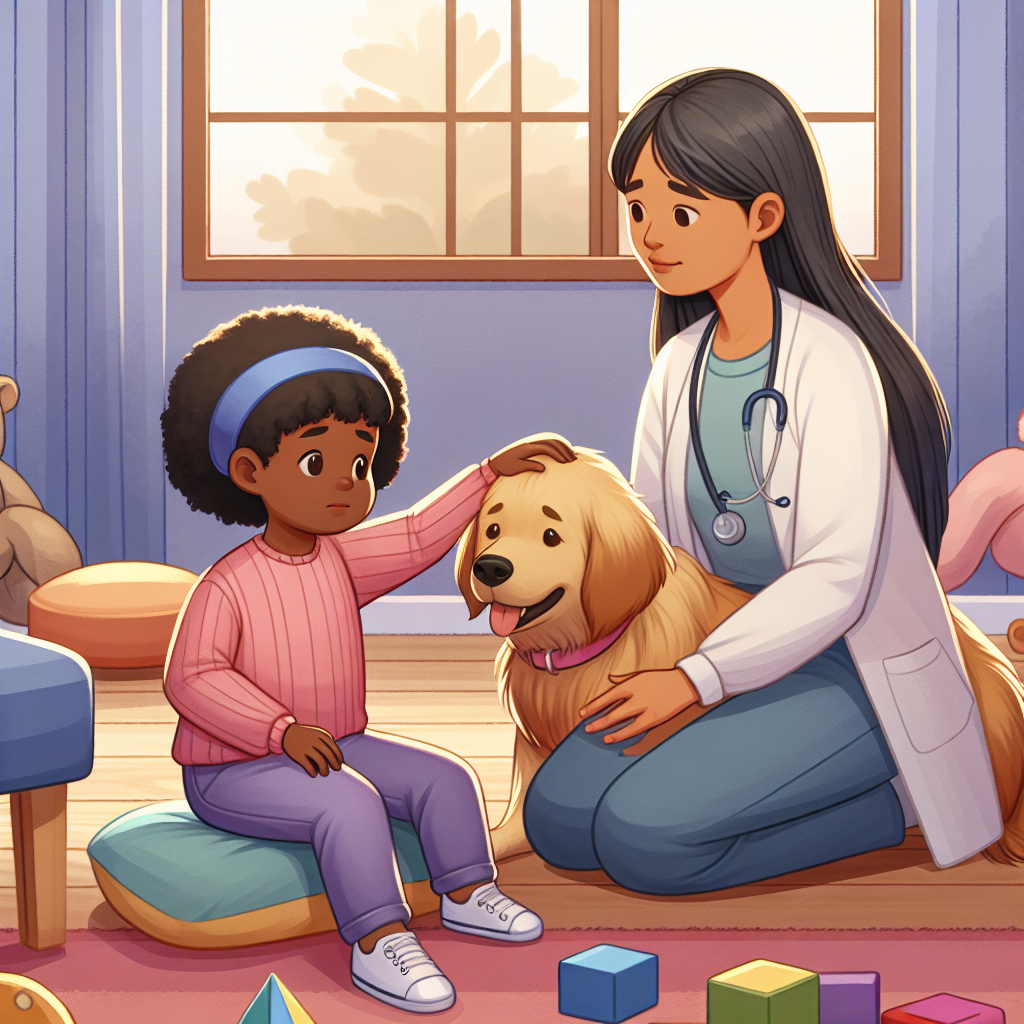
The Role of Animal-Assisted Play Therapy in Treating Childhood Trauma
Introduction
Childhood trauma is a pervasive issue that can have long-lasting effects on a child’s mental, emotional, and physical well-being. Traditional therapeutic approaches often focus on talk therapy, cognitive-behavioral techniques, and medication to address these challenges. However, an innovative and increasingly popular approach is gaining traction in the field of mental health: Animal-Assisted Play Therapy (AAPT). This therapeutic modality combines the benefits of play therapy with the healing presence of animals, creating a unique environment where children can express themselves, build trust, and work through their traumatic experiences. This article explores the role of Animal-Assisted Play Therapy in treating childhood trauma, examining its benefits, methodologies, and the profound impact it can have on young lives.
Understanding Childhood Trauma
Childhood trauma can arise from a variety of experiences, including abuse, neglect, loss of a loved one, or exposure to violence. The effects of trauma can manifest in numerous ways, such as anxiety, depression, behavioral issues, and difficulties in forming healthy relationships. Traditional therapeutic methods may not always provide the comfort and safety that children need to open up about their experiences. This is where Animal-Assisted Play Therapy can play a transformative role.
The Concept of Animal-Assisted Play Therapy
Animal-Assisted Play Therapy is a therapeutic approach that incorporates animals into the play therapy process. It is built on the principles of play therapy, which emphasizes the importance of play as a natural medium for children to communicate and process their emotions. By integrating animals into this environment, therapists can create a more engaging and supportive atmosphere for children.
The Role of Animals in Therapy
Animals have been used in therapeutic settings for centuries, with numerous studies highlighting their positive effects on mental health. The presence of animals can:
– Reduce anxiety and stress
– Improve mood and emotional regulation
– Enhance social skills and empathy
– Foster trust and a sense of safety
In Animal-Assisted Play Therapy, animals serve as non-judgmental companions who can help children feel more at ease, enabling them to express themselves more freely.
The Benefits of Animal-Assisted Play Therapy
Animal-Assisted Play Therapy offers a range of benefits that can significantly aid in the treatment of childhood trauma. These benefits include:
Emotional Expression and Regulation
Children who have experienced trauma often struggle to articulate their feelings. Animals can provide a safe outlet for emotional expression. Through interactions with animals, children can explore their emotions, learn to identify and name them, and develop healthier ways to cope with their feelings.
Building Trust and Rapport
Trust is a critical component of any therapeutic relationship. Many children who have experienced trauma may find it difficult to trust adults. Animals, however, can serve as a bridge in building this trust. Their unconditional acceptance and non-verbal communication can help children feel more comfortable and open to forming connections with their therapist.
Enhancing Social Skills
Trauma can impact a child’s ability to interact with others. Animal-Assisted Play Therapy provides opportunities for children to practice social skills in a non-threatening environment. Interacting with animals can teach children about empathy, responsibility, and cooperation, which can translate to improved interactions with peers and adults.
Reducing Anxiety and Stress
The presence of animals has been shown to reduce anxiety and stress levels. In a therapeutic setting, this can be particularly beneficial for children who may feel overwhelmed by their emotions. The calming influence of animals can help create a more relaxed atmosphere, allowing children to engage more fully in the therapeutic process.
Methodologies in Animal-Assisted Play Therapy
Animal-Assisted Play Therapy can be implemented using various methodologies, each tailored to the needs of the individual child. Some common approaches include:
Directive Play Therapy
In directive play therapy, the therapist guides the child through specific activities or exercises involving the animal. This approach can be useful for children who need more structure or guidance in their therapeutic process. Activities might include teaching the animal simple tricks, which can help build the child’s confidence and sense of accomplishment.
Non-Directive Play Therapy
Non-directive play therapy allows the child to take the lead in their interactions with the animal. This approach encourages self-expression and autonomy, as the child decides how to engage with the animal. The therapist observes and supports the child’s play, providing insights and reflections as needed.
Storytelling and Role-Playing
Storytelling and role-playing can be powerful tools in Animal-Assisted Play Therapy. Children can create stories or scenarios involving the animal, which can help them process their experiences and explore different perspectives. This creative process can facilitate healing and provide a sense of control over their narrative.
Considerations and Challenges
While Animal-Assisted Play Therapy offers numerous benefits, there are also important considerations and challenges to address:
Animal Welfare
The well-being of the animal is paramount in any therapeutic setting. Animals must be well-trained, healthy, and comfortable in their role as therapy partners. Ethical considerations include ensuring the animal’s needs are met and that they are not subjected to undue stress or harm.
Allergies and Phobias
Some children may have allergies or phobias related to certain animals. It is crucial for therapists to assess these factors before incorporating animals into therapy. Alternatives or accommodations should be made to ensure the child’s comfort and safety.
Matching the Right Animal
Not all animals are suitable for therapy work. The temperament, size, and behavior of the animal should align with the needs and preferences of the child. Common therapy animals include dogs, cats, rabbits, and even horses, each offering unique benefits to the therapeutic process.
Training and Certification
Therapists who wish to incorporate animals into their practice must undergo specialized training and certification. This ensures that they have the skills and knowledge to effectively integrate animals into therapy while maintaining ethical and professional standards.
Conclusion
Animal-Assisted Play Therapy represents a promising and innovative approach to treating childhood trauma. By combining the therapeutic power of play with the healing presence of animals, this modality offers a unique and effective way to support children on their journey to recovery. The benefits of AAPT, including enhanced emotional expression, trust-building, and stress reduction, make it a valuable addition to the repertoire of therapeutic interventions for childhood trauma. As the field continues to evolve, further research and practice will undoubtedly shed light on the full potential of Animal-Assisted Play Therapy in transforming the lives of children who have experienced trauma.
