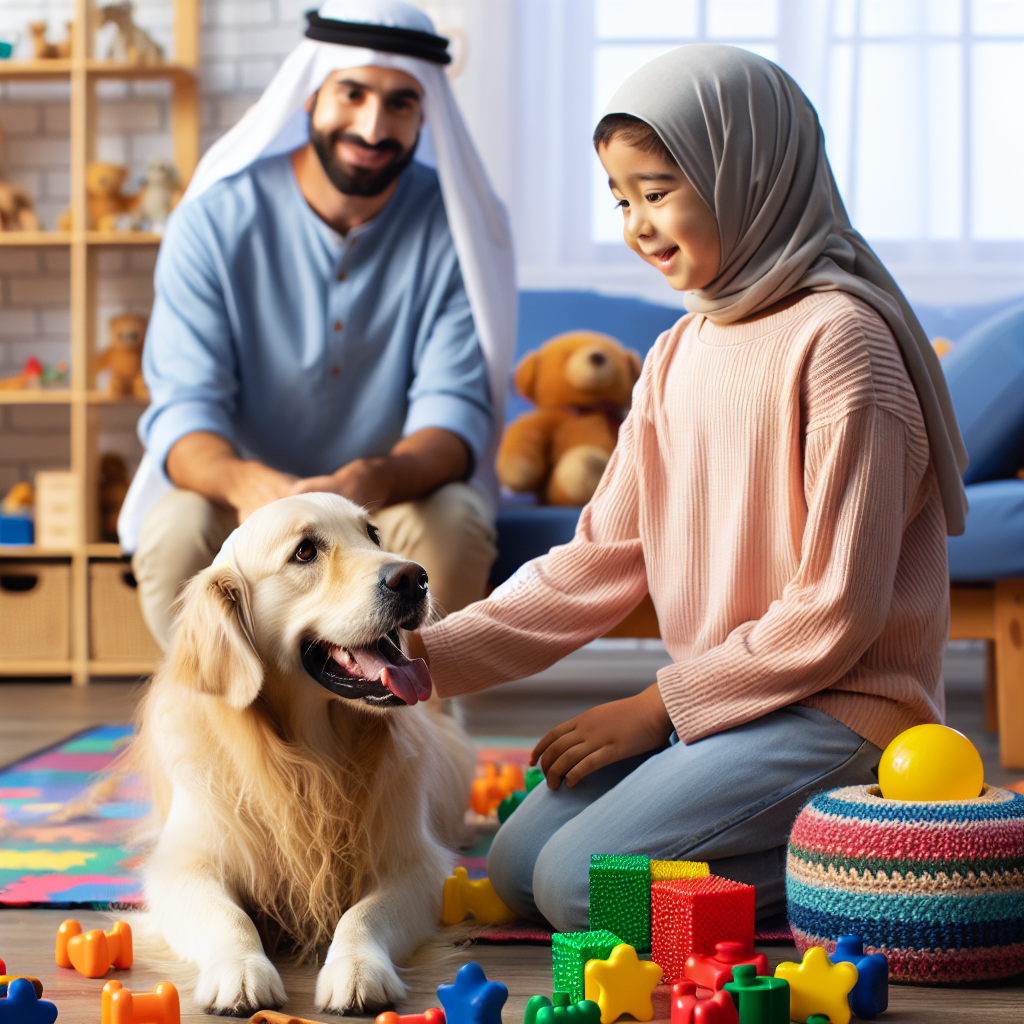
The Role of Animal-Assisted Play Therapy in Child Development
Introduction
In recent years, the field of child development has witnessed a growing interest in alternative therapeutic approaches that go beyond traditional methods. Among these innovative strategies, Animal-Assisted Play Therapy (AAPT) has emerged as a promising technique. This approach combines the principles of play therapy with the therapeutic benefits of human-animal interaction, offering a unique and effective way to support children’s emotional, social, and cognitive development. This article delves into the intricacies of AAPT, exploring its benefits, methodologies, and potential challenges.
Understanding Animal-Assisted Play Therapy
Animal-Assisted Play Therapy is a structured, goal-oriented intervention that incorporates animals into the therapeutic process. It is grounded in the belief that interactions with animals can foster a sense of safety and emotional connection, which are crucial for effective therapy. AAPT is typically facilitated by licensed mental health professionals who have specialized training in both play therapy and animal-assisted interventions.
The Role of Play in Child Development
Play is a fundamental aspect of childhood, serving as a primary mechanism through which children explore their environment, develop social skills, and express emotions. It is a natural and enjoyable activity that supports cognitive growth, creativity, and problem-solving abilities. In therapeutic settings, play becomes a medium through which children can communicate their thoughts and feelings in a non-threatening manner.
The Therapeutic Benefits of Animals
Animals have been recognized for their therapeutic potential across various domains of health care. Their presence can reduce stress, lower blood pressure, and promote feelings of well-being. For children, animals often serve as non-judgmental companions, providing unconditional acceptance and comfort. This unique bond can help children feel more relaxed and open during therapy sessions.
How Animal-Assisted Play Therapy Works
In AAPT, therapists use carefully selected and trained animals to facilitate play-based interventions. These animals, often dogs or horses, are chosen for their temperament and ability to interact safely with children. The therapy sessions are designed to achieve specific therapeutic goals, such as improving social skills, enhancing emotional regulation, or building self-esteem.
Key Components of AAPT
1. **Therapeutic Alliance**: The presence of an animal can strengthen the therapeutic alliance between the child and therapist, creating a more engaging and supportive environment.
2. **Emotional Expression**: Animals can help children express emotions that they may find difficult to articulate. For example, a child might project their feelings onto the animal, allowing the therapist to gain insights into the child’s emotional state.
3. **Social Skills Development**: Interacting with animals can improve children’s social skills, such as empathy, cooperation, and communication. These interactions often require children to read non-verbal cues and respond appropriately, skills that are transferable to human relationships.
4. **Stress Reduction**: The calming presence of an animal can help reduce anxiety and stress, making it easier for children to engage in therapeutic activities.
5. **Motivation and Engagement**: The novelty and enjoyment of working with animals can increase children’s motivation to participate in therapy, leading to more effective outcomes.
Applications of Animal-Assisted Play Therapy
AAPT can be applied to a wide range of developmental and psychological issues. It is particularly beneficial for children who have experienced trauma, those with autism spectrum disorders, and those facing emotional or behavioral challenges.
1. **Trauma and Abuse**: For children who have experienced trauma or abuse, AAPT provides a safe space to process their experiences. The presence of an animal can serve as a source of comfort and stability, helping children to feel secure as they work through difficult emotions.
2. **Autism Spectrum Disorders**: Children with autism often face challenges in social communication and interaction. AAPT can help these children develop social skills in a non-threatening environment, as animals can serve as social facilitators that encourage interaction and engagement.
3. **Emotional and Behavioral Issues**: For children struggling with emotional regulation or behavioral issues, AAPT can offer a supportive setting to explore and practice new coping strategies. The playful nature of the therapy can make it easier for children to engage in self-reflection and behavioral change.
Challenges and Considerations
While AAPT offers numerous benefits, it also presents certain challenges that must be carefully managed.
1. **Animal Welfare**: Ensuring the well-being of the therapy animals is paramount. Animals must be properly trained, cared for, and monitored to prevent stress or harm.
2. **Allergies and Phobias**: Some children may have allergies to animal dander or phobias related to certain animals. Therapists must assess each child’s suitability for AAPT and make accommodations as necessary.
3. **Professional Training**: Facilitating AAPT requires specialized training in both play therapy and animal-assisted interventions. Therapists must be skilled in managing the dynamics of human-animal interaction and ensuring the safety of all participants.
4. **Ethical Considerations**: Therapists must adhere to ethical guidelines that prioritize the safety and well-being of both the child and the animal. This includes obtaining informed consent from parents or guardians and ensuring that the therapy is conducted in a safe and controlled environment.
The Future of Animal-Assisted Play Therapy
As research into AAPT continues to grow, the field is likely to expand and evolve. Future studies may explore the long-term effects of AAPT on child development, as well as its potential applications in diverse cultural and clinical contexts. Additionally, advancements in technology and animal training techniques may enhance the effectiveness and accessibility of AAPT for children worldwide.
Conclusion
Animal-Assisted Play Therapy represents a promising and innovative approach to supporting child development. By harnessing the therapeutic potential of animals and the natural benefits of play, AAPT offers a unique and engaging way to address a wide range of developmental and psychological challenges. As the field continues to evolve, AAPT holds the potential to make a significant impact on the lives of children, fostering resilience, emotional well-being, and social competence. Through ongoing research and professional training, this therapeutic approach can continue to provide meaningful support to children and their families.
