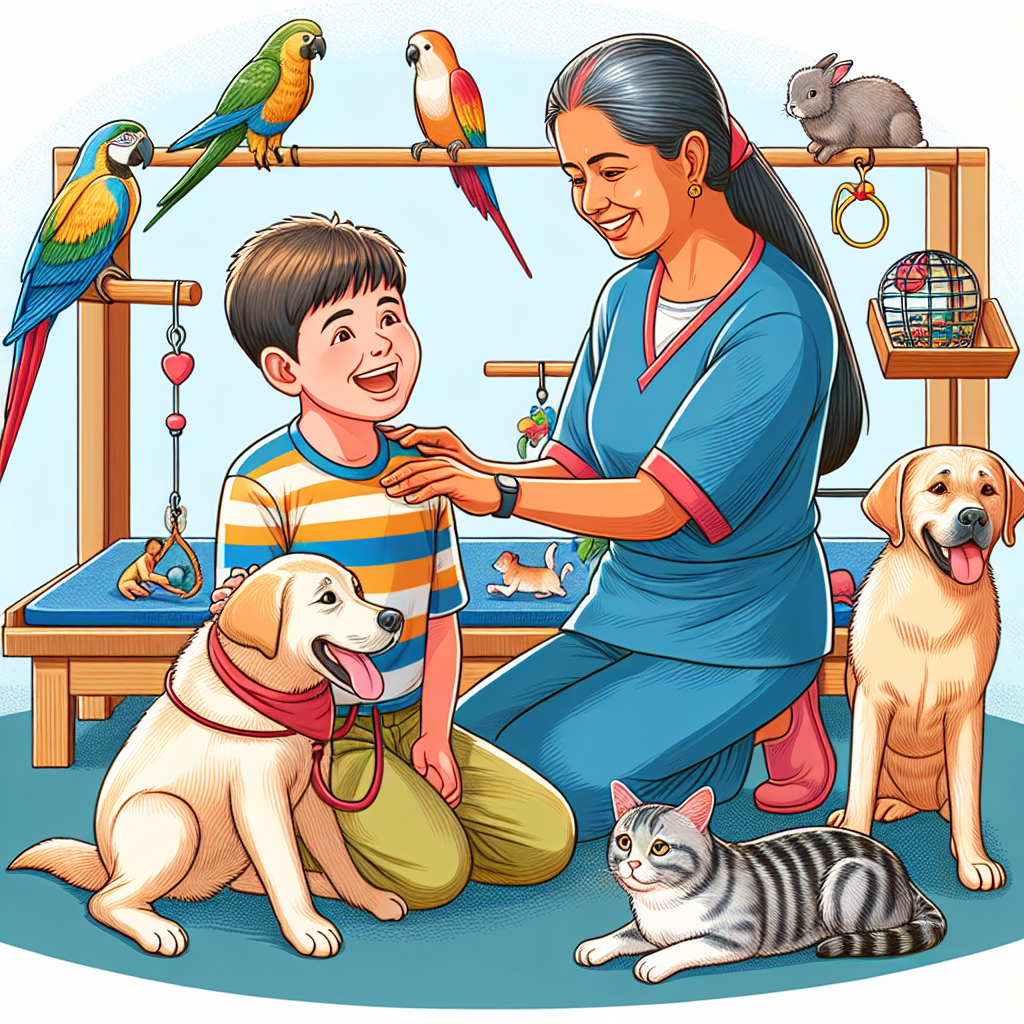
**The Role of Animal-Assisted Learning in Special Education and Rehabilitation**
Animal-assisted learning (AAL) has emerged as a transformative approach within the realms of special education and rehabilitation. By integrating animals into educational and therapeutic settings, AAL facilitates unique interactions that can enhance learning experiences and promote emotional and physical well-being. This article explores the multifaceted role of AAL, examining its benefits, implementation strategies, and the potential challenges it faces in these specialized fields.
**Understanding Animal-Assisted Learning**
Animal-assisted learning involves the use of animals as a part of the educational process to achieve specific learning goals. Unlike traditional methods, AAL leverages the natural bond between humans and animals to create a dynamic and engaging learning environment. This approach is particularly beneficial for individuals with special needs, offering them alternative ways to engage with the world and achieve personal growth.
**Benefits of Animal-Assisted Learning**
The integration of animals in educational and therapeutic settings offers numerous advantages, particularly for individuals in special education and rehabilitation programs. Some of the key benefits include:
– **Enhanced Emotional Well-being**: Animals provide unconditional acceptance and companionship, which can reduce feelings of loneliness and anxiety. This emotional support is especially valuable for individuals with autism or other emotional and behavioral disorders.
– **Improved Social Skills**: Interacting with animals encourages communication and social interaction. For children with special needs, this can lead to improved verbal and non-verbal communication skills, as well as enhanced empathy and cooperation.
– **Increased Motivation and Engagement**: Animals can capture attention and interest, making learning more enjoyable and engaging. This increased motivation can lead to better participation and improved learning outcomes.
– **Physical Therapy Benefits**: In rehabilitation settings, animals can assist in physical therapy by encouraging movement and exercise. Activities like walking a dog or grooming a horse can improve motor skills and coordination.
– **Stress Reduction**: The presence of animals has been shown to lower stress levels and promote relaxation. This can create a more conducive learning environment, particularly for individuals who may experience heightened anxiety in traditional settings.
**Implementing Animal-Assisted Learning in Special Education**
Implementing AAL in special education requires careful planning and consideration to ensure that it meets the needs of students and aligns with educational goals. Here are some strategies for successful implementation:
– **Selecting Appropriate Animals**: Not all animals are suitable for AAL. It is essential to choose animals that are well-trained, calm, and friendly. Dogs, horses, and small animals like rabbits and guinea pigs are commonly used due to their temperament and ability to interact safely with humans.
– **Creating Structured Programs**: AAL programs should be structured with clear objectives and outcomes. Educators and therapists need to work collaboratively to design activities that align with individual learning goals and therapeutic needs.
– **Training and Certification**: Handlers and educators involved in AAL should undergo proper training and certification. This ensures that they can effectively manage the animals and facilitate meaningful interactions with participants.
– **Monitoring and Evaluation**: Regular monitoring and evaluation of AAL programs are crucial to assess their effectiveness. Feedback from participants, educators, and therapists can provide valuable insights into the program’s impact and areas for improvement.
**Animal-Assisted Learning in Rehabilitation**
In rehabilitation settings, AAL can play a pivotal role in supporting recovery and improving quality of life. The therapeutic potential of animals is harnessed in various ways, including:
– **Physical Rehabilitation**: Animals can motivate individuals to participate in physical activities that promote healing and recovery. For instance, equine-assisted therapy is widely used to improve balance, strength, and coordination in individuals with physical disabilities.
– **Cognitive Rehabilitation**: AAL can aid in cognitive rehabilitation by providing stimulating environments that encourage problem-solving and critical thinking. Interacting with animals can help improve memory, attention, and executive functioning.
– **Emotional and Psychological Support**: Animals offer companionship and emotional support, which can be particularly beneficial for individuals coping with trauma, depression, or anxiety. The presence of animals can create a calming environment that facilitates emotional healing.
– **Social Reintegration**: For individuals recovering from addiction or mental health issues, AAL can support social reintegration by fostering trust and communication skills. Interactions with animals can help build confidence and reduce social isolation.
**Challenges and Considerations**
While AAL presents numerous benefits, there are challenges and considerations that must be addressed to ensure its successful implementation:
– **Allergies and Phobias**: Some individuals may have allergies to animals or phobias that make interaction difficult. It is important to identify these issues beforehand and make accommodations as needed.
– **Ethical Considerations**: The welfare of the animals involved in AAL must be a priority. Ensuring that animals are treated with respect and care is essential to maintaining ethical standards.
– **Resource and Funding Limitations**: Implementing AAL programs can require significant resources and funding. Schools and rehabilitation centers may face challenges in securing the necessary support and infrastructure.
– **Cultural Sensitivity**: Cultural perceptions of animals can vary widely. It is important to consider cultural attitudes and beliefs when designing and implementing AAL programs.
**Conclusion**
Animal-assisted learning offers a unique and effective approach to enhancing education and rehabilitation for individuals with special needs. By fostering emotional connections and providing motivational support, animals can create enriching learning experiences that promote personal growth and well-being. While challenges exist, the potential benefits of AAL make it a valuable tool in special education and rehabilitation. As research continues to explore the impact of AAL, it is likely that its application will expand, offering new opportunities for individuals to thrive in supportive and inclusive environments.
