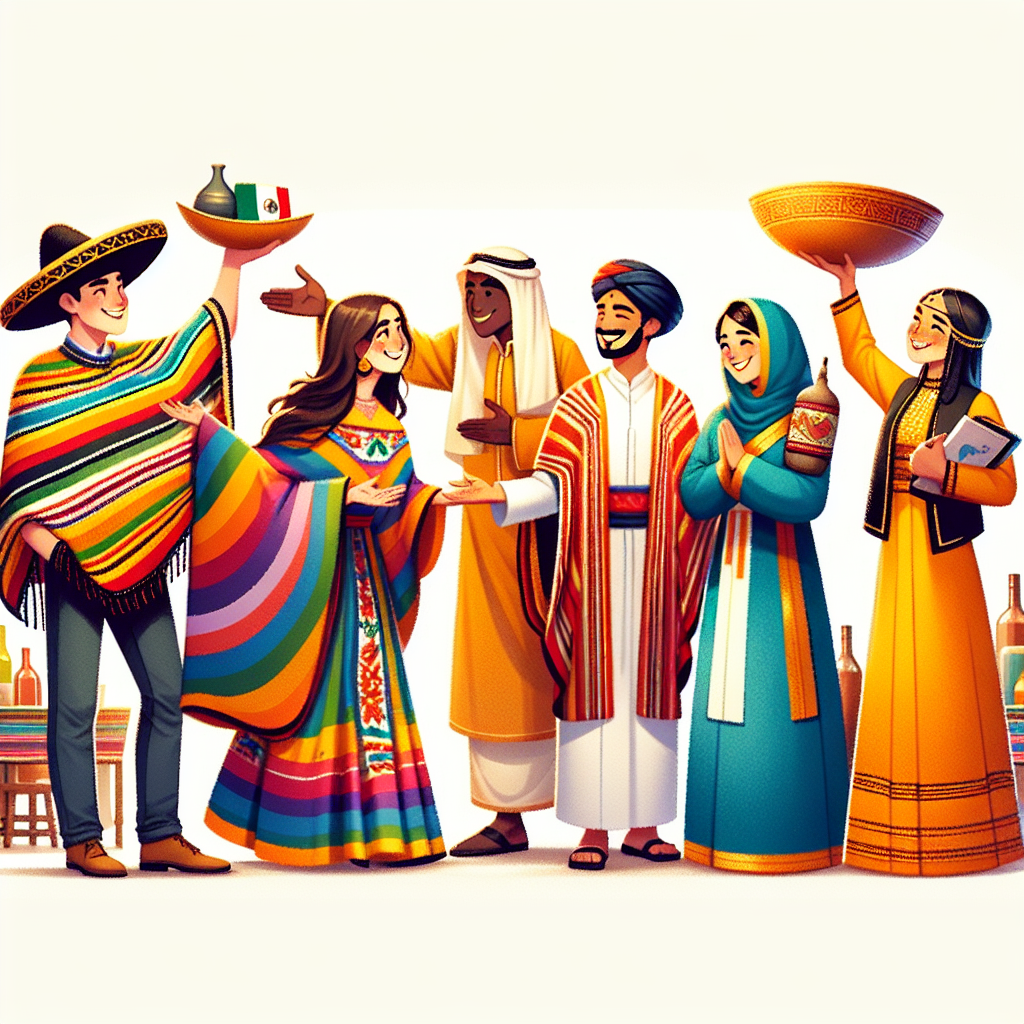
The Joy of Cultural Exchange Through Traditional Clothing and Textiles
Introduction
Cultural exchange is a powerful tool that fosters understanding, appreciation, and respect among diverse communities. Traditional clothing and textiles play a significant role in this exchange, serving as vibrant symbols of cultural identity and heritage. They offer a visual narrative of a community’s history, values, and beliefs, and provide a unique platform for dialogue and connection. This article explores the joy of cultural exchange through traditional clothing and textiles, highlighting their significance, the stories they tell, and their impact on global understanding.
The Significance of Traditional Clothing and Textiles
Traditional clothing and textiles are more than mere garments; they are a rich tapestry of cultural expression. Each piece is imbued with symbolism, representing the customs, traditions, and social structures of a particular community. These garments often carry historical significance, reflecting the influences of trade, migration, and cultural interaction over centuries.
– **Cultural Identity**: Traditional clothing and textiles are a testament to a community’s cultural identity. They embody the unique characteristics and values that define a group, offering insights into their way of life.
– **Artistic Expression**: These textiles are a form of artistic expression, showcasing the creativity and craftsmanship of artisans. Intricate patterns, vibrant colors, and unique designs tell stories of ancestral knowledge passed down through generations.
– **Social Significance**: Clothing often signifies social status, marital status, or community affiliation. It can denote age, gender, and even spiritual beliefs, providing a visual language that communicates complex social structures.
The Stories Behind Traditional Textiles
Every piece of traditional clothing or textile carries a story, often reflecting the history and experiences of the people who created it. These stories are woven into the fabric, offering a narrative that connects the past with the present.
– **Historical Narratives**: Traditional textiles often depict historical events, legends, and myths. For example, the intricate patterns of a Persian carpet may tell the story of ancient battles, while the motifs on a Japanese kimono could illustrate a famous folktale.
– **Cultural Symbols**: Many textiles incorporate symbols that hold cultural significance. In African kente cloth, each color and pattern has a specific meaning, such as wealth, peace, or unity.
– **Personal Journeys**: Some garments are personalized to reflect the life journey of the wearer. In India, for instance, a bride’s sari may be adorned with motifs that symbolize prosperity and happiness, reflecting her hopes for the future.
The Role of Traditional Clothing in Cultural Exchange
Traditional clothing and textiles are pivotal in facilitating cultural exchange. They provide a tangible connection to different cultures, fostering dialogue and mutual understanding.
– **Educational Opportunities**: Exhibitions and workshops centered around traditional textiles offer educational opportunities for people to learn about different cultures. These events encourage curiosity and open-mindedness, promoting a deeper appreciation of diversity.
– **Cultural Festivals**: Festivals celebrating traditional clothing bring communities together, allowing individuals to share their heritage with others. These events are a platform for cultural exchange, where people can experience the beauty and diversity of global traditions.
– **Fashion and Global Influence**: The influence of traditional textiles on contemporary fashion is a testament to their role in cultural exchange. Designers often draw inspiration from traditional patterns and techniques, introducing global audiences to the richness of other cultures.
The Impact of Cultural Exchange on Traditional Textiles
While cultural exchange enriches our understanding of traditional clothing, it also impacts the textiles themselves. This exchange can lead to both positive developments and challenges.
– **Preservation and Innovation**: Cultural exchange can inspire the preservation of traditional techniques and the innovation of new designs. Collaborations between artisans and designers can lead to the revival of endangered crafts and the creation of contemporary pieces that honor traditional methods.
– **Commercialization and Misrepresentation**: The global popularity of traditional textiles can lead to commercialization, where the cultural significance of garments is overshadowed by their market value. Misrepresentation or appropriation can occur when traditional designs are used without understanding or respecting their cultural context.
– **Empowerment and Economic Opportunities**: Cultural exchange can empower artisans by providing economic opportunities. Fair trade initiatives and collaborations with international designers can support sustainable livelihoods and promote cultural heritage.
Conclusion
The joy of cultural exchange through traditional clothing and textiles lies in the connections they foster and the stories they tell. These garments are more than just fabric; they are a celebration of cultural diversity and a testament to the creativity and resilience of communities worldwide. As we continue to engage in cultural exchange, it is essential to approach these textiles with respect and curiosity, acknowledging their significance and the rich tapestry of history they represent. By doing so, we can build bridges of understanding and appreciation, enriching our global community.
