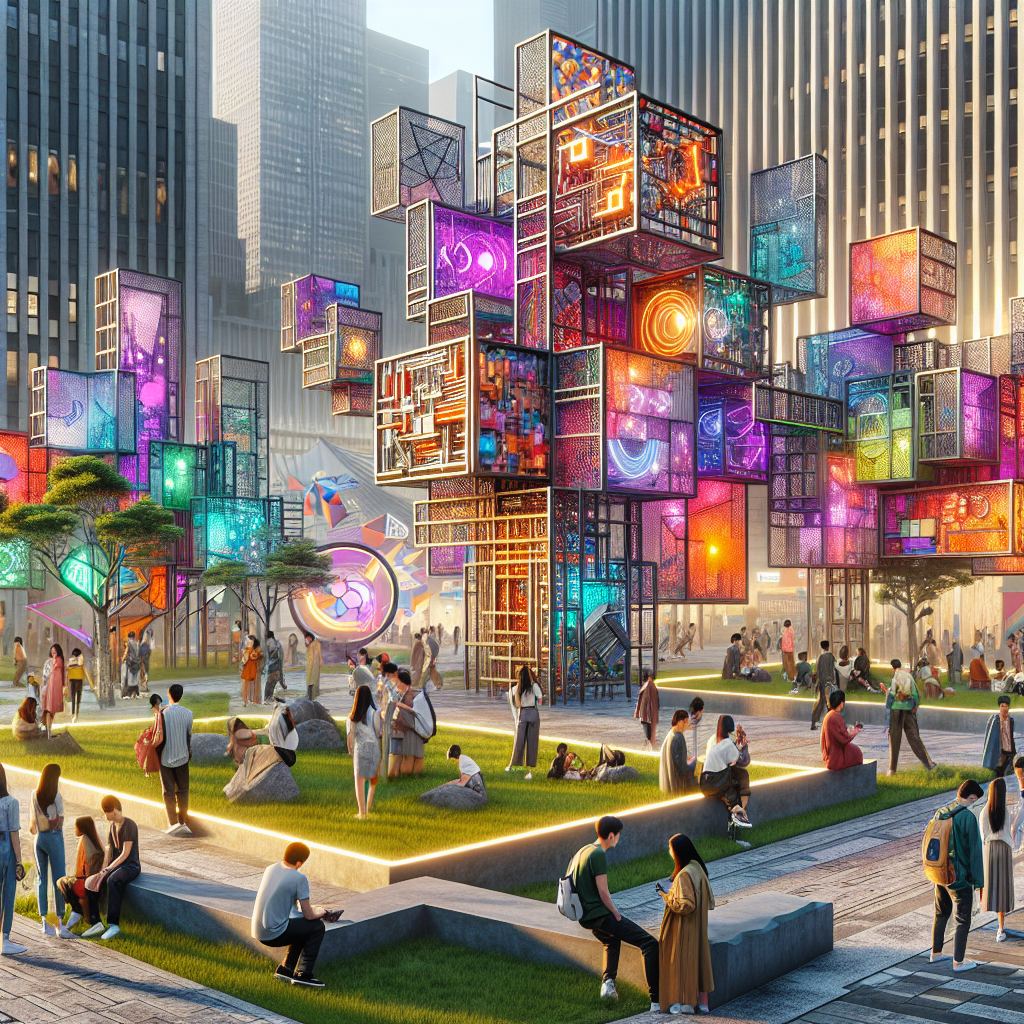
The Impact of Outdoor Art Installations in Urban Spaces: Creativity and Connection
Introduction
In recent years, urban spaces worldwide have increasingly become canvases for artistic expression through outdoor art installations. These installations, ranging from large-scale sculptures to interactive exhibits, have transformed cityscapes into vibrant hubs of creativity and connection. This article delves into the multifaceted impact of outdoor art installations on urban environments, exploring how they foster creativity, enhance community engagement, and contribute to the cultural and economic vitality of cities.
The Rise of Outdoor Art Installations
The evolution of outdoor art installations is a testament to the growing recognition of art’s role in public spaces. Historically, art was often confined to galleries and museums, accessible primarily to those who actively sought it out. However, as cities have expanded and diversified, there has been a shift towards integrating art into everyday environments. This movement aims to democratize art, making it accessible to a broader audience and encouraging spontaneous interactions between people and art.
Several factors have contributed to the rise of outdoor art installations:
– Urbanization and Population Growth: As cities become more densely populated, there is an increasing need for public spaces that offer residents a sense of community and cultural engagement.
– Public Art Policies: Many municipalities have implemented policies and funding initiatives to support public art, recognizing its potential to enhance urban aesthetics and community well-being.
– Technological Advancements: Innovations in materials and technology have enabled artists to create more ambitious and durable installations that can withstand the challenges of outdoor environments.
Fostering Creativity and Innovation
Outdoor art installations serve as catalysts for creativity and innovation, both for artists and the communities they inhabit. By challenging traditional notions of art and space, these installations inspire new ways of thinking and interacting with the environment.
– Artistic Freedom: Artists are often given the freedom to experiment with scale, materials, and themes, resulting in unique and thought-provoking works that push the boundaries of conventional art.
– Interdisciplinary Collaboration: The creation of outdoor installations frequently involves collaboration between artists, architects, engineers, and urban planners, fostering a spirit of interdisciplinary innovation.
– Interactive Experiences: Many installations are designed to be interactive, encouraging visitors to engage with the art in dynamic and personal ways. This interaction can spark creativity and curiosity among viewers.
Enhancing Community Engagement
Outdoor art installations play a crucial role in enhancing community engagement and fostering a sense of belonging among residents. By transforming public spaces into venues for artistic expression, these installations create opportunities for social interaction and cultural exchange.
– Accessibility and Inclusivity: Unlike traditional art venues, outdoor installations are accessible to all, breaking down barriers related to cost, location, and social status. This inclusivity allows diverse communities to engage with art in meaningful ways.
– Community Involvement: Many installations involve community input and participation, from the initial design stages to the final execution. This involvement can create a sense of ownership and pride among residents.
– Cultural Reflection: Art installations often reflect the cultural heritage and identity of a community, fostering a deeper understanding and appreciation of local history and traditions.
Economic and Cultural Impact
Beyond their aesthetic and social contributions, outdoor art installations have significant economic and cultural impacts on urban areas. By attracting tourists and enhancing the cultural appeal of cities, these installations contribute to economic growth and urban revitalization.
– Tourism and Economic Development: Iconic art installations can become major tourist attractions, drawing visitors from around the world. This influx of tourists can boost local economies through increased spending on accommodation, dining, and other services.
– Urban Revitalization: Art installations can transform neglected or underutilized spaces into vibrant cultural destinations, spurring investment and development in surrounding areas.
– Cultural Capital: Cities known for their public art initiatives often gain a reputation as cultural hubs, attracting artists, creatives, and cultural institutions. This cultural capital can enhance a city’s global standing and appeal.
Challenges and Considerations
While the benefits of outdoor art installations are numerous, there are also challenges and considerations that must be addressed to ensure their success and sustainability.
– Maintenance and Durability: Outdoor installations are exposed to the elements and require regular maintenance to preserve their integrity and appearance. Ensuring the durability of materials and securing funding for ongoing upkeep are critical considerations.
– Public Perception and Controversy: Art is inherently subjective, and installations may elicit diverse reactions from the public. Some works may be controversial or misunderstood, necessitating thoughtful communication and engagement strategies.
– Environmental Impact: The environmental footprint of creating and maintaining large-scale installations must be considered, with an emphasis on sustainable practices and materials.
Case Studies: Successful Outdoor Art Installations
To illustrate the impact of outdoor art installations, it is valuable to examine some successful examples from around the world.
– The Gates, Central Park, New York City: Created by artists Christo and Jeanne-Claude, this temporary installation featured 7,503 fabric gates along 23 miles of pathways in Central Park. The project attracted over four million visitors and generated significant economic activity for the city.
– Cloud Gate, Millennium Park, Chicago: Known colloquially as “The Bean,” this iconic sculpture by Anish Kapoor has become a symbol of Chicago and a major tourist attraction. Its reflective surface encourages interaction and has made it a popular spot for photography and social media.
– Superkilen, Copenhagen: This urban park and art installation in the Nørrebro district is a collaborative effort between artists, architects, and local residents. It features elements from around the world, reflecting the neighborhood’s diverse cultural makeup and promoting community cohesion.
Future Directions and Opportunities
As cities continue to evolve, the role of outdoor art installations is likely to expand and adapt to new challenges and opportunities. Several trends and directions may shape the future of this dynamic field.
– Technology Integration: Advances in technology, such as augmented reality and digital installations, offer new possibilities for interactive and immersive art experiences in urban spaces.
– Environmental Art: There is a growing emphasis on sustainability and environmental consciousness in art, with installations increasingly incorporating eco-friendly materials and themes that address climate change and conservation.
– Community-Led Initiatives: Grassroots art projects and community-led initiatives are gaining traction, empowering local residents to shape their urban environments through artistic expression.
Conclusion
Outdoor art installations have the power to transform urban spaces into vibrant, engaging, and culturally rich environments. By fostering creativity, enhancing community engagement, and contributing to economic and cultural vitality, these installations play a vital role in shaping the identity and character of cities. As urban areas continue to grow and diversify, the integration of art into public spaces will remain a crucial element of sustainable and inclusive urban development. Through thoughtful planning, collaboration, and innovation, outdoor art installations will continue to inspire and connect people across the globe.
