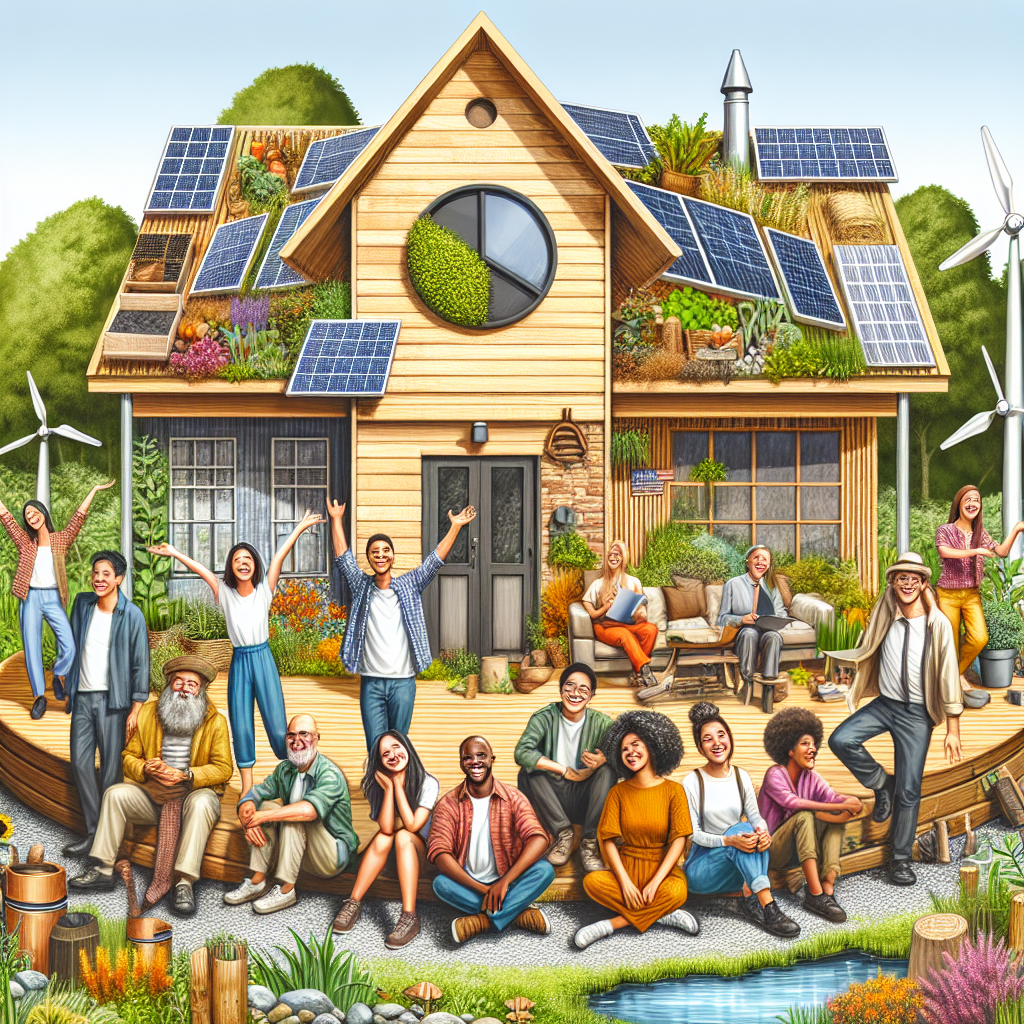
Achieving Happiness Through Sustainable Housing and Eco-Friendly Architecture
In an era where climate change and environmental degradation are increasingly pressing issues, the concept of sustainable housing and eco-friendly architecture has emerged as a pivotal solution. These practices not only aim to reduce the carbon footprint and promote environmental stewardship but also enhance the quality of life and happiness of those who inhabit these spaces. This article delves into how sustainable housing and eco-friendly architecture contribute to human happiness, exploring the principles, benefits, and future prospects of these innovative practices.
Understanding Sustainable Housing and Eco-Friendly Architecture
Sustainable housing refers to residential buildings designed, constructed, and maintained with a focus on minimizing environmental impact. This involves using renewable resources, enhancing energy efficiency, and ensuring that homes are built to last with minimal ecological disruption. Eco-friendly architecture, on the other hand, encompasses a broader approach to designing buildings that are in harmony with the environment, incorporating sustainable materials and practices.
Principles of Sustainable Housing
1. Energy Efficiency: Sustainable homes are designed to optimize energy use, utilizing natural light and ventilation to reduce reliance on artificial lighting and heating.
2. Use of Sustainable Materials: These homes are constructed using materials that are renewable, recycled, or have a low environmental impact, such as bamboo, reclaimed wood, or recycled metal.
3. Water Conservation: Implementing water-saving technologies like low-flow fixtures, rainwater harvesting systems, and greywater recycling to minimize water usage.
4. Indoor Environmental Quality: Ensuring good air quality, natural lighting, and thermal comfort to enhance the well-being of occupants.
5. Site Selection and Land Use: Choosing locations that minimize ecological disruption and promote biodiversity.
Benefits of Sustainable Housing and Eco-Friendly Architecture
Environmental Impact Reduction
One of the primary benefits of sustainable housing and eco-friendly architecture is the significant reduction in environmental impact. By utilizing renewable energy sources such as solar or wind power, these homes decrease reliance on fossil fuels, thereby reducing carbon emissions. Additionally, sustainable materials and construction practices help conserve natural resources and reduce waste.
Economic Advantages
While the initial investment in sustainable housing may be higher, the long-term economic benefits are substantial. Energy-efficient homes lead to lower utility bills, and the use of durable materials reduces maintenance and repair costs. Moreover, sustainable homes often have higher property values and are increasingly in demand in the real estate market.
Enhanced Quality of Life
Sustainable homes are designed with the occupants’ well-being in mind. Features such as improved air quality, natural lighting, and thermal comfort contribute to a healthier and more pleasant living environment. Studies have shown that individuals living in eco-friendly homes report higher levels of satisfaction and happiness, attributing this to the comfort and health benefits provided by these spaces.
Community and Social Benefits
Sustainable housing projects often foster a sense of community and social responsibility. These developments encourage shared spaces, community gardens, and other amenities that promote interaction and cooperation among residents. By living in harmony with the environment, individuals often feel a greater sense of connection to their community and the world around them.
Case Studies and Success Stories
Vauban, Germany
Vauban, a district in Freiburg, Germany, is a prime example of sustainable urban planning. This eco-friendly neighborhood was designed with an emphasis on reducing car dependency and promoting renewable energy. The district features energy-efficient homes, solar panels, and extensive green spaces. Residents enjoy a high quality of life, with access to community gardens, bike paths, and public transportation, all contributing to a happier and healthier lifestyle.
BedZED, United Kingdom
The Beddington Zero Energy Development, or BedZED, is a pioneering eco-friendly housing project in London. This community is designed to be carbon-neutral, with homes featuring solar panels, energy-efficient appliances, and rainwater harvesting systems. BedZED promotes a sustainable lifestyle, with shared amenities such as a carpool system and communal gardens. The project has been successful in reducing residents’ carbon footprints while enhancing their overall well-being.
Future Prospects and Innovations
As technology and awareness continue to advance, the future of sustainable housing and eco-friendly architecture looks promising. Innovations such as smart home technology, which allows for more efficient energy management, and the development of new sustainable materials, are paving the way for even more eco-friendly living spaces.
Biophilic Design
Biophilic design is an emerging trend that integrates natural elements into architectural design. By incorporating features such as green walls, indoor gardens, and natural materials, biophilic design aims to create environments that foster a connection with nature. This approach not only enhances the aesthetic appeal of a space but also contributes to the mental and emotional well-being of its occupants.
Net-Zero and Positive Energy Buildings
Net-zero energy buildings are designed to produce as much energy as they consume, often through renewable energy sources. Positive energy buildings take this concept a step further by generating more energy than they use, contributing surplus energy back to the grid. These buildings represent the future of sustainable architecture, offering a model for reducing our reliance on non-renewable energy sources.
Challenges and Considerations
While the benefits of sustainable housing and eco-friendly architecture are clear, there are challenges to consider. The initial cost of implementing sustainable technologies and materials can be a barrier for some homeowners and developers. Additionally, there is a need for greater awareness and education on the benefits and practices of sustainable living.
Policy and Regulation
Government policies and regulations play a crucial role in promoting sustainable housing. Incentives such as tax credits, grants, and subsidies can encourage developers and homeowners to adopt eco-friendly practices. Furthermore, establishing stricter building codes and standards can ensure that new constructions meet sustainability criteria.
Conclusion
Achieving happiness through sustainable housing and eco-friendly architecture is not only possible but increasingly necessary in our modern world. By embracing these practices, individuals can enjoy a higher quality of life, contribute to environmental preservation, and foster a sense of community and social responsibility. As we continue to innovate and prioritize sustainability, the potential for creating happier and healthier living environments becomes ever more attainable. The journey towards a sustainable future is a collective effort, and by making conscious choices in our homes and communities, we can pave the way for a brighter, greener, and more fulfilling tomorrow.
