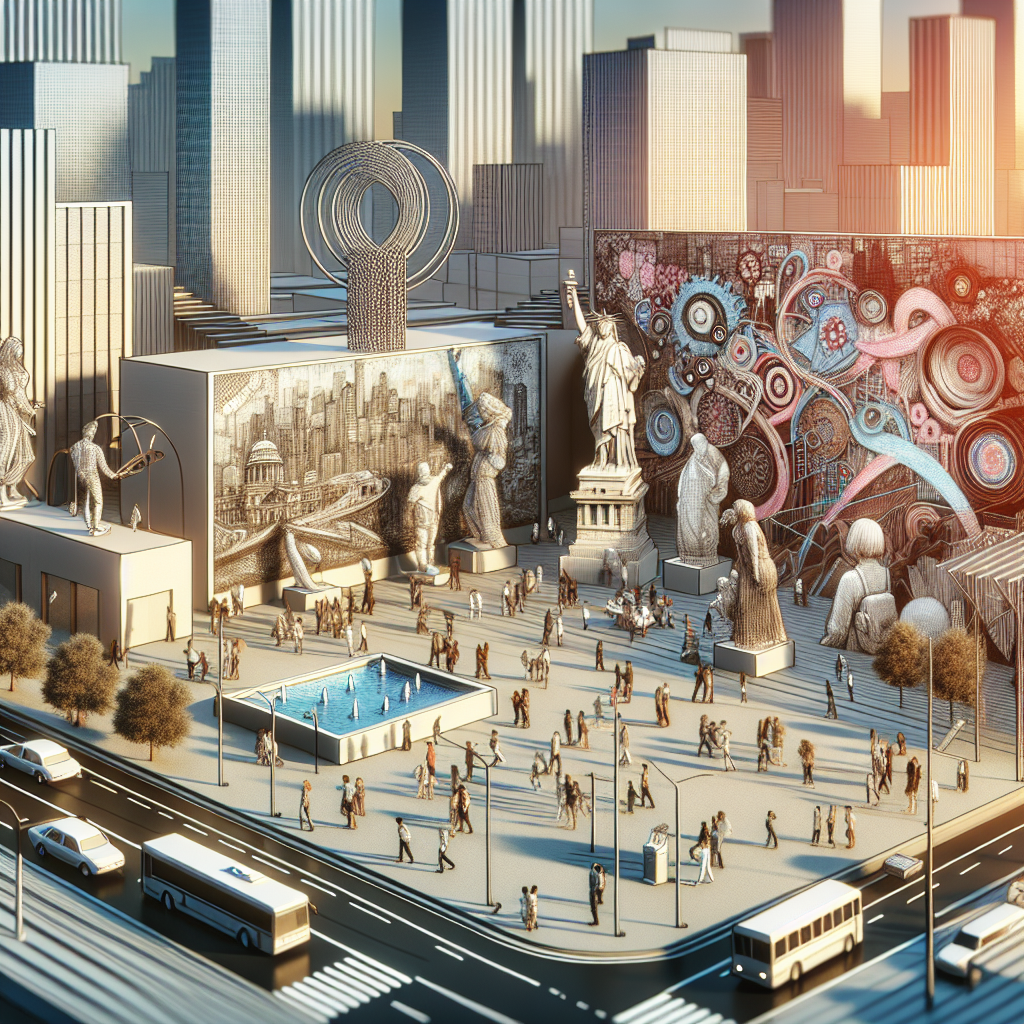
The Impact of Outdoor Art Installations in Urban Spaces: Creativity and Connection
Introduction
Urban spaces are dynamic environments where culture, architecture, and human interaction converge. In recent years, outdoor art installations have emerged as significant contributors to the vibrancy and identity of cities worldwide. These installations, ranging from sculptures to murals and interactive pieces, not only enhance the aesthetic appeal of urban landscapes but also foster community engagement and cultural dialogue. This article explores the multifaceted impact of outdoor art installations in urban spaces, highlighting their role in enhancing creativity and fostering connection among city dwellers.
The Evolution of Urban Art
Outdoor art installations have evolved from traditional sculptures to innovative and interactive works that engage the public in unique ways. Historically, urban art was often confined to statues and monuments that commemorated historical figures or events. However, the modern landscape of urban art has expanded to include a diverse array of mediums and styles, reflecting contemporary societal themes and artistic expressions.
– Traditional sculptures and monuments
– Modern murals and street art
– Interactive and digital installations
This evolution reflects a broader shift in the perception of art as an accessible and participatory experience, rather than a static display confined to galleries and museums.
Enhancing Aesthetic Appeal
One of the most immediate impacts of outdoor art installations is their ability to transform the visual landscape of urban areas. These installations introduce color, texture, and form into often monotonous cityscapes, creating visually stimulating environments that attract both residents and visitors.
Art installations can:
– Revitalize neglected or underutilized spaces
– Introduce unique and diverse artistic styles
– Complement architectural elements and natural landscapes
By enhancing aesthetic appeal, outdoor art installations contribute to a city’s identity and make urban spaces more inviting and enjoyable.
Fostering Community Engagement
Outdoor art installations have a unique ability to bring people together, fostering a sense of community and shared experience. These installations often serve as gathering points, encouraging interaction and dialogue among diverse groups of people.
Community engagement is facilitated through:
– Collaborative art projects involving local artists and residents
– Public events and festivals centered around art installations
– Educational programs and workshops that promote art appreciation
Such initiatives not only strengthen community bonds but also empower individuals by giving them a voice in the cultural landscape of their city.
Encouraging Cultural Dialogue
Art installations in urban spaces provide a platform for cultural dialogue, allowing artists to address social, political, and environmental issues. Through their work, artists can challenge perceptions, provoke thought, and inspire change.
Key aspects of cultural dialogue include:
– Highlighting local history and heritage
– Addressing contemporary social issues
– Promoting diversity and inclusivity
By encouraging cultural dialogue, outdoor art installations contribute to a more informed and connected society, where diverse perspectives are acknowledged and celebrated.
Economic Impact
Beyond their cultural and social contributions, outdoor art installations have a significant economic impact on urban areas. These installations can attract tourists, stimulate local economies, and even increase property values.
Economic benefits include:
– Boosting tourism and related industries
– Encouraging investment in local businesses
– Enhancing real estate value and desirability
Cities that prioritize art in public spaces often see a positive return on investment, as the cultural vibrancy and aesthetic appeal of the city attract both visitors and new residents.
Case Studies of Impactful Installations
To better understand the transformative power of outdoor art installations, it is helpful to examine specific examples from around the world. These case studies highlight the diverse ways in which art can impact urban spaces and communities.
1. The Gates, New York City
In 2005, artists Christo and Jeanne-Claude installed “The Gates” in Central Park, a temporary installation consisting of 7,503 saffron-colored fabric gates. This project transformed the park into a vibrant landscape, attracting millions of visitors and generating significant media attention. “The Gates” exemplified the potential for temporary installations to create lasting cultural and economic impact.
2. Wynwood Walls, Miami
Wynwood Walls is an outdoor museum showcasing large-scale murals by artists from around the world. This project has transformed the Wynwood neighborhood into a vibrant cultural hub, drawing tourists and influencing local business growth. Wynwood Walls demonstrates how art can revitalize a neighborhood and establish it as a destination for art lovers.
3. Cloud Gate, Chicago
Anish Kapoor’s “Cloud Gate,” commonly known as “The Bean,” is a permanent sculpture located in Millennium Park, Chicago. Its reflective surface and unique form have made it an iconic symbol of the city, attracting millions of visitors annually. “Cloud Gate” highlights the potential for a single art installation to become a cultural landmark and a source of civic pride.
Challenges and Considerations
While the impact of outdoor art installations is largely positive, there are challenges and considerations that must be addressed to ensure their success and sustainability.
1. Funding and Maintenance
Securing funding for the creation and maintenance of art installations can be challenging. Public and private partnerships, grants, and community fundraising efforts are often necessary to support these projects.
2. Public Reception and Controversy
Art is subjective, and not all installations are universally appreciated. Artists and city planners must be prepared for varying public reactions and potential controversy.
3. Environmental Impact
The environmental impact of art installations, including the materials used and their carbon footprint, must be considered to ensure sustainability.
Conclusion
Outdoor art installations have a profound impact on urban spaces, enhancing aesthetic appeal, fostering community engagement, and encouraging cultural dialogue. They serve as catalysts for economic growth and contribute to the identity and vibrancy of cities. As urban areas continue to evolve, the role of art in public spaces will remain integral to creating dynamic and inclusive environments where creativity and connection flourish. By embracing and supporting outdoor art installations, cities can cultivate a richer cultural landscape that benefits residents and visitors alike.
