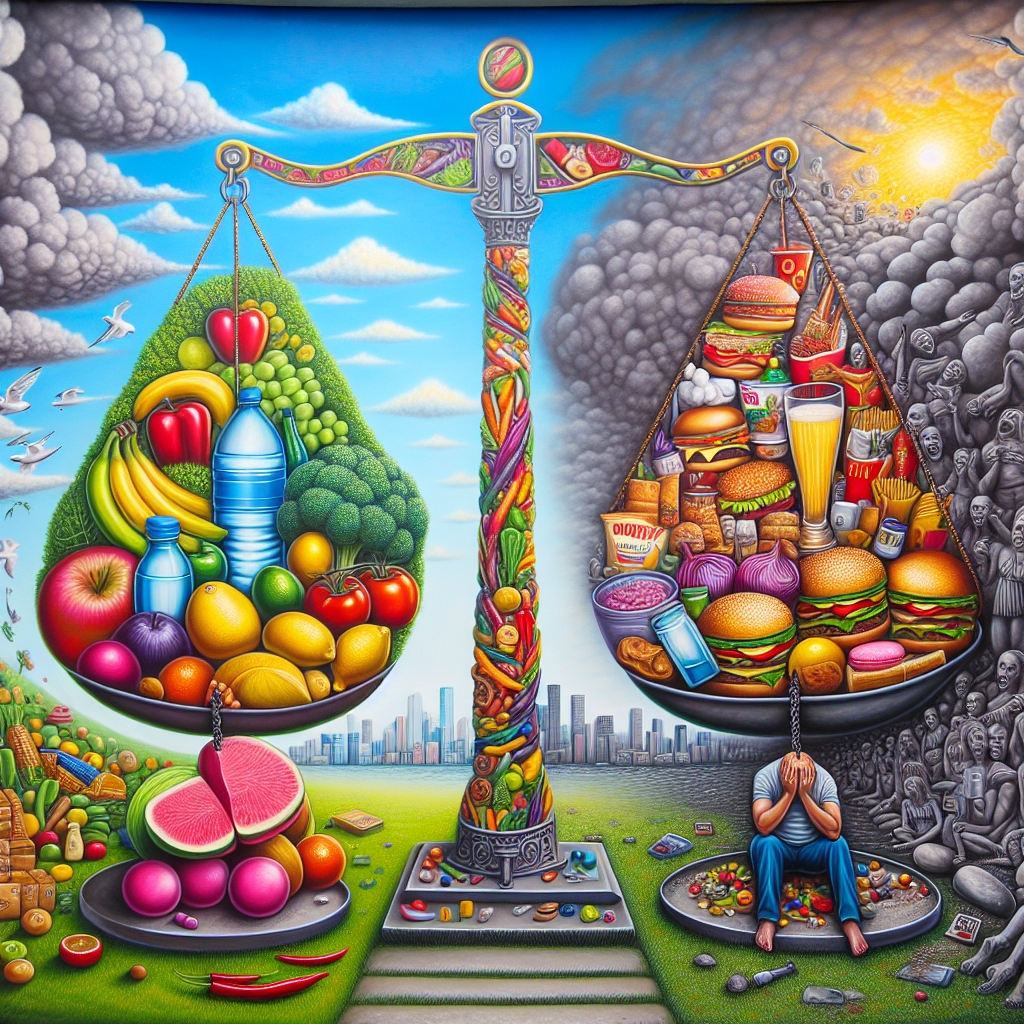
The Influence of Diet on Mood and Emotional Well-Being
Introduction
The connection between diet and physical health is well-established, yet the impact of dietary choices on mood and emotional well-being is a burgeoning area of interest among researchers and health professionals. As individuals increasingly seek holistic approaches to health, understanding the role of nutrition in mental health becomes crucial. This article delves into the intricate relationship between diet and mood, exploring how various nutrients and dietary patterns can influence emotional states and overall psychological well-being.
The Science Behind Diet and Mood
The human brain, while only accounting for about two percent of body weight, consumes approximately twenty percent of the body’s energy. This high demand for energy underscores the importance of nutrition in maintaining optimal brain function. Several mechanisms explain how diet influences mood:
– Neurotransmitter Synthesis: Nutrients such as amino acids, vitamins, and minerals are essential for the production of neurotransmitters like serotonin and dopamine, which regulate mood and emotional responses.
– Inflammation: Diets high in processed foods and sugars can trigger inflammation, which has been linked to mood disorders like depression and anxiety.
– Gut-Brain Axis: The gut microbiome plays a pivotal role in mental health, with gut bacteria producing neurotransmitters and influencing brain function through the gut-brain axis.
– Blood Sugar Regulation: Fluctuations in blood sugar levels can affect energy and mood, highlighting the importance of balanced meals.
Nutrients That Boost Mood
Certain nutrients have been identified as particularly beneficial for enhancing mood and supporting emotional well-being:
Omega-3 Fatty Acids
Omega-3 fatty acids, predominantly found in fatty fish such as salmon and mackerel, are crucial for brain health. They support the structure of brain cells and have anti-inflammatory properties. Research suggests that omega-3 supplementation can alleviate symptoms of depression and improve mood stability.
B Vitamins
B vitamins, including B6, B12, and folate, are vital for neurotransmitter synthesis and brain function. Deficiencies in these vitamins have been linked to mood disorders. Foods rich in B vitamins, such as leafy greens, legumes, and whole grains, can support emotional well-being.
Magnesium
Magnesium is involved in numerous biochemical reactions in the brain and body. It plays a role in regulating neurotransmitters and has been shown to reduce symptoms of anxiety and depression. Nuts, seeds, and dark chocolate are excellent sources of magnesium.
Tryptophan
Tryptophan is an amino acid precursor to serotonin, a neurotransmitter that contributes to feelings of happiness and well-being. Foods high in tryptophan, such as turkey, eggs, and dairy products, can support serotonin production.
Dietary Patterns and Emotional Health
Beyond individual nutrients, overall dietary patterns significantly impact mood and emotional well-being. Two dietary approaches have garnered attention for their positive effects on mental health:
Mediterranean Diet
The Mediterranean diet, characterized by high consumption of fruits, vegetables, whole grains, nuts, and olive oil, has been associated with lower rates of depression and anxiety. Its emphasis on nutrient-dense foods, healthy fats, and antioxidants supports brain health and reduces inflammation.
Plant-Based Diets
Plant-based diets, which prioritize fruits, vegetables, legumes, and whole grains, have been linked to improved mood and mental clarity. The abundance of fiber and phytonutrients in plant-based diets supports gut health and reduces inflammation, contributing to better emotional well-being.
The Role of Gut Health
The gut-brain axis is a bidirectional communication system between the gut and the brain. The gut microbiome, composed of trillions of bacteria, plays a significant role in this axis. A healthy gut microbiome can enhance mood and cognitive function, while an imbalanced microbiome can contribute to mood disorders.
Probiotics and Prebiotics
Probiotics, found in fermented foods like yogurt and kimchi, introduce beneficial bacteria to the gut. Prebiotics, present in foods like garlic and onions, feed these bacteria. Both probiotics and prebiotics support a healthy gut microbiome, which in turn supports mental health.
Stress and Emotional Eating
Stress can profoundly impact eating behaviors, often leading to emotional eating. Emotional eating involves consuming food in response to stress or emotions rather than hunger. This can lead to unhealthy dietary patterns and exacerbate mood disorders.
Mindful Eating
Mindful eating is an approach that encourages awareness and presence during meals. By focusing on the sensory experience of eating, individuals can better recognize hunger and satiety cues, reducing the likelihood of emotional eating.
Practical Tips for Enhancing Mood Through Diet
Incorporating dietary changes to support mood and emotional well-being can be both simple and rewarding. Consider the following practical tips:
– Prioritize Whole Foods: Focus on whole, unprocessed foods that provide essential nutrients for brain health.
– Balance Macronutrients: Ensure meals contain a balance of carbohydrates, proteins, and healthy fats to stabilize blood sugar levels.
– Stay Hydrated: Adequate hydration is crucial for cognitive function and mood regulation.
– Limit Processed Foods: Reduce intake of processed foods high in sugar and unhealthy fats, which can contribute to inflammation and mood swings.
– Experiment with Fermented Foods: Incorporate fermented foods into the diet to support gut health and the gut-brain axis.
Conclusion
The intricate relationship between diet and mood underscores the importance of nutrition in supporting mental health. By prioritizing nutrient-dense foods and adopting healthy dietary patterns, individuals can enhance their emotional well-being and reduce the risk of mood disorders. As research continues to illuminate the connections between diet and mental health, it becomes increasingly clear that what we eat profoundly affects how we feel. Embracing a balanced and mindful approach to eating can lead to improved mood, greater emotional resilience, and a higher quality of life.
