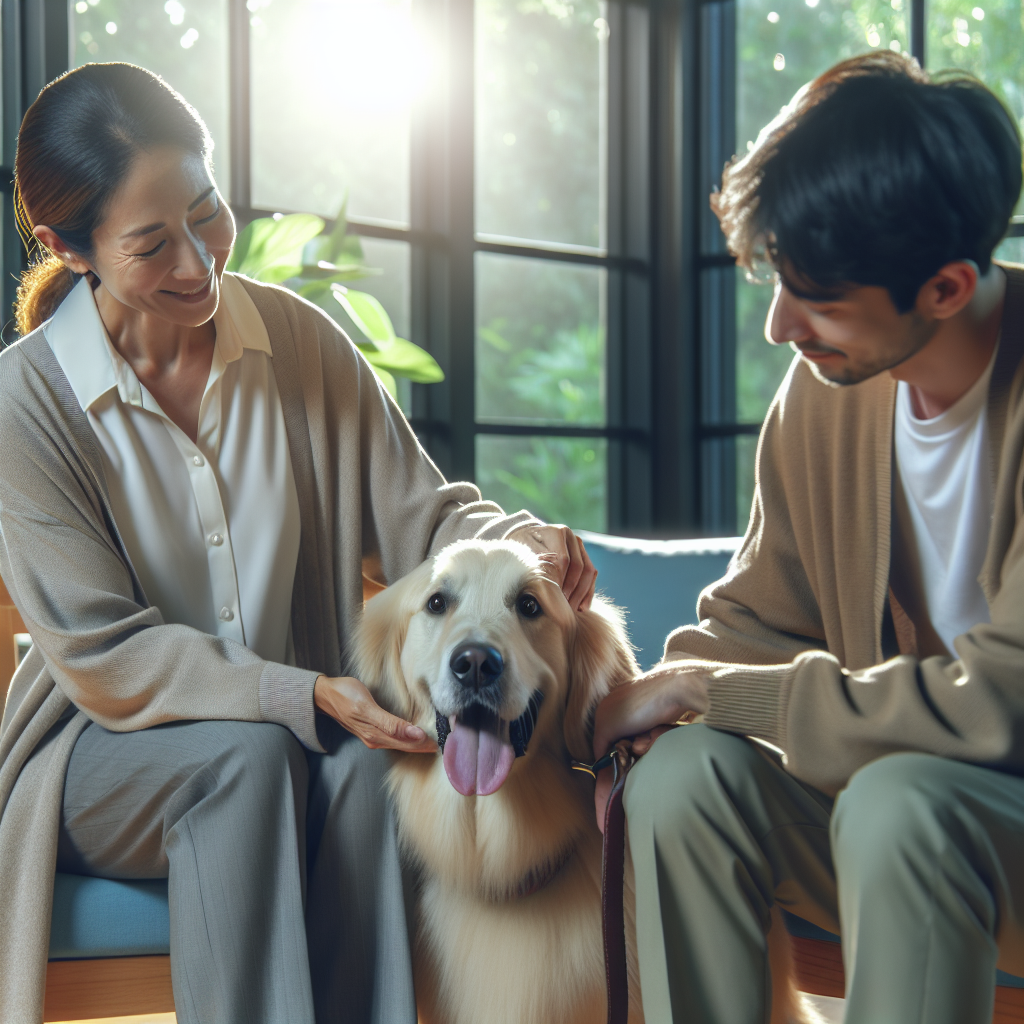
The Impact of Animal-Assisted Therapy in Treating Anxiety and Depression
Introduction
In recent years, the realm of mental health treatment has expanded beyond traditional methods, embracing innovative approaches to address the growing prevalence of anxiety and depression. Among these emerging strategies is animal-assisted therapy (AAT), a therapeutic intervention that leverages the healing power of animals to support individuals facing mental health challenges. This article explores the impact of AAT on anxiety and depression, examining its benefits, the mechanisms by which it operates, and its integration into conventional mental health care.
Understanding Animal-Assisted Therapy
Animal-assisted therapy involves the use of trained animals as a part of a therapeutic process to enhance the physical, emotional, and social well-being of individuals. This form of therapy can involve a variety of animals, including dogs, horses, cats, and even birds, each offering unique benefits. The presence of animals in therapeutic settings is believed to foster a sense of calm, reduce stress, and promote emotional healing.
The Prevalence of Anxiety and Depression
Anxiety and depression are among the most common mental health disorders globally, affecting millions of individuals across various age groups. According to the World Health Organization, depression is a leading cause of disability worldwide, while anxiety disorders are the most prevalent mental health disorders. The traditional treatment options for these conditions often include medication, psychotherapy, or a combination of both. However, the limitations and side effects associated with these treatments have prompted the exploration of complementary therapies like AAT.
The Benefits of Animal-Assisted Therapy
1. Emotional Support and Companionship
Animals provide unconditional love and companionship, which can be particularly comforting for individuals experiencing anxiety and depression. The presence of a non-judgmental companion can alleviate feelings of loneliness and isolation, providing a sense of belonging and acceptance.
2. Reduction of Stress and Anxiety
Interacting with animals has been shown to lower cortisol levels, a hormone associated with stress. The simple act of petting an animal can trigger the release of oxytocin, a hormone that promotes relaxation and reduces anxiety. This physiological response can be especially beneficial for individuals with anxiety disorders.
3. Improvement in Mood and Emotional Regulation
Animals can have a positive impact on mood, helping to alleviate symptoms of depression. The playful and affectionate nature of animals can evoke joy and laughter, providing a temporary respite from negative emotions. Additionally, the responsibility of caring for an animal can instill a sense of purpose and routine, contributing to improved emotional regulation.
4. Enhancement of Social Interaction
Animal-assisted therapy can facilitate social interaction, particularly for individuals who struggle with social anxiety or depression. The presence of an animal can serve as a social catalyst, encouraging communication and interaction with others. This can be particularly beneficial in group therapy settings, where animals can help break down barriers and foster a sense of community.
Mechanisms of Action
The therapeutic effects of animal-assisted therapy can be attributed to several mechanisms:
– **Physiological Responses**: The interaction with animals can lead to physiological changes, such as reduced blood pressure and heart rate, contributing to a state of relaxation and calmness.
– **Psychological Benefits**: Animals can provide a sense of security and comfort, reducing symptoms of anxiety and depression. The bond formed with an animal can also enhance self-esteem and self-worth.
– **Behavioral Activation**: Engaging with animals encourages physical activity and outdoor exposure, which are known to have positive effects on mental health. Activities such as walking a dog or grooming a horse can promote physical exercise and increase exposure to natural environments.
– **Cognitive Engagement**: The presence of animals can stimulate cognitive engagement, promoting mindfulness and present-moment awareness. This can be particularly beneficial for individuals who struggle with rumination and negative thought patterns.
Integration into Conventional Mental Health Care
Animal-assisted therapy is increasingly being integrated into conventional mental health care settings, including hospitals, clinics, and rehabilitation centers. This integration is facilitated by mental health professionals who are trained in AAT and work in conjunction with certified therapy animals. The inclusion of AAT in treatment plans is often tailored to the individual needs of the patient, ensuring a personalized and holistic approach to mental health care.
Challenges and Considerations
While animal-assisted therapy offers numerous benefits, there are challenges and considerations that must be addressed:
– **Allergies and Phobias**: Some individuals may have allergies to certain animals or phobias that prevent them from engaging in AAT. It is important to assess these factors before incorporating animals into therapy.
– **Animal Welfare**: The well-being of therapy animals must be prioritized. Animals should be properly trained, cared for, and given adequate rest to prevent stress and burnout.
– **Standardization and Regulation**: There is a need for standardized guidelines and regulations to ensure the safe and effective implementation of AAT. This includes the certification of therapy animals and the training of professionals involved in the therapy.
Case Studies and Research
Numerous studies have highlighted the positive impact of animal-assisted therapy on anxiety and depression. For instance, a study published in the Journal of Clinical Psychology found that participants who engaged in AAT experienced significant reductions in anxiety and depressive symptoms compared to a control group. Another study in the Journal of Psychiatric Research reported that individuals with major depressive disorder showed improved mood and reduced anxiety after participating in AAT sessions.
These findings underscore the potential of AAT as a complementary treatment for anxiety and depression, providing a valuable addition to traditional therapeutic modalities.
Conclusion
Animal-assisted therapy represents a promising and innovative approach to treating anxiety and depression, offering emotional, physiological, and social benefits to individuals facing these challenges. As the integration of AAT into conventional mental health care continues to evolve, it is essential to address the associated challenges and ensure the well-being of both patients and therapy animals. By embracing the healing power of animals, mental health professionals can enhance the therapeutic experience and improve outcomes for individuals struggling with anxiety and depression.
