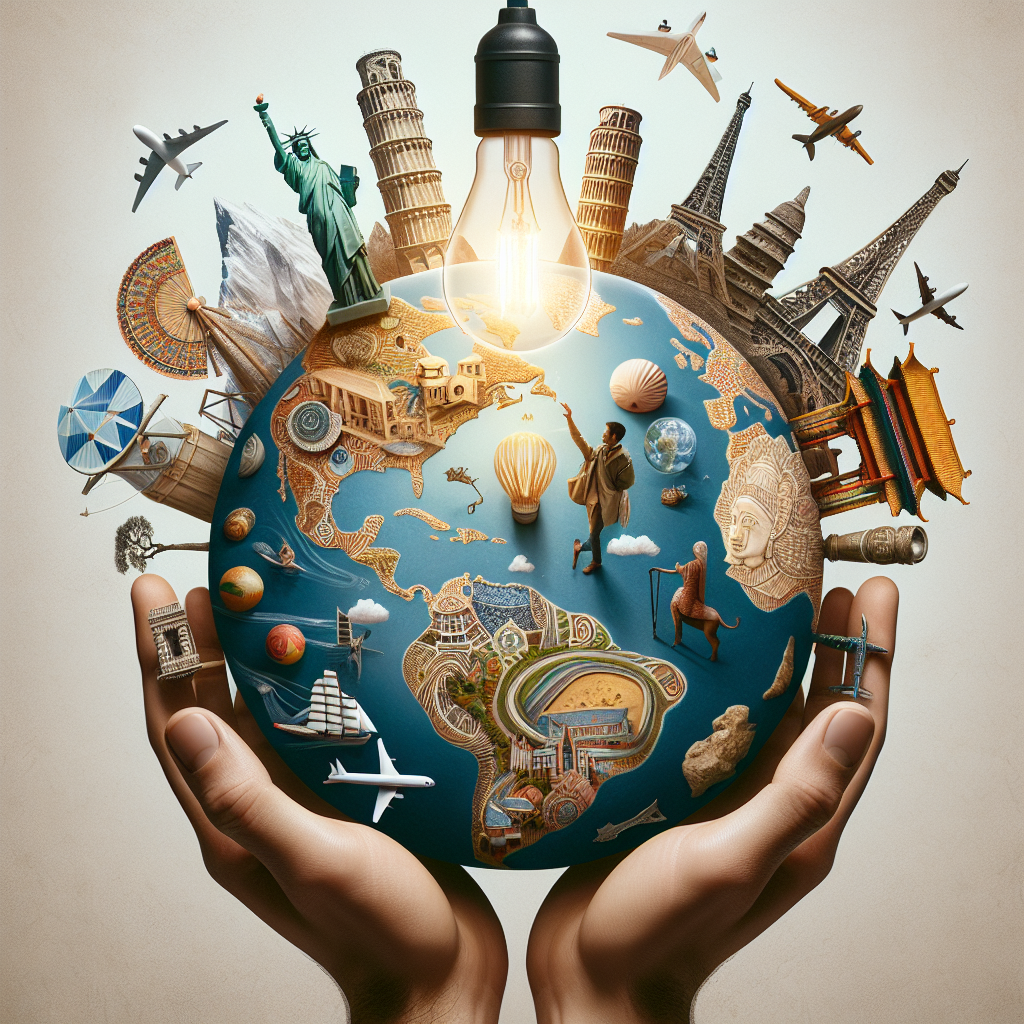
Exploring New Horizons: The Connection Between Travel and Cultural Understanding
Introduction
In an increasingly globalized world, the importance of cultural understanding cannot be overstated. As societies become more interconnected, the ability to appreciate and respect cultural differences becomes essential. One of the most effective ways to foster this understanding is through travel. Traveling allows individuals to immerse themselves in different cultures, gaining firsthand experience and insights that books or digital content alone cannot provide. This article explores the profound connection between travel and cultural understanding, examining how travel can break down barriers, promote empathy, and enrich personal growth.
The Role of Travel in Cultural Exchange
Travel as a Bridge Between Cultures
Travel serves as a bridge that connects people from diverse backgrounds. When individuals travel, they have the opportunity to engage directly with different cultures, experiencing customs, traditions, and lifestyles firsthand. This direct engagement helps to dispel stereotypes and prejudices, fostering a more nuanced understanding of other cultures.
– **Cultural Immersion**: Travelers can participate in local traditions, festivals, and daily activities, gaining a deeper appreciation for the cultural fabric of a place.
– **Language Learning**: Being in a foreign environment encourages travelers to learn and practice new languages, enhancing communication and understanding.
– **Culinary Exploration**: Trying local cuisine is a sensory experience that offers insights into the history, geography, and values of a culture.
Facilitating Mutual Respect and Empathy
Travel not only promotes understanding but also cultivates mutual respect and empathy. By witnessing the challenges and triumphs of people in different parts of the world, travelers develop a more empathetic worldview.
– **Shared Experiences**: Engaging in shared activities, such as community projects or cultural workshops, fosters a sense of camaraderie and mutual respect between travelers and locals.
– **Understanding Historical Contexts**: Visiting historical sites and museums provides context to current cultural practices and societal structures, aiding in the appreciation of a culture’s evolution.
– **Human Connections**: Personal interactions with locals can lead to lasting friendships, breaking down cultural barriers and reinforcing the idea that, despite differences, all humans share common experiences and emotions.
The Impact of Travel on Personal Growth
Broadening Perspectives
Traveling exposes individuals to different worldviews, challenging preconceived notions and encouraging open-mindedness. This exposure is crucial for personal growth and development.
– **Challenging Stereotypes**: Encountering diverse perspectives helps travelers question and move beyond stereotypes and biases.
– **Adaptability and Resilience**: Navigating unfamiliar environments enhances problem-solving skills and adaptability, qualities that are valuable in both personal and professional settings.
– **Increased Tolerance**: Exposure to different ways of life fosters tolerance and acceptance of diversity.
Enhancing Cultural Sensitivity
Cultural sensitivity is the awareness and respect for cultural differences. Travel plays a pivotal role in enhancing this sensitivity, which is increasingly important in a multicultural world.
– **Recognizing Cultural Nuances**: Travel teaches individuals to recognize and appreciate the subtleties of cultural expressions, from body language to social norms.
– **Avoiding Cultural Appropriation**: By understanding the significance of cultural elements, travelers can avoid cultural appropriation and instead show genuine respect for cultural practices.
– **Promoting Inclusivity**: Culturally sensitive individuals are more likely to promote inclusivity and diversity in their communities and workplaces.
Travel and Global Citizenship
Fostering Global Awareness
Travel cultivates a sense of global citizenship, encouraging individuals to think beyond their national borders and consider their role in the global community.
– **Environmental Awareness**: Exposure to diverse ecosystems and environmental challenges promotes a sense of responsibility towards environmental conservation.
– **Social Responsibility**: Understanding global issues, such as poverty and inequality, inspires travelers to contribute to social change and humanitarian efforts.
– **Cultural Preservation**: Travelers can support efforts to preserve cultural heritage by respecting local customs and supporting sustainable tourism initiatives.
Encouraging Cross-Cultural Collaboration
In an interconnected world, cross-cultural collaboration is essential for addressing global challenges. Travel facilitates this collaboration by building networks and fostering understanding.
– **International Partnerships**: Travel creates opportunities for forming international partnerships in fields such as business, education, and research.
– **Cultural Diplomacy**: Travelers act as informal ambassadors, promoting cultural exchange and understanding between nations.
– **Innovation and Creativity**: Exposure to diverse ideas and practices can inspire innovation and creativity, leading to new solutions and advancements.
Challenges and Considerations
Overcoming Cultural Barriers
While travel has the potential to enhance cultural understanding, it is not without challenges. Travelers must be mindful of cultural barriers and strive to overcome them.
– **Language Barriers**: Communication can be a significant challenge, but learning basic phrases or using translation tools can help bridge the gap.
– **Cultural Misunderstandings**: Travelers should educate themselves about local customs and etiquette to avoid misunderstandings and show respect.
– **Ethical Travel**: Being mindful of the impact of tourism on local communities and environments is crucial for responsible travel.
Balancing Authenticity and Tourism
The rise of mass tourism poses challenges to maintaining cultural authenticity. Travelers must seek a balance between experiencing a culture authentically and contributing positively to the local economy.
– **Supporting Local Businesses**: Choosing local accommodations, restaurants, and guides supports the local economy and provides a more authentic experience.
– **Respecting Cultural Sites**: Travelers should respect cultural and historical sites, adhering to guidelines and preserving their integrity for future generations.
– **Avoiding Over-Tourism**: Being mindful of travel destinations that are experiencing over-tourism can help mitigate negative impacts on local communities and environments.
Conclusion
The connection between travel and cultural understanding is profound and multifaceted. Travel serves as a powerful tool for breaking down cultural barriers, fostering empathy, and promoting personal growth. By exposing individuals to diverse perspectives and experiences, travel cultivates cultural sensitivity and global awareness. As global citizens, travelers have the responsibility to approach travel with respect, openness, and a commitment to promoting cultural understanding. In doing so, they contribute to a more connected and harmonious world, where cultural diversity is celebrated and respected.
