Exploring the Connection Between Permaculture Design and Personal Fulfillment
Introduction
In a world increasingly concerned with sustainability and personal well-being, permaculture design offers a unique intersection of ecological responsibility and personal fulfillment. This holistic approach to land management and lifestyle design extends beyond traditional agricultural practices, emphasizing harmony between humans and nature. As individuals seek meaningful connections with their environment, permaculture provides not only a pathway to sustainable living but also a profound sense of personal fulfillment. This article delves into the principles of permaculture design, its impact on personal well-being, and how it fosters a deep connection with the natural world.
Understanding Permaculture Design
Permaculture, a term coined by Bill Mollison and David Holmgren in the 1970s, combines the words “permanent” and “agriculture.” It is a design philosophy that aims to create sustainable and self-sufficient ecosystems by mimicking natural patterns. Permaculture design is rooted in three core ethics: care for the earth, care for people, and fair share. These ethics guide the creation of systems that meet human needs while enhancing the environment.
Principles of Permaculture
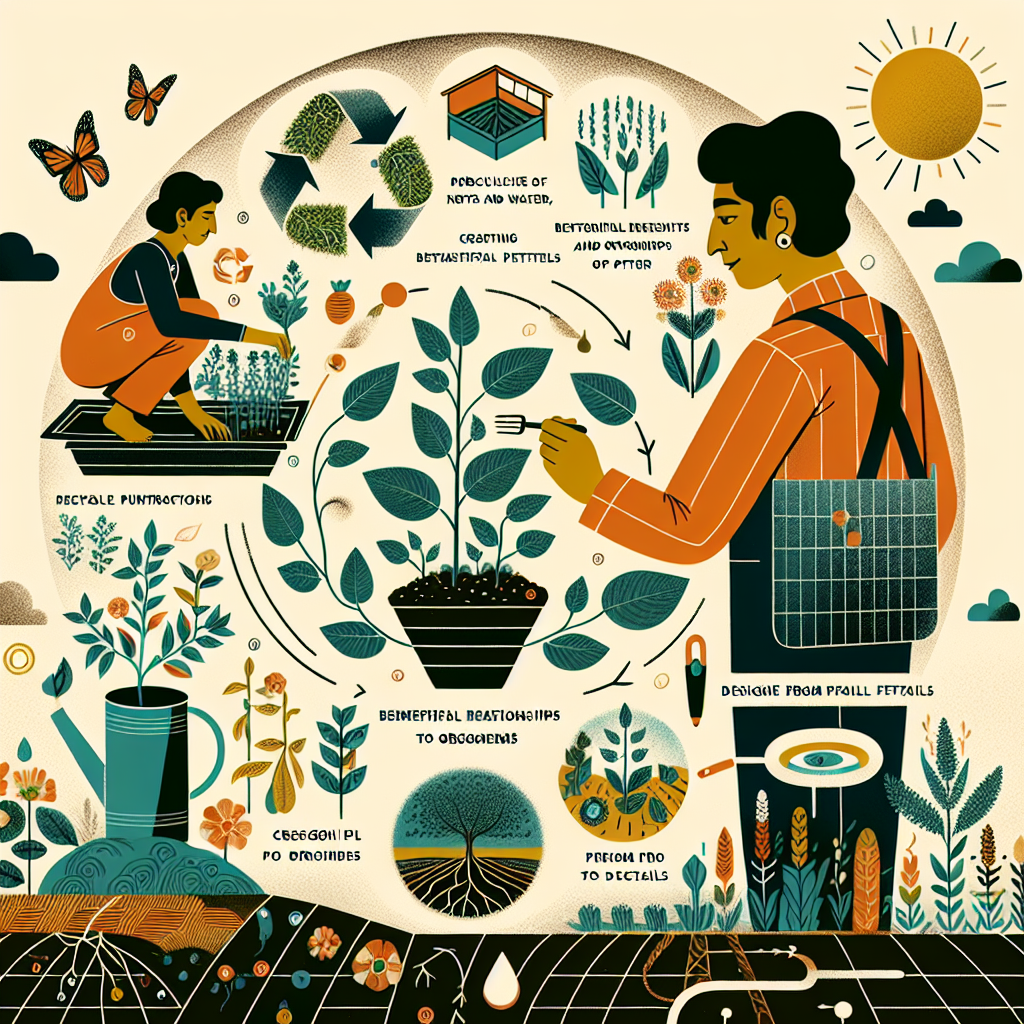
Permaculture design is governed by a set of principles that serve as guidelines for creating sustainable systems. These principles, developed by David Holmgren, are applicable to various aspects of life, from agriculture to community planning.
– Observe and Interact: Understanding natural patterns through careful observation allows for more informed and effective design decisions.
– Catch and Store Energy: Efficiently capturing and utilizing energy resources, such as sunlight and water, ensures sustainability.
– Obtain a Yield: Systems should be designed to produce tangible benefits, whether in the form of food, energy, or other resources.
– Apply Self-Regulation and Accept Feedback: Systems should be adaptable, allowing for adjustments based on feedback to improve efficiency and resilience.
– Use and Value Renewable Resources and Services: Emphasizing renewable resources reduces dependence on non-renewable inputs.
– Produce No Waste: Designing systems that minimize waste through recycling and reuse contributes to sustainability.
– Design from Patterns to Details: Understanding larger patterns and applying them to specific situations enhances design effectiveness.
– Integrate Rather than Segregate: Encouraging symbiotic relationships between elements within a system fosters resilience and productivity.
– Use Small and Slow Solutions: Focusing on small-scale, gradual changes allows for more manageable and sustainable development.
– Use and Value Diversity: Diverse systems are more resilient to changes and challenges, enhancing long-term sustainability.
– Use Edges and Value the Marginal: The edges of systems often hold untapped potential and opportunities for innovation.
– Creatively Use and Respond to Change: Embracing change as an opportunity for growth and adaptation is key to long-term success.
The Path to Personal Fulfillment
Permaculture design not only addresses environmental concerns but also nurtures personal fulfillment through its holistic approach. By aligning with natural systems, individuals often experience a profound sense of purpose and connection.
Connection with Nature
One of the most significant aspects of permaculture is its emphasis on connecting with nature. By observing and interacting with natural systems, individuals develop a deeper understanding and appreciation for the environment. This connection fosters a sense of belonging and purpose, as people recognize their role within the larger ecosystem. Engaging with nature through permaculture practices can lead to reduced stress, improved mental health, and a greater sense of well-being.
Empowerment and Creativity
Permaculture encourages creativity and problem-solving, empowering individuals to design systems that meet their unique needs. This empowerment comes from the ability to create self-sufficient systems that provide food, energy, and resources. The process of designing and implementing permaculture systems fosters a sense of accomplishment and satisfaction, as individuals witness the tangible results of their efforts. This creative engagement contributes to personal fulfillment by allowing individuals to express themselves and take control of their environment.
Community and Collaboration
Permaculture design often involves collaboration and community engagement, fostering social connections and a sense of belonging. Working together on permaculture projects encourages the sharing of knowledge, resources, and skills. This sense of community can lead to stronger social bonds, increased support networks, and a shared sense of purpose. By contributing to a collective effort, individuals experience a sense of fulfillment that comes from being part of something larger than themselves.
Sustainable Living and Ethical Choices
Permaculture promotes sustainable living and ethical decision-making, aligning individual actions with broader ecological values. By prioritizing care for the earth and people, individuals make choices that reflect their values and contribute to a more sustainable future. This alignment of values and actions enhances personal fulfillment, as individuals find meaning in living in accordance with their principles.
Practical Applications of Permaculture Design
Permaculture design can be applied to various aspects of life, from gardening and agriculture to urban planning and community development. By integrating permaculture principles into daily life, individuals can enhance their personal fulfillment and contribute to a more sustainable world.
Gardening and Food Production
Permaculture gardening emphasizes biodiversity, soil health, and sustainable practices. By creating diverse, self-sustaining gardens, individuals can produce their own food while promoting ecological balance. This hands-on approach to food production fosters a sense of connection to the land and a deeper appreciation for the natural processes that sustain life.
Urban Permaculture
Permaculture principles can be applied to urban environments, transforming cities into sustainable ecosystems. Urban permaculture projects often focus on community gardens, green spaces, and sustainable infrastructure. By integrating nature into urban settings, individuals can experience the benefits of permaculture while contributing to the resilience and sustainability of their communities.
Community Building
Permaculture encourages community collaboration and the sharing of resources and knowledge. Community-based permaculture projects, such as community gardens or cooperative housing, foster social connections and create opportunities for collective action. These projects not only enhance personal fulfillment but also contribute to the resilience and sustainability of communities.
Conclusion
Permaculture design offers a pathway to personal fulfillment through its holistic approach to sustainable living. By fostering a deep connection with nature, empowering individuals, and promoting community collaboration, permaculture enhances well-being and provides a sense of purpose. As individuals seek meaningful connections with their environment, permaculture offers a framework for living in harmony with the natural world and contributing to a more sustainable future. Whether through gardening, urban planning, or community building, the principles of permaculture can be applied to various aspects of life, enriching personal fulfillment and promoting ecological sustainability.
