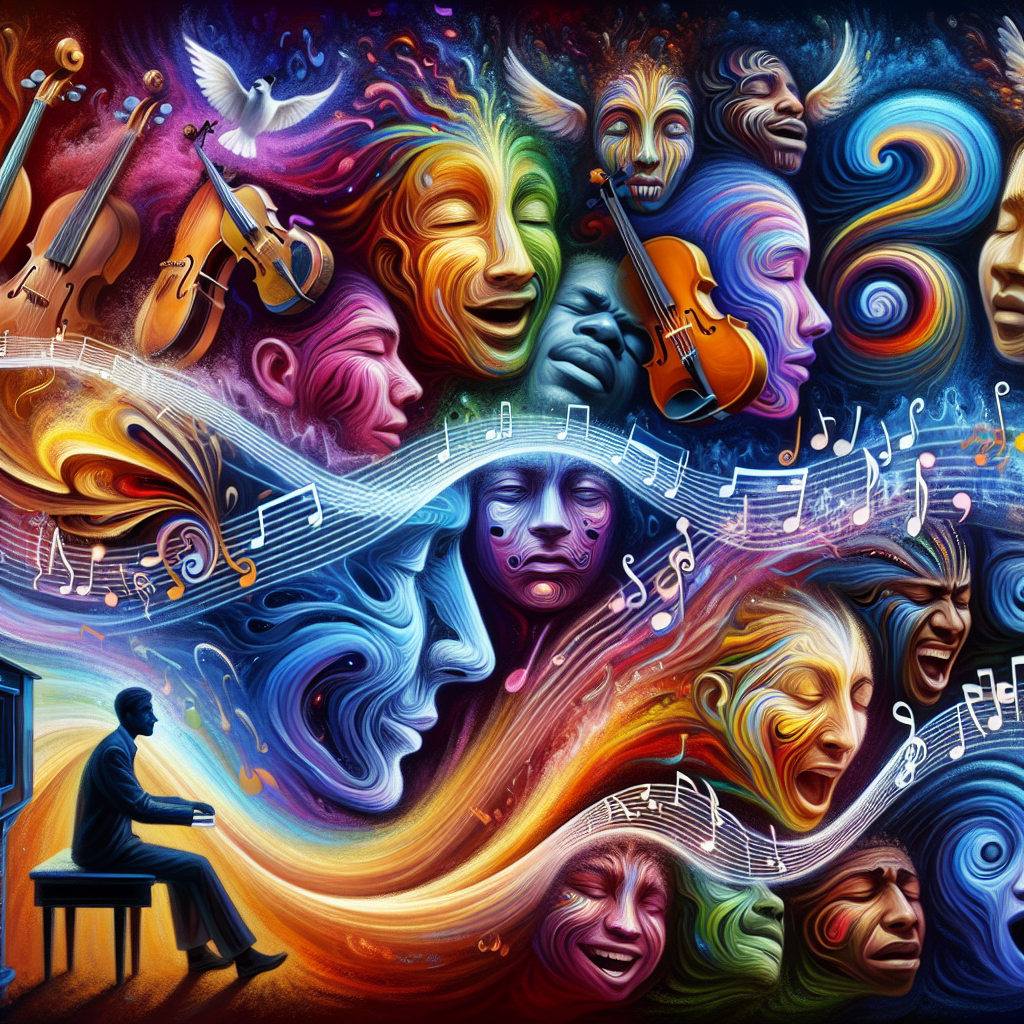
The Profound Connection Between Music and Emotion
Introduction
Music is a universal language that transcends cultural and linguistic barriers, resonating with individuals on a deeply emotional level. From the rhythmic beats of a drum to the harmonious melodies of a symphony, music has the power to evoke a wide range of emotions, from joy and excitement to sadness and nostalgia. This article explores the intricate relationship between music and emotion, examining how music influences our feelings and why it holds such a powerful sway over our emotional states.
The Science Behind Music and Emotion
Understanding the connection between music and emotion requires delving into the science of sound and the brain’s response to auditory stimuli. When we listen to music, our brains process the sound waves, which are then interpreted as musical notes. This process involves several areas of the brain, including the auditory cortex, which is responsible for processing sound, and the limbic system, which is associated with emotion and memory.
– The Auditory Cortex: This part of the brain is crucial for processing the basic elements of music, such as pitch, tempo, and rhythm. It helps us recognize melodies and harmonies, laying the groundwork for emotional interpretation.
– The Limbic System: Often referred to as the emotional brain, the limbic system plays a key role in how we experience emotions. It includes structures such as the amygdala and hippocampus, which are involved in emotional processing and memory formation.
– The Dopaminergic System: Music can trigger the release of dopamine, a neurotransmitter associated with pleasure and reward. This release can lead to feelings of euphoria and emotional satisfaction.
The Emotional Impact of Music
Music’s ability to evoke emotion is not merely a subjective experience; it is rooted in the physiological response of our bodies and brains. Different musical elements can elicit specific emotional reactions, making music a powerful tool for emotional expression and regulation.
Melody and Harmony
Melody and harmony are fundamental components of music that significantly influence our emotional responses. A melody is a sequence of notes that is perceived as a single entity, while harmony refers to the combination of different musical notes played simultaneously.
– Major and Minor Scales: Major scales often evoke feelings of happiness and positivity, while minor scales are commonly associated with sadness and melancholy. This is due to the inherent tonal qualities of these scales, which affect our emotional perception.
– Consonance and Dissonance: Consonant harmonies, which are pleasing to the ear, tend to evoke feelings of calmness and relaxation. In contrast, dissonant harmonies, which create tension, can evoke feelings of unease or excitement.
Rhythm and Tempo
Rhythm and tempo are also crucial in shaping our emotional responses to music. Rhythm refers to the pattern of beats in a piece of music, while tempo is the speed at which the music is played.
– Fast Tempo: Music with a fast tempo can increase heart rate and energy levels, often evoking feelings of excitement or joy.
– Slow Tempo: Slow-tempo music can have a calming effect, leading to feelings of relaxation or introspection.
– Syncopation: Rhythmic syncopation, where unexpected beats occur, can create a sense of surprise or intrigue, enhancing the emotional impact of the music.
Lyrics and Emotional Expression
While instrumental music can evoke powerful emotions, the addition of lyrics adds another layer of emotional depth. Lyrics allow artists to convey specific messages and stories, resonating with listeners on a personal level.
– Storytelling: Songs that tell a story can evoke emotions by creating a narrative that listeners can relate to or empathize with.
– Emotional Themes: Lyrics that explore universal themes such as love, loss, and hope can resonate deeply with listeners, evoking a range of emotions.
– Vocal Expression: The way a singer delivers a song, through tone, pitch, and dynamics, can greatly influence the emotional impact of the lyrics.
Cultural and Personal Influences
The emotional connection to music is not only influenced by its structural elements but also by cultural and personal factors. Music is deeply embedded in cultural traditions and personal experiences, shaping how individuals perceive and respond to it emotionally.
Cultural Context
Different cultures have unique musical traditions that evoke specific emotions. The cultural context in which music is created and experienced can significantly influence its emotional impact.
– Cultural Associations: Certain musical styles or instruments may be associated with specific emotions within a cultural context. For example, the sound of a sitar may evoke a sense of spirituality in Indian culture.
– Ritual and Tradition: Music often plays a central role in cultural rituals and ceremonies, evoking emotions tied to communal experiences and shared histories.
Personal Experiences
An individual’s personal experiences and memories can also shape their emotional response to music. Music has the power to trigger memories and evoke emotions associated with past events.
– Nostalgia: Hearing a song from one’s childhood or a significant life event can evoke feelings of nostalgia and transport the listener back to that time.
– Personal Associations: Individuals may associate certain songs or genres with specific emotions based on personal experiences, such as associating a love song with a romantic relationship.
The Therapeutic Role of Music
Given its profound emotional impact, music has been widely used in therapeutic settings to promote emotional well-being and healing. Music therapy is an established field that harnesses the power of music to address emotional, cognitive, and social needs.
Benefits of Music Therapy
Music therapy can provide numerous benefits, particularly for individuals dealing with emotional or psychological challenges.
– Emotional Expression: Music provides a safe and creative outlet for expressing emotions that may be difficult to articulate verbally.
– Stress Reduction: Listening to calming music can reduce stress and anxiety levels, promoting relaxation and emotional balance.
– Mood Enhancement: Engaging with uplifting music can improve mood and increase feelings of happiness and positivity.
– Memory and Cognition: Music therapy can enhance memory and cognitive function, particularly in individuals with neurological conditions such as Alzheimer’s disease.
Applications of Music Therapy
Music therapy is used in a variety of settings, from hospitals and rehabilitation centers to schools and community programs.
– Clinical Settings: Music therapy is often used in hospitals to support patients undergoing medical treatment, providing emotional comfort and pain relief.
– Educational Settings: In schools, music therapy can support students with special needs, helping them develop social skills and emotional regulation.
– Community Programs: Community-based music therapy programs can promote social connection and emotional well-being among diverse populations.
Conclusion
The connection between music and emotion is a testament to the profound impact that music has on the human experience. Through its complex interplay of melody, harmony, rhythm, and lyrics, music has the power to evoke a wide range of emotions, resonating with individuals on both a cultural and personal level. As a universal language, music transcends boundaries, offering a unique avenue for emotional expression, healing, and connection. Whether experienced in a concert hall, a therapeutic setting, or the privacy of one’s home, the emotional power of music continues to enrich our lives and deepen our understanding of the human condition.
