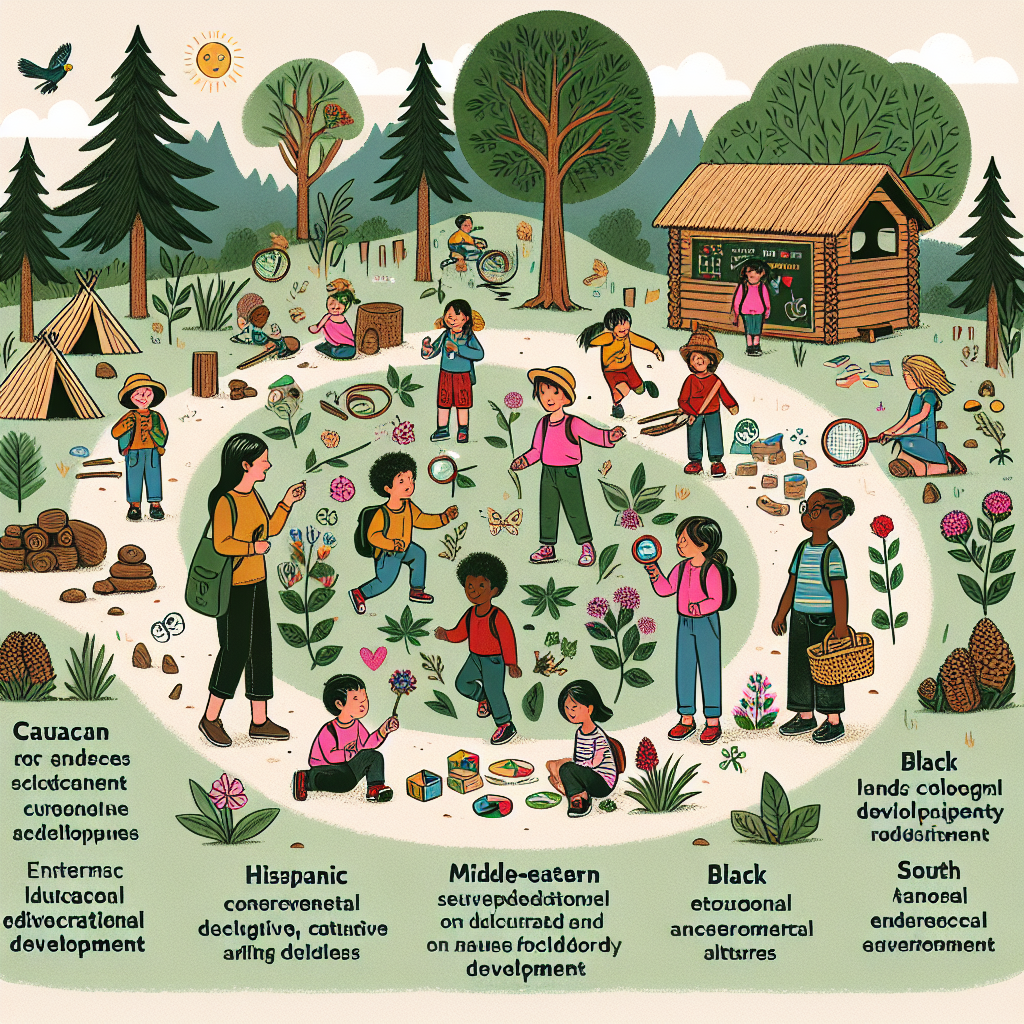
Exploring the Connection Between Forest Schools and Early Childhood Development
Introduction
In recent years, forest schools have gained significant attention as innovative educational settings that emphasize outdoor learning and play. These schools offer children unique opportunities to engage with nature, fostering their physical, emotional, and cognitive development. This article delves into the connection between forest schools and early childhood development, examining the benefits and challenges of this educational approach, and highlighting its potential to shape the future of early childhood education.
The Philosophy of Forest Schools
Forest schools originated in Scandinavia in the 1950s and have since spread across the globe. The core philosophy of forest schools is rooted in experiential learning, where children are encouraged to explore and interact with the natural environment. This educational model is based on the belief that outdoor experiences are crucial for holistic development, promoting resilience, creativity, and independence.
Key Principles of Forest Schools
– Child-centered learning: Forest schools prioritize the interests and needs of the child, allowing them to take the lead in their learning experiences.
– Nature as a classroom: The natural environment serves as the primary learning space, providing endless opportunities for exploration and discovery.
– Holistic development: Forest schools aim to nurture all aspects of a child’s development, including physical, emotional, social, and cognitive growth.
– Risk-taking and resilience: Children are encouraged to take calculated risks, fostering resilience and problem-solving skills.
– Long-term engagement: Forest schools emphasize regular and sustained interactions with nature, promoting a deep connection with the environment.
The Impact of Forest Schools on Physical Development
One of the most significant benefits of forest schools is their impact on children’s physical development. The outdoor setting encourages active play, which is essential for developing motor skills, coordination, and overall physical health.
Enhancing Motor Skills
– Gross motor skills: Activities such as climbing trees, balancing on logs, and running on uneven terrain help children develop strength, balance, and coordination.
– Fine motor skills: Tasks like picking up small objects, threading leaves, and building structures with natural materials enhance dexterity and hand-eye coordination.
Promoting Physical Health
– Increased physical activity: The outdoor environment naturally encourages movement and exercise, reducing the risk of childhood obesity and related health issues.
– Exposure to fresh air: Spending time outdoors improves respiratory health and boosts the immune system.
The Role of Forest Schools in Emotional and Social Development
Forest schools provide a nurturing environment that supports children’s emotional and social development. The freedom to explore and take risks in a safe setting builds confidence and self-esteem, while interactions with peers foster social skills and cooperation.
Building Confidence and Self-Esteem
– Risk-taking: Children learn to assess and take risks, which helps them develop confidence in their abilities.
– Achievement: Completing challenging tasks and overcoming obstacles boosts self-esteem and a sense of accomplishment.
Enhancing Social Skills
– Collaboration: Group activities and shared experiences promote teamwork, communication, and conflict resolution skills.
– Empathy and respect: Interacting with diverse peers and the natural environment fosters empathy, respect, and understanding.
Cognitive Benefits of Forest Schools
Forest schools offer rich cognitive benefits, as the natural environment stimulates curiosity, creativity, and critical thinking. The hands-on, experiential learning approach encourages children to engage deeply with their surroundings, enhancing their cognitive development.
Stimulating Curiosity and Creativity
– Exploration and discovery: The ever-changing natural environment provides endless opportunities for exploration, sparking curiosity and creativity.
– Problem-solving: Engaging with nature challenges children to think critically and solve problems, fostering cognitive growth.
Enhancing Focus and Attention
– Reduced distractions: The natural setting minimizes distractions, allowing children to focus and engage more deeply with their learning experiences.
– Mindfulness: Spending time in nature promotes mindfulness and concentration, improving attention spans.
Challenges and Considerations in Implementing Forest Schools
While forest schools offer numerous benefits, there are also challenges and considerations that educators and policymakers must address to ensure their successful implementation.
Safety Concerns
– Risk management: Educators must balance the benefits of risk-taking with the need to ensure children’s safety, requiring careful planning and supervision.
– Environmental hazards: Natural settings may pose hazards such as uneven terrain, water bodies, and wildlife, necessitating thorough risk assessments and safety protocols.
Access and Inclusivity
– Accessibility: Ensuring all children have access to forest schools requires addressing barriers such as location, transportation, and financial constraints.
– Inclusivity: Forest schools must be inclusive and accommodating to children with diverse needs and abilities, requiring adaptable activities and environments.
Training and Resources
– Educator training: Effective implementation of forest schools requires educators to be trained in outdoor education, risk management, and child development.
– Resource allocation: Adequate funding and resources are essential for maintaining safe and engaging outdoor learning environments.
The Future of Forest Schools in Early Childhood Education
As the benefits of forest schools become increasingly recognized, there is potential for this educational approach to play a more significant role in the future of early childhood education. By integrating the principles of forest schools into mainstream education, we can create more holistic, engaging, and effective learning experiences for young children.
Integrating Forest School Principles
– Curriculum development: Incorporating outdoor learning and play into early childhood curricula can enhance children’s development and well-being.
– Policy support: Policymakers can support the growth of forest schools by providing funding, resources, and training for educators.
Promoting Environmental Stewardship
– Fostering connection: By nurturing a deep connection with nature, forest schools can inspire a sense of environmental stewardship and responsibility in young children.
– Sustainable practices: Educators can model and teach sustainable practices, encouraging children to care for and protect the environment.
Conclusion
Forest schools offer a unique and valuable approach to early childhood education, fostering holistic development through outdoor learning and play. By exploring the connection between forest schools and early childhood development, this article highlights the numerous benefits of this educational model, as well as the challenges and considerations involved in its implementation. As we look to the future, integrating the principles of forest schools into mainstream education holds the potential to create more enriching and effective learning experiences for children, while also promoting a lifelong connection with nature.
