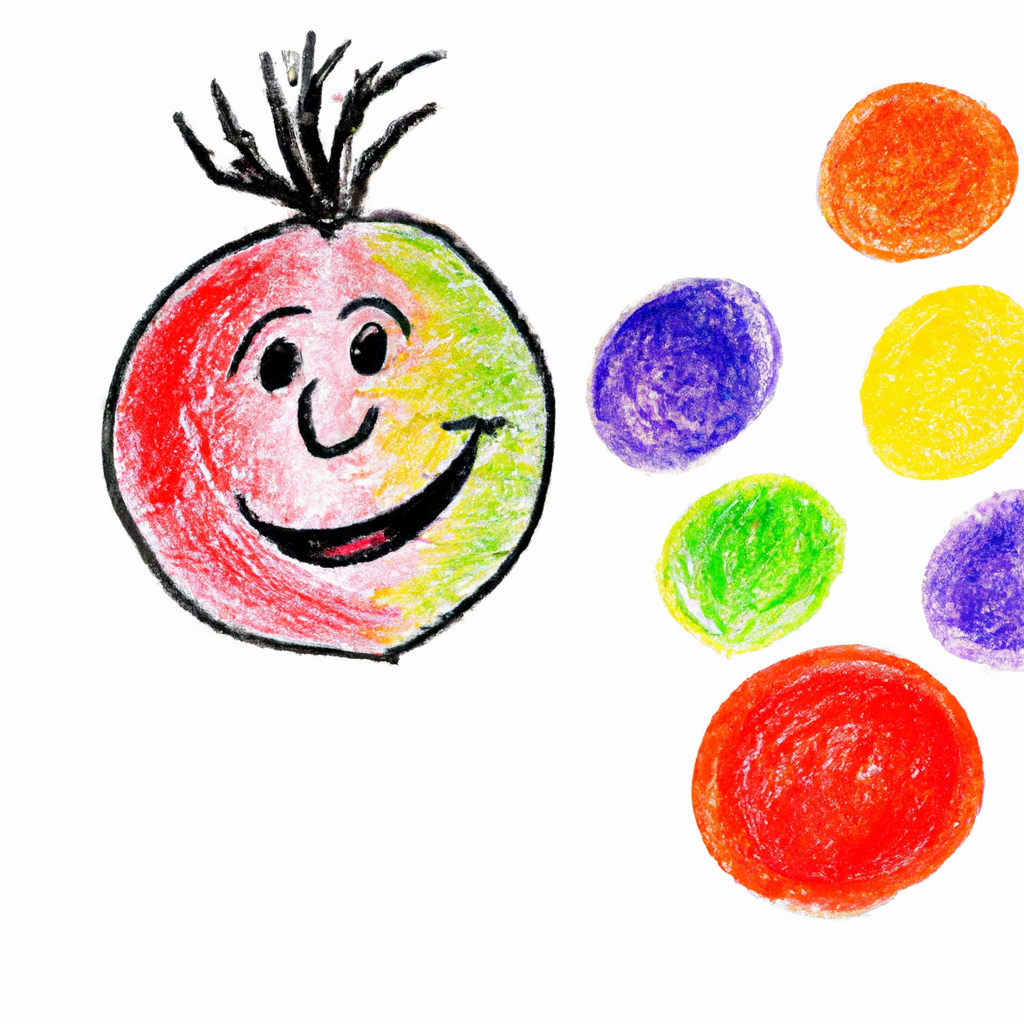
The Importance of Nutrition in Regulating Mood and Happiness
In our daily life, food is not merely a source of fuel; it is also a cornucopia of multifaceted interactions involving physical health, mental health, cultural norms, and social dynamics. For instance, a delicious meal can set the tone for a meaningful gathering or satisfy our physical needs after a strenuous workout. But most importantly, certain types of food can influence our emotional state. This enigmatic connection between food and mood is nothing new; it is grounded in science and can significantly affect our levels of happiness.
Understanding the Concept of Food-Mood Connection
The concept of food directly influencing mood and happiness might seem like a contemporary idea, thanks to the escalated interest in health and wellness. However, the understanding of this intricate relationship traces back to ancient traditional medicinal practices which preach the significance of food to harmonize the body, mind, and spirit.
• The Gut-Brain Axis: In the context of modern science, the food-mood connection is explained through the gut-brain axis—a bidirectional communication channel linking the gastrointestinal tract and the brain. When we consume food, the types of nutrients we intake can trigger different chemical responses impacting our brain’s function and, consequently, our mood and overall happiness.
• The Role of Serotonin: To understand how food influences mood, it is important to explore the role of an important neurotransmitter called serotonin. It helps regulate sleep, appetite, and most notably, moods. Approximately 95% of serotonin is produced in our gut, which explains why gut health can play an influential role in our mood and mental health.
Food Components Affecting Mood and Happiness
Several food components are directly associated with the production of serotonin, a mood-regulating compound. Their consumption can help our body maintain adequate serotonin levels, fostering an overall sense of wellbeing and happiness.
• Tryptophan: Tryptophan is an essential amino acid that aids in the production of serotonin. Foods rich in tryptophan include poultry, eggs, cheese, fish, peanuts, and pumpkin seeds.
• Omega-3 Fatty Acids: Omega-3 fatty acids are known for their significant role in cognitive function and mental health. These healthy fats can be found in fatty fish, walnuts, flaxseeds, and chia seeds.
• Vitamins B6 and B12: These vitamins play a vital role in brain function and mood regulation. Deficiencies can lead to depression and other mood disorders. These vitamins can be found in meats, whole grains, vegetables, nuts, and seafood.
Connecting Nutrition, Mood, and Happiness
Eating is a sensory experience that involves taste, texture, aroma, and visual appeal. Therefore, how we feel before, during, and after eating can significantly impact our overall mood and happiness.
• Happy Meals: Enjoying our favorite comfort food can elicit feelings of happiness, nostalgia, and satisfaction. Food can act as a powerful emotional cue, triggering memories and emotions associated with certain dishes.
• Balanced Diet: Maintaining a balanced diet can regulate our mood and floor the ground for a happier mental state. This includes a diet rich in fruits, vegetables, whole grains, lean protein, and limited sugars and unhealthy fats.
• Food and Body Image: The foods we eat also contribute to our body image, which in turn, affects our mood and satisfaction. Overindulging or under-eating can lead to guilt, low self-esteem, and unhappiness.
Practical Tips to Maximize the Food-Mood Connection
Implementing practical nutritional strategies can help us harness the food-mood connection for our benefit of achieving better health and happiness.
• Prioritize Whole Foods: Whole foods are packed with vital nutrients that promote a healthier gut-brain axis, enhancing mood and overall wellbeing.
• Practice Mindful Eating: When we focus on the taste, texture, and aroma of food, we tend to enjoy our meals more and experience heightened feelings of satisfaction and happiness.
• Stay Hydrated: Dehydration can lead to feelings of tiredness and confusion, which can affect mood. Staying hydrated keeps our body and brain functioning optimally, promoting a positive mood.
• Regular Exercise: Physical activity complements nutritional strategies, promoting the release of endorphins—the body’s natural “feel-good” chemicals that enhance happiness.
The correlation between nutrition, mood, and happiness extends beyond the confines of physiological explanations. It paves the way for a more holistic approach to health and wellness, intertwining physical health with mental and emotional wellbeing. By making mindful food choices, we can manage a better mood, foster a positive mindset, and tread a path towards greater happiness.
In conclusion, every bite we take is an opportunity to nourish our body, brain, and soul. While the spectrum of human emotions is far broader and deeper than just the food we consume, understanding and leveraging the food-mood connection can play a small yet significant part in the larger puzzle of our happiness.
