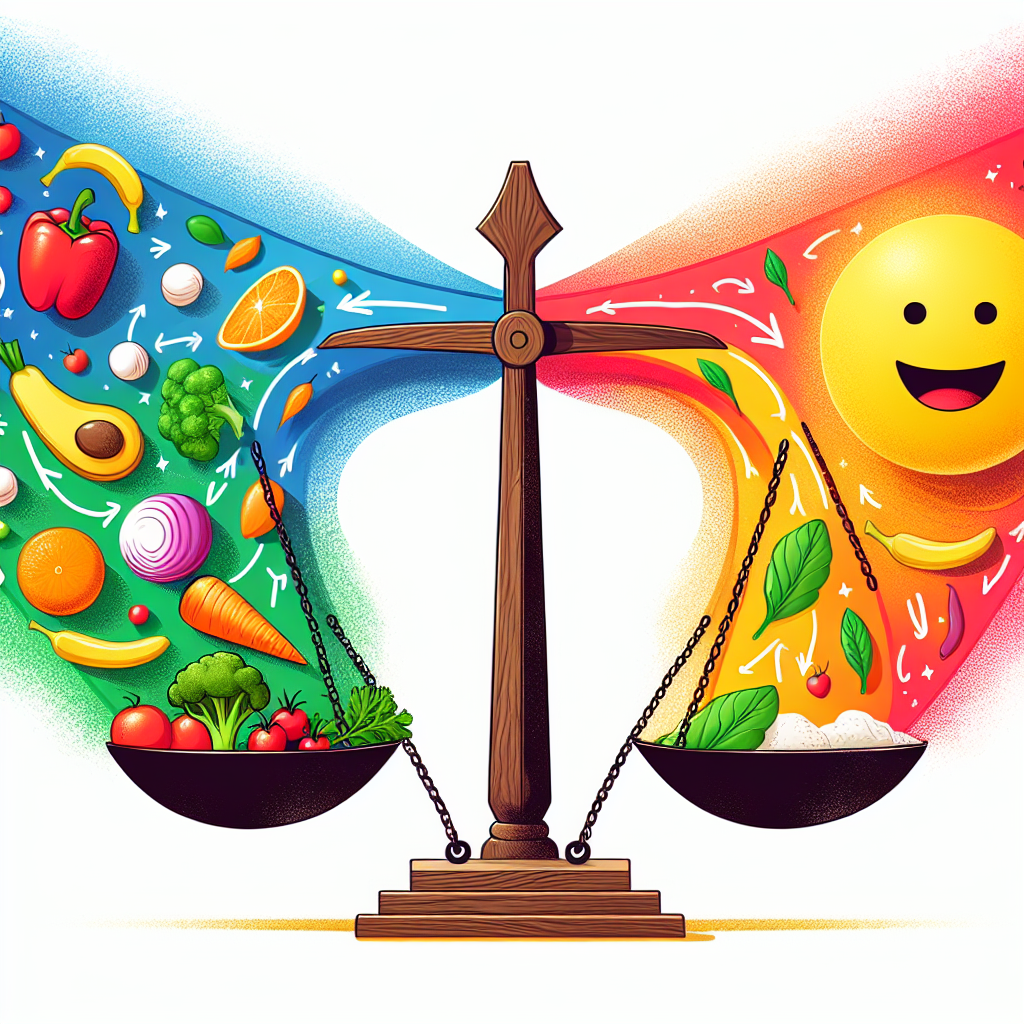
A profusion of research nowadays suggests a detailed and intricate link between the food we consume and our overall mood. Essentially, the quintessence of our happiness lies in our gut. While most of us perceive food as a means to satiate our physical hunger, the reality stretches beyond that notion encompassing our mental satisfaction. Precisely, by making certain tweaks in our dietary routines, we can inch towards a happier and healthier lifestyle.
Understanding the Correlation Between Food and Mood
Scientists are diving deep into the hypothesis to explore and comprehend the association between food and mood. A breakthrough in this area is acknowledging food not as a simple source of proteins, fats, carbohydrates and essential minerals, but as chemical substances impacting our biochemical pathways. So in layman’s terms, what we eat directly affects the function and structure of our brains, eventually influencing our moods.
Linking Food to ‘Feeling Good’
The understanding of how food induces a ‘feel good’ effect lies within the realms of BDNF (Brain-Derived Neurotrophic Factor) and Serotonin.
1. BDNF: Our brain continually forms new cells – a process known as neurogenesis. This process is facilitated and regulated by BDNF. Foods rich in antioxidants like fruits and vegetables are a potent source to increase BDNF levels.
2. Serotonin: This is a neurotransmitter responsible for maintaining mood balance. An imbalance in Serotonin levels often causes depression. An amino acid called tryptophan helps in the production of Serotonin. Foods rich in tryptophan include eggs, cheese, tofu and nuts.
The Gut-Brain Connection
The gut and brain have a symbiotic relationship. Though we are all familiar with the term ‘gut feeling’, it turns out that this connection might be more than a metaphor. Our gut microbiota (healthy bacteria), or gut flora, plays a crucial role in determining our physical and psychological well-being. An imbalance in the gut microbiota due to an unhealthy diet may lead to mental health issues like depression and anxiety. Eating probiotic-rich foods like natural yogurt, pickles, and kimchi can aid in maintaining healthy gut flora.
Nutritional Psychiatry: The Emerging Field
Integrating the realms of nutrition and psychiatry, the new field of nutritional psychiatry posits that our diet is as important to our psychiatric well-being as it is to our physical health. So, a diet featuring lean proteins, fruits, vegetables, whole grains, and healthy fats will not just keep your body healthy, it will also fuel your brain and mood. Key staples of such a diet are:
• Omega-3 fatty acids: Foods like fatty fish (e.g., salmon), flaxseeds, and walnuts have Omega-3 that can help control mood swings and fight chronic depression.
• Vitamin D: It’s often called the ‘sunshine vitamin’, but it can also be found in foods. Vitamin D deficiency may lead to depression. Foods like fatty fish, beef liver, and egg yolks are rich in Vitamin D.
• Proteins: Foods rich in lean protein, like turkey, chicken, yogurt, and beans, are high in tyrosine. It increases the production of neurotransmitters norepinephrine and dopamine, which are associated with alertness and energy.
Understanding Emotional Eating
An emotional response can drive food choices. We’ve all heard about ‘comfort foods’ – foods we turn to alleviate stress, sadness, or loneliness. While emotional eating originates from the concept of food acting as an emotional filler, often such food choices end up being unhealthy.
Avoiding such patterns is crucial and can be done by switching to healthier substitutes, understanding your triggers, and incorporating mindfulness. Remember, a little indulgence is fine as long as the core of your diet is balanced and nutritious!
The Benefits of ‘Eating the Rainbow’
Consuming a diet rich in varied fruit and vegetable colors ensures a wide spectrum of nutrients. It engages us on a visual, tasteful, and nutritional level and helps the body maintain balance and health.
• Red fruits and vegetables like tomatoes and strawberries indicate lycopene and anthocyanins.
• Orange and yellow foods like sweet potatoes and mangoes are rich in carotenoids.
• Greens like spinach and kale indicate various beneficial chemicals like the antioxidant lutein.
• Blues and purples like blueberries and plums showcase anthocyanin, a powerful antioxidant.
• White foods like onions and garlic signify various helpful phytochemicals.
Moderation is the Key
Remember that ‘healthy eating’ doesn’t mean banning ‘fun foods’ from your life. Balance, variety, and moderation are the keys to a happy diet and a happy mind. An occasional indulgence in a few favorite treats is perfectly healthy. Simultaneously, avoid defining foods as ‘good’ or ‘bad’, and aim to have a balanced intake.
In conclusion, there is indeed a strong connection between food and mood. The positive impacts of a balanced diet manifest in our physical health, mental well-being, and overall happiness. It’s time to break the cycle of an unhealthy diet and step towards nutrition for happiness! Eating well is living well. As scientific understanding continues to evolve, we can be more mindful of our eating habits and embrace the fact that the road to happiness truly does pass through the stomach.
