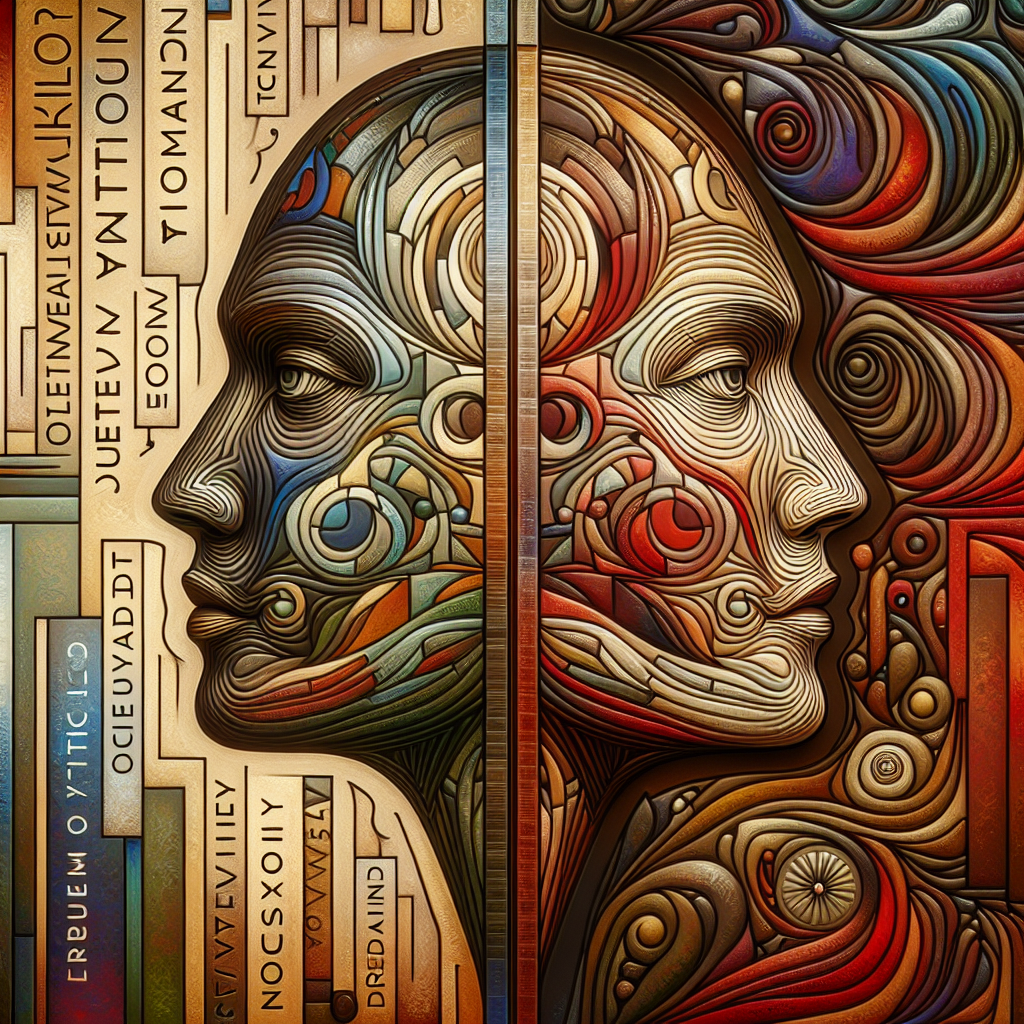
Embracing Contradictions in Your Personality: A Pathway to Self-Understanding and Growth
Understanding the Complexity of Personality
Human personalities are intricate tapestries woven from a variety of experiences, beliefs, values, and emotional responses. Rarely do individuals fit neatly into categories or exhibit consistent behaviors across all situations. Instead, most people discover that they possess qualities which can appear, at first glance, to be inconsistent or even contradictory. For example, someone may be both outgoing and private, adventurous and cautious, or optimistic yet skeptical. Embracing these apparent contradictions is not only natural but essential for authentic self-development.
The Myth of Consistency
Modern culture often venerates consistency as a hallmark of integrity and reliability. From ancient philosophical traditions to contemporary self-help literature, there is an enduring emphasis on the value of being steadfast in one’s character and beliefs. However, strict adherence to internal consistency can feel artificial and restrictive. In reality, a healthy personality is dynamic and flexible, adapting to changing circumstances and new information.
Why Contradictions Matter
Contradictions within one’s personality are not signs of weakness or duplicity. Rather, they reflect the complexity of human experience. Each person plays multiple roles in life. A dedicated professional may also be a playful parent; someone generally reserved may find themselves animated and expressive in certain settings.
Embracing contradictions brings several distinct advantages:
- Encourages deeper self-reflection
- Fosters emotional resilience
- Allows for authentic personal growth
- Enhances adaptability and creative problem-solving
Sources of Contradiction in Personality
Contradictions arise for many reasons, all contributing to the richness of individuality.
Contextual Influences
The way a person behaves or responds to situations often depends on context. A person who is assertive at work may be more reserved in social settings. This contextual flexibility is not hypocrisy; it is a reflection of nuanced understanding and adaptation.
Personal Growth and Change
As people accumulate new experiences, beliefs and perspectives inevitably shift. Traits that were once dominant may become less pronounced, while others come to the forefront. Embracing this evolution is critical for lifelong self-development.
Core Values and Competing Goals
Sometimes different values within an individual may conflict. For example, the desire for independence may clash with the need for connection. These internal tensions are not only normal but necessary for making thoughtful decisions.
The Role of Cognitive Dissonance
Cognitive dissonance is the mental discomfort experienced when holding two or more conflicting beliefs, values, or attitudes. While uncomfortable, this tension often motivates reflection and growth. Rather than avoiding or suppressing contradictions, acknowledging them provides opportunities to reconcile differences and integrate new insights.
Moving From Fear to Acceptance
Many people feel uneasy when they notice inconsistencies within themselves, fearing that such contradictions indicate confusion or inauthenticity. In truth, the ability to sit with paradox is a mark of psychological maturity. Accepting contradictions requires self-compassion and a willingness to explore one’s full range of thoughts and emotions.
Pathways for Embracing Contradictions
To harness the potential within your contradictions, consider the following strategies:
Practice Self-Awareness
Cultivating a habit of honest introspection helps track thoughts, feelings, and behaviors over time. Keep a journal or reflect regularly on moments when contradictory tendencies arise. Ask yourself what circumstances contributed to these shifts and what values were at play.
Reframe Contradictions as Strengths
Rather than viewing inconsistencies as flaws, reinterpret them as strengths. For instance, the capacity to balance optimism with realism can lead to wise decision-making. Flexibility and adaptability are essential qualities in a changing world.
Seek Feedback and Diverse Perspectives
Conversations with trusted friends, family, or mentors can provide insight into the ways others perceive your actions and attitudes. This external input can illuminate blind spots and help integrate different aspects of your personality.
Set Flexible Goals
Effective personal growth includes both commitment and adaptability. Establish clear goals but leave room for course correction as your understandings and priorities evolve. This approach fosters resilience and prevents rigid thinking.
Reflect on Past Contradictions
Consider moments in your life when you held views or acted in ways that you later outgrew or re-evaluated. What prompted those changes? How did embracing these transitions contribute to your sense of identity?
The Benefits of Accepting Contradictions
Accepting the full spectrum of your personality can yield several profound benefits.
Greater Self-Acceptance
Making peace with internal contradictions reduces the shame or guilt that often accompanies perceived inconsistencies. This self-acceptance fosters inner harmony and confidence.
Improved Relationships
When individuals accept their own complexity, they are better able to appreciate the nuances in others. This open-mindedness leads to more compassionate and authentic connections.
Enhanced Problem-Solving and Creativity
Balancing opposing viewpoints, whether internal or external, stimulates innovative thinking. The willingness to entertain different perspectives increases one’s ability to address challenges from multiple angles.
Personal Growth and Emotional Resilience
Each time you navigate and integrate conflicting aspects of your personality, you build resilience. This capacity allows you to cope with life’s uncertainties and adapt constructively to change.
Common Contradictions and How to Navigate Them
Some paradoxes are especially common in modern life. Understanding and embracing these can lead to richer self-understanding.
The Balance Between Independence and Connection
Humans crave both autonomy and a sense of belonging. At times, the desire for freedom may pull you in the opposite direction of your need for community. Recognize that both are valid and seek balance through mindful boundaries and open communication.
The Interplay of Optimism and Realism
It is possible to maintain hopeful aspirations while also acknowledging potential obstacles. Practicing informed optimism enables you to dream big while planning realistically.
Pursuing Stability and Embracing Change
Stability offers comfort and security, while change provides opportunities for growth and excitement. Embrace a mindset that values both routine and new experiences, adapting as circumstances require.
Expressing Vulnerability With Strength
Vulnerability is often associated with weakness. In reality, sharing your authentic self requires immense courage. Strong individuals are those who are able to be vulnerable while maintaining boundaries.
Strategies for Cultivating a Harmonious Self
Develop Emotional Intelligence
Invest in developing your emotional awareness and regulation skills. Recognize your feelings without judgment and explore what triggers different responses in you.
Embrace Lifelong Learning
Stay open to new ideas and ways of being. Take time to explore literature, art, and conversations that challenge your existing worldviews.
Allow Space for Evolution
Give yourself permission to evolve. Growth often requires letting go of former versions of yourself. Celebrate the transformation, recognizing it as a natural process.
Seek Professional Support if Needed
If you struggle to reconcile contradictions in your personality to the extent that it causes significant distress, consider reaching out to a therapist or counselor. Professional support can offer guidance and validation as you navigate complex emotions.
Practical Exercises for Integrating Contradictions
Journaling Prompts
- Reflect on a recent time when you behaved differently from how you expected. What factors contributed to your response
- Write about a belief you once held strongly but later changed. How did this shift affect your self-view
Mindfulness and Meditation
Regular mindfulness practice can help you observe your thoughts and feelings without immediately rushing to judgment. Create a routine that allows you to sit quietly and notice the ebb and flow of your internal states.
Self-Compassion Practices
Speak to yourself with kindness, especially when noticing conflicting emotions or impulses. Remind yourself that being multifaceted is not only acceptable but also human.
Connecting With Others’ Stories
Read or listen to stories of other individuals who have navigated similar internal contradictions. Recognizing common humanity in these experiences can lessen feelings of isolation or confusion.
Conclusion: Integrating Complexity as a Strength
Diversity within your personality is not a problem to be solved but a reality to be celebrated. As you learn to embrace contradictions in your thoughts, feelings, and behaviors, you unlock the potential for greater authenticity, adaptability, and personal fulfillment. The journey toward integration is ongoing and requires patience, curiosity, and courage. By accepting the whole of who you are, in all your complexity, you lay the foundation for a life marked by creativity, resilience, and deep self-understanding.
