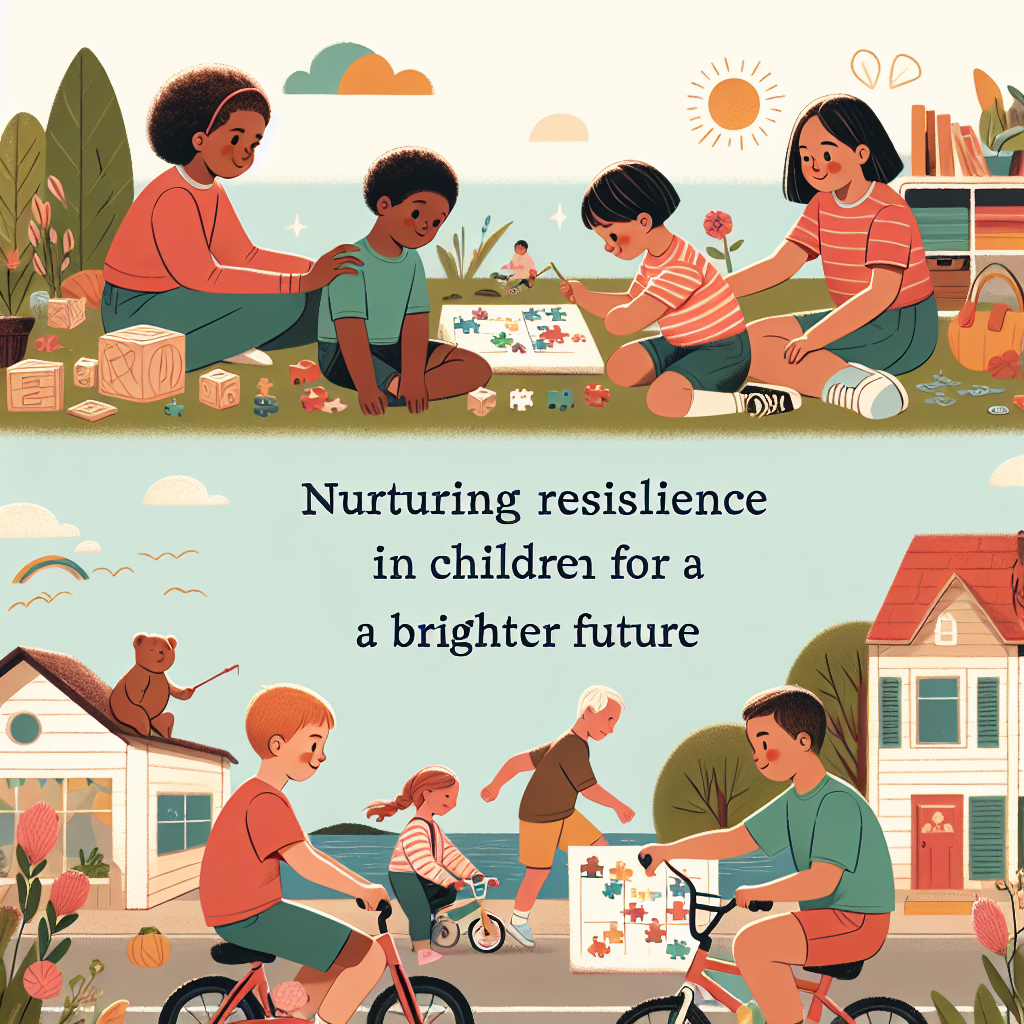
Cultivating Resilience in Children: Preparing Them for a Happy Future
Introduction
In an ever-evolving world, the ability to adapt and thrive amidst challenges is a crucial skill. Resilience, often described as the capacity to recover quickly from difficulties, is an essential trait that can significantly impact a child’s future happiness and success. As parents, educators, and caregivers, fostering resilience in children should be a top priority. This article explores the importance of resilience, the factors that contribute to its development, and practical strategies to cultivate it in children.
Understanding Resilience
Defining Resilience
Resilience is not an innate trait but a dynamic process that involves positive adaptation in the face of adversity. It encompasses emotional strength, mental flexibility, and the ability to navigate life’s ups and downs. Resilient children are better equipped to handle stress, overcome obstacles, and maintain a positive outlook even in challenging situations.
The Importance of Resilience
Resilience is a key determinant of mental health and well-being. Children who develop resilience are more likely to become confident, self-reliant, and capable adults. They are better prepared to face life’s uncertainties, build strong relationships, and achieve their goals. Furthermore, resilience is linked to improved academic performance, reduced risk of mental health issues, and enhanced problem-solving skills.
Factors Influencing Resilience Development
Family Environment
The family environment plays a pivotal role in shaping a child’s resilience. Supportive and nurturing family relationships provide a secure base from which children can explore the world and develop coping mechanisms. Open communication, emotional warmth, and consistent discipline contribute to a child’s sense of security and self-worth.
Social Support
A strong social support network, including friends, teachers, and community members, can bolster a child’s resilience. Positive social interactions provide opportunities for learning, sharing experiences, and receiving encouragement. Children who feel connected to supportive communities are more likely to develop a sense of belonging and confidence.
Personal Attributes
Certain personal attributes can enhance a child’s resilience. These include a positive self-image, optimism, and a growth mindset. Children who believe in their abilities and view challenges as opportunities for growth are more likely to persevere in the face of adversity. Encouraging these traits can help children build a resilient mindset.
Strategies for Cultivating Resilience
Fostering Emotional Intelligence
Emotional intelligence is the ability to recognize, understand, and manage one’s emotions. It is a cornerstone of resilience. By teaching children to identify and express their emotions, caregivers can help them develop emotional regulation skills.
– Encourage children to label their emotions and discuss how they feel.
– Model healthy emotional expression and coping strategies.
– Provide a safe space for children to express their feelings without judgment.
Promoting Problem-Solving Skills
Problem-solving skills empower children to tackle challenges head-on. By guiding them through the process of identifying problems, brainstorming solutions, and evaluating outcomes, caregivers can enhance their resilience.
– Encourage children to think critically and explore multiple solutions.
– Allow them to experience failure and learn from mistakes.
– Celebrate their efforts and successes, reinforcing a sense of accomplishment.
Building Strong Relationships
Healthy relationships are a cornerstone of resilience. By fostering connections with family, peers, and mentors, children can develop a support system that nurtures their growth.
– Encourage participation in group activities and social events.
– Teach empathy, active listening, and effective communication.
– Model respectful and supportive relationships in daily interactions.
Encouraging a Growth Mindset
A growth mindset, the belief that abilities can be developed through effort and learning, is closely linked to resilience. Children with a growth mindset are more likely to embrace challenges and persist in the face of setbacks.
– Praise effort and perseverance rather than innate talent.
– Encourage children to view failures as opportunities for growth.
– Provide challenges that stretch their abilities and build confidence.
Balancing Structure and Freedom
Children need a balance of structure and freedom to develop resilience. While routines and boundaries provide a sense of security, opportunities for autonomy foster independence and self-reliance.
– Establish consistent routines and clear expectations.
– Allow children to make choices and take responsibility for their actions.
– Encourage exploration and creativity within safe boundaries.
The Role of Education in Building Resilience
Incorporating Resilience into Curriculum
Educational institutions play a vital role in fostering resilience. By incorporating resilience-building activities into the curriculum, schools can equip children with essential life skills.
– Implement programs that teach emotional regulation and stress management.
– Encourage collaborative projects that promote teamwork and problem-solving.
– Provide opportunities for students to reflect on their experiences and learn from them.
Training Educators
Educators are instrumental in shaping a child’s resilience. By training teachers to recognize and nurture resilience, schools can create a supportive learning environment.
– Offer professional development workshops on resilience-building strategies.
– Encourage teachers to model resilience through their behavior and attitudes.
– Provide resources and support for educators to address students’ emotional needs.
Creating a Supportive School Environment
A positive school environment is conducive to resilience development. Schools can create a culture of support and inclusivity that fosters students’ well-being.
– Promote a sense of belonging through inclusive policies and practices.
– Encourage peer mentoring and support networks.
– Address bullying and discrimination promptly and effectively.
The Role of Technology in Resilience Development
Harnessing Technology Positively
In today’s digital age, technology can be both a challenge and an opportunity for resilience development. By harnessing technology positively, caregivers can support children’s growth.
– Encourage the use of educational apps and platforms that promote problem-solving and critical thinking.
– Monitor screen time and ensure a healthy balance between online and offline activities.
– Teach digital literacy skills to help children navigate online challenges responsibly.
Addressing Cyberbullying
Cyberbullying is a significant threat to children’s resilience. By addressing cyberbullying proactively, caregivers can protect children and promote resilience.
– Educate children about online safety and respectful digital behavior.
– Encourage open communication about online experiences and concerns.
– Work with schools and communities to implement anti-cyberbullying policies.
Conclusion
Cultivating resilience in children is a multifaceted endeavor that requires the collective efforts of families, educators, and communities. By fostering emotional intelligence, promoting problem-solving skills, and creating supportive environments, we can equip children with the tools they need to navigate life’s challenges successfully. As we prepare children for a happy and fulfilling future, let us remember that resilience is not a destination but a journey—one that empowers children to thrive in an ever-changing world.
