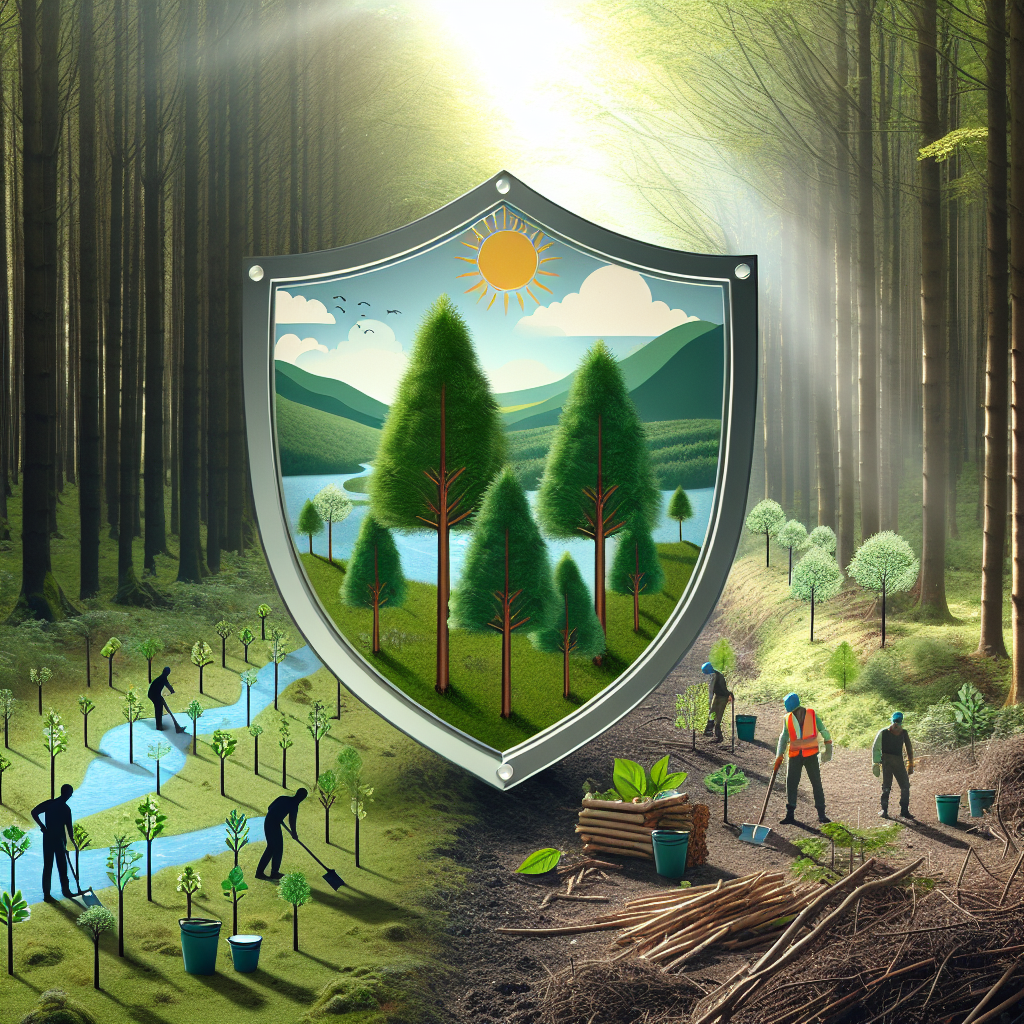
Building Resilience in the Face of Environmental Conservation and Activism
Introduction
In an era marked by rapid environmental changes and escalating ecological challenges, the need for resilience in the face of environmental conservation and activism has never been more critical. As the world grapples with climate change, biodiversity loss, and pollution, individuals and communities are increasingly called upon to adapt and respond effectively. This article explores the concept of resilience within the context of environmental conservation and activism, examining its importance, the challenges faced, and strategies to build and sustain resilience.
Understanding Resilience in Environmental Contexts
Resilience is the capacity to recover from difficulties and adapt to change. In environmental contexts, it refers to the ability of ecosystems, communities, and individuals to withstand and bounce back from environmental stresses and shocks. Resilience is not just about survival; it involves thriving despite adversity.
The Importance of Resilience in Environmental Conservation
The significance of resilience in environmental conservation cannot be overstated. As ecosystems face unprecedented threats, building resilience ensures their longevity and health. Key reasons for its importance include:
– **Adaptation to Climate Change**: Resilient systems can better adapt to the impacts of climate change, reducing vulnerability to extreme weather events and temperature fluctuations.
– **Preservation of Biodiversity**: Resilient ecosystems maintain biodiversity, which is crucial for ecological balance and the provision of ecosystem services.
– **Sustainable Resource Management**: Resilience fosters sustainable use of natural resources, ensuring their availability for future generations.
Challenges in Building Resilience
Despite its importance, building resilience in environmental conservation and activism is fraught with challenges. These challenges include:
– **Resource Limitations**: Financial, human, and technological resources are often insufficient to implement comprehensive resilience strategies.
– **Political and Social Barriers**: Political inertia and social resistance can hinder the adoption of necessary policies and practices.
– **Complexity of Ecosystems**: The intricate and interdependent nature of ecosystems makes predicting and enhancing resilience a complex task.
Strategies for Building Resilience
To effectively build resilience in environmental conservation and activism, a multifaceted approach is necessary. Key strategies include:
Community Engagement and Education
Empowering communities through education and involvement is vital for building resilience. This involves:
– **Raising Awareness**: Educating communities about environmental issues and the importance of resilience.
– **Participatory Approaches**: Involving local communities in decision-making processes to ensure that resilience strategies are culturally appropriate and locally relevant.
– **Capacity Building**: Providing training and resources to enhance local capabilities in environmental management.
Policy and Governance
Effective policy and governance frameworks are essential for fostering resilience. This includes:
– **Integrated Policy Frameworks**: Developing policies that integrate environmental, social, and economic considerations.
– **Collaborative Governance**: Encouraging collaboration among government agencies, non-governmental organizations, and the private sector.
– **Adaptive Management**: Implementing flexible management practices that can adjust to changing conditions and new information.
Technological Innovation
Technology plays a crucial role in enhancing resilience. Key technological strategies include:
– **Data-Driven Decision Making**: Utilizing data and analytics to inform resilience strategies and predict environmental changes.
– **Sustainable Technologies**: Promoting the development and use of technologies that reduce environmental impact and enhance sustainability.
– **Early Warning Systems**: Implementing systems to predict and respond to environmental threats, such as natural disasters.
Case Studies: Resilience in Action
Examining real-world examples of resilience in environmental conservation and activism can provide valuable insights. Two notable case studies include:
The Great Barrier Reef
The Great Barrier Reef, one of the world’s most iconic ecosystems, faces significant threats from climate change and human activity. Efforts to build resilience include:
– **Coral Restoration Projects**: Initiatives to restore damaged coral reefs through transplantation and breeding programs.
– **Water Quality Improvement**: Programs aimed at reducing agricultural runoff and improving water quality to support reef health.
– **Community Involvement**: Engaging local communities and stakeholders in conservation efforts to ensure long-term success.
Urban Green Spaces
Urban areas present unique challenges and opportunities for building resilience. Efforts in cities like Singapore and New York include:
– **Green Infrastructure**: Developing parks, green roofs, and urban forests to enhance biodiversity and reduce urban heat.
– **Sustainable Urban Planning**: Incorporating resilience principles into urban development to mitigate the impacts of climate change.
– **Public Engagement**: Encouraging citizen participation in the maintenance and expansion of urban green spaces.
The Role of Activism in Building Resilience
Environmental activism plays a crucial role in building resilience by raising awareness, advocating for policy change, and mobilizing communities. Key aspects of activism include:
– **Advocacy and Campaigning**: Activists work to influence public opinion and policy through campaigns, protests, and lobbying efforts.
– **Grassroots Movements**: Local movements often drive change by addressing specific environmental issues within communities.
– **Collaboration with Scientists**: Activists frequently collaborate with scientists to ensure that advocacy efforts are informed by the latest research.
The Future of Resilience in Environmental Conservation
Looking ahead, the future of resilience in environmental conservation and activism will depend on continued innovation, collaboration, and commitment. Key areas of focus include:
– **Cross-Sector Collaboration**: Building partnerships across sectors to leverage diverse expertise and resources.
– **Youth Engagement**: Empowering young people to take an active role in environmental conservation and activism.
– **Global Cooperation**: Addressing global challenges through international collaboration and agreements.
Conclusion
In conclusion, building resilience in the face of environmental conservation and activism is a complex but essential endeavor. By understanding the importance of resilience, recognizing the challenges, and implementing effective strategies, individuals and communities can create a sustainable future. Through community engagement, policy development, technological innovation, and activism, resilience can be strengthened, ensuring that ecosystems and societies thrive in the face of environmental change. As we move forward, a collective commitment to resilience will be crucial in safeguarding our planet for future generations.
