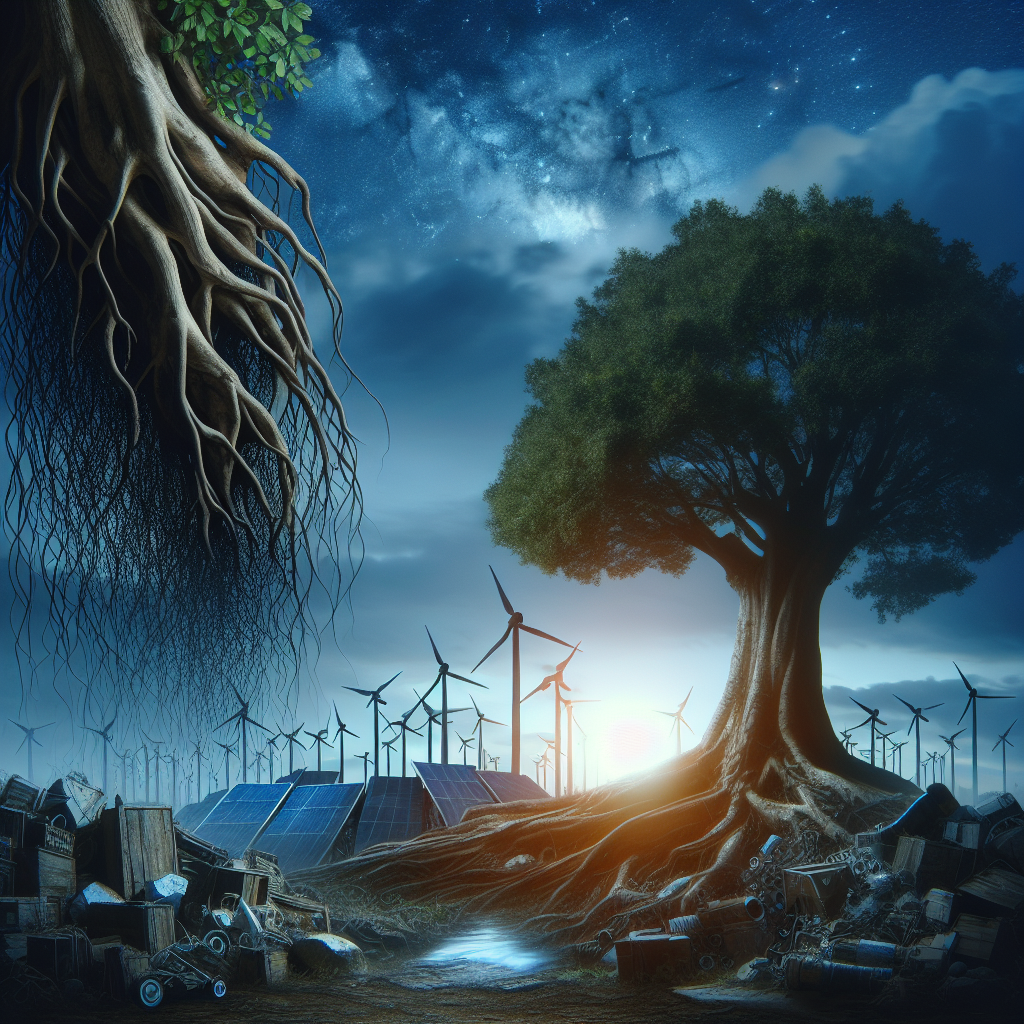
Building Resilience in the Face of Environmental Art Installations and Activism
Introduction
In recent years, the intersection of art and environmental activism has become a powerful platform for raising awareness about the pressing issues of climate change, biodiversity loss, and environmental degradation. Environmental art installations have emerged as a compelling medium for artists and activists to communicate complex ecological messages in a way that is both accessible and emotionally resonant. This article explores the role of environmental art in activism, examines its impact on public consciousness, and discusses strategies for building resilience in the face of these artistic endeavors.
The Role of Environmental Art in Activism
Environmental art installations serve as a bridge between scientific discourse and public engagement, translating abstract data into tangible experiences. By transforming spaces into immersive environments, artists challenge viewers to confront the realities of environmental issues and inspire them to take action.
– **Raising Awareness**: Art installations capture attention and provoke thought, effectively communicating environmental messages to a broad audience. Visual and experiential elements can make the abstract tangible, fostering a deeper understanding of complex issues.
– **Emotional Engagement**: Art has the unique ability to evoke emotions, creating a personal connection between the viewer and the subject matter. This emotional resonance can lead to increased empathy and motivation to engage in environmental activism.
– **Catalyzing Dialogue**: Environmental art installations often serve as a catalyst for conversations about sustainability, conservation, and climate action. By sparking dialogue, these artworks encourage communities to discuss and address environmental challenges collaboratively.
The Impact of Environmental Art Installations
Environmental art installations have a profound impact on public consciousness, influencing perceptions and attitudes toward environmental issues. They act as a call to action, urging individuals and communities to reconsider their relationship with the natural world.
– **Shaping Perceptions**: Art installations can challenge preconceived notions and reshape perceptions about the environment. By presenting familiar landscapes in unfamiliar ways, they encourage viewers to see the world through a new lens.
– **Inspiring Action**: Many environmental art installations are designed to inspire action. Whether through interactive elements or thought-provoking visuals, these artworks motivate individuals to adopt more sustainable practices and advocate for environmental policies.
– **Fostering Community Engagement**: Art installations often bring communities together, fostering a sense of shared responsibility for environmental stewardship. Collaborative projects can strengthen community bonds and empower individuals to work collectively toward sustainable solutions.
Strategies for Building Resilience
In the face of environmental art installations and activism, building resilience is essential for individuals and communities to effectively address the challenges posed by climate change and environmental degradation. Resilience involves the capacity to adapt, recover, and thrive in the face of adversity.
– **Education and Awareness**: Education is a fundamental component of building resilience. By increasing awareness of environmental issues and their impact, individuals and communities can make informed decisions and adopt sustainable practices.
– **Community Involvement**: Engaging communities in environmental initiatives fosters a sense of ownership and responsibility. Collaborative efforts can lead to innovative solutions and increased resilience in the face of environmental challenges.
– **Adaptive Strategies**: Developing adaptive strategies is crucial for resilience. This involves anticipating potential environmental changes and implementing measures to mitigate their impact. Flexibility and adaptability are key to thriving in an ever-changing environment.
– **Policy Advocacy**: Advocacy for environmental policies and regulations is essential for building resilience at a systemic level. By supporting policies that promote sustainability and conservation, individuals and communities can contribute to broader efforts to address environmental challenges.
Case Studies of Environmental Art Installations
To illustrate the impact and potential of environmental art installations, we can examine several notable case studies that highlight their effectiveness in raising awareness and inspiring action.
– **The Weather Project by Olafur Eliasson**: In 2003, Danish-Icelandic artist Olafur Eliasson created The Weather Project at the Tate Modern in London. The installation featured a massive artificial sun and a mist-filled environment, inviting visitors to contemplate the relationship between nature and urban life. The project successfully raised awareness about climate change and the importance of sustainable urban planning.
– **Washed Ashore Project**: This ongoing initiative transforms ocean debris into large-scale sculptures of marine life. By using plastic waste collected from beaches, the project highlights the impact of pollution on marine ecosystems. The sculptures have been displayed in various locations, educating the public about the importance of reducing plastic waste and protecting ocean habitats.
– **Ice Watch by Olafur Eliasson and Minik Rosing**: In this collaborative project, Eliasson and geologist Minik Rosing transported blocks of glacial ice to urban centers, where they slowly melted in public spaces. The installation served as a stark reminder of the effects of global warming and the urgent need for climate action.
Challenges and Criticisms
While environmental art installations have been praised for their ability to raise awareness and inspire action, they are not without challenges and criticisms. Some argue that these installations can be resource-intensive and may not always lead to tangible environmental benefits.
– **Resource Intensity**: Creating large-scale art installations often requires significant resources, including materials, energy, and transportation. Critics argue that the environmental impact of producing these artworks may outweigh their benefits.
– **Effectiveness in Driving Change**: While art installations can raise awareness, their ability to drive concrete change is sometimes questioned. Critics argue that without actionable steps or policy changes, the impact of these artworks may be limited.
– **Accessibility and Inclusivity**: Ensuring that environmental art installations are accessible and inclusive is crucial for their success. Critics point out that some installations may not be easily accessible to all segments of the population, limiting their reach and impact.
Future Directions for Environmental Art and Activism
As the world continues to grapple with environmental challenges, the role of art in activism is likely to evolve. Future directions for environmental art installations may focus on increasing accessibility, promoting inclusivity, and encouraging actionable change.
– **Digital and Virtual Installations**: Advances in technology offer new opportunities for creating digital and virtual art installations. These formats can reach a wider audience and reduce the resource intensity associated with physical installations.
– **Collaborative Projects**: Collaborative projects that involve artists, scientists, and communities can lead to more impactful and inclusive art installations. By working together, stakeholders can create artworks that address specific environmental issues and promote community engagement.
– **Integration with Policy Initiatives**: Integrating art installations with policy initiatives can enhance their effectiveness in driving change. By aligning artistic endeavors with policy goals, artists and activists can amplify their impact and contribute to broader environmental efforts.
Conclusion
Environmental art installations and activism play a crucial role in raising awareness and inspiring action on pressing environmental issues. By engaging the public through visual and experiential means, these artworks have the potential to reshape perceptions, foster community engagement, and drive meaningful change. Building resilience in the face of these artistic endeavors involves education, community involvement, adaptive strategies, and policy advocacy. As the field of environmental art continues to evolve, its ability to influence public consciousness and contribute to environmental solutions will remain a vital component of the global effort to address climate change and environmental degradation.
