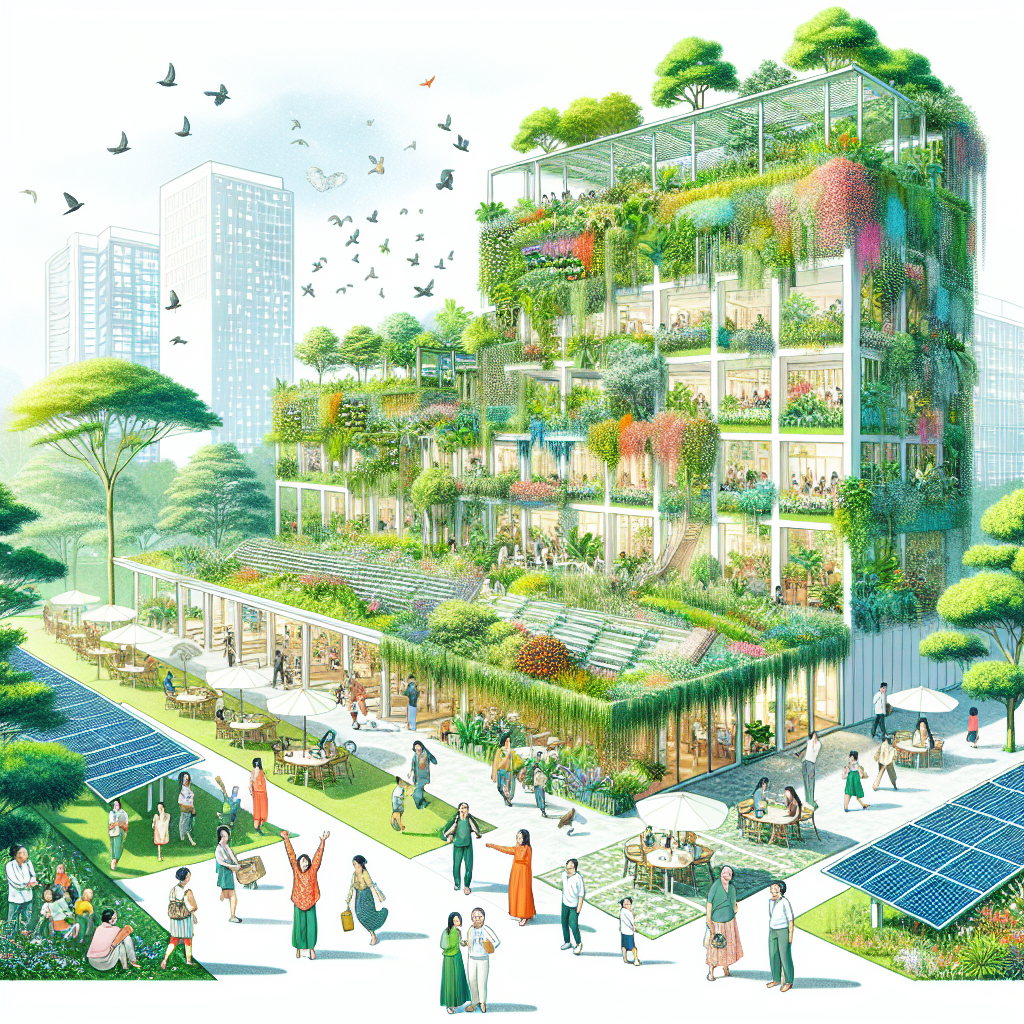
**Achieving Happiness Through Sustainable Building and Green Architecture**
In recent years, the quest for happiness has taken an intriguing turn as individuals and communities increasingly recognize the intimate connection between our built environment and our well-being. Sustainable building and green architecture are at the forefront of this movement, offering innovative solutions that not only minimize environmental impact but also enhance the quality of life for their inhabitants. This article explores how sustainable building practices and green architecture contribute to achieving happiness by fostering healthier, more resilient, and aesthetically pleasing living spaces.
**The Foundations of Sustainable Building**
Sustainable building, often synonymous with green building, refers to the practice of creating structures and using processes that are environmentally responsible and resource-efficient throughout the building’s life cycle. This encompasses everything from site selection and design to construction, operation, maintenance, renovation, and deconstruction.
– **Resource Efficiency**: Sustainable buildings minimize resource consumption by using materials that are renewable, recycled, or locally sourced. This reduces the environmental footprint and promotes the responsible use of natural resources.
– **Energy Efficiency**: Energy-efficient designs and technologies, such as solar panels and high-performance insulation, reduce the reliance on non-renewable energy sources, lowering utility costs and carbon emissions.
– **Water Conservation**: Implementing water-saving fixtures and efficient irrigation systems helps conserve water, an increasingly precious resource, while reducing the strain on local water supplies.
– **Indoor Environmental Quality**: Sustainable buildings prioritize indoor air quality, natural lighting, and thermal comfort, creating healthier spaces for occupants.
**The Role of Green Architecture**
Green architecture is a subset of sustainable building that emphasizes the design and construction of buildings that harmonize with the natural environment. It integrates ecological principles into architectural design, resulting in structures that are not only functional but also aesthetically pleasing and environmentally friendly.
– **Biophilic Design**: Green architecture often incorporates biophilic design principles, which seek to connect building occupants more closely with nature. This includes the use of natural materials, abundant natural light, and views of the outdoors, all of which have been shown to enhance mood and productivity.
– **Adaptive Reuse**: By repurposing existing structures rather than demolishing them, green architecture preserves cultural heritage and reduces waste, contributing to a sense of community continuity and identity.
– **Passive Design**: This approach leverages the building’s orientation, layout, and materials to naturally regulate temperature and light, reducing the need for artificial heating, cooling, and lighting.
**The Psychological Impact of Sustainable Spaces**
Sustainable buildings and green architecture can significantly impact the psychological well-being of their occupants. By creating environments that are healthier, more comfortable, and aesthetically pleasing, these practices contribute to an overall sense of happiness and fulfillment.
– **Stress Reduction**: Access to natural light, fresh air, and green spaces has been linked to lower stress levels and improved mental health. Sustainable buildings often incorporate these elements, providing a calming and restorative environment.
– **Increased Productivity**: Studies have shown that occupants of green buildings report higher levels of productivity and concentration. This is attributed to improved indoor air quality, better lighting, and reduced noise pollution.
– **Community Engagement**: Sustainable building projects often involve community input and participation, fostering a sense of ownership and belonging among residents. This collaborative approach strengthens social ties and enhances community resilience.
**Economic Benefits of Sustainable Building**
While the initial investment in sustainable building practices may be higher than traditional methods, the long-term economic benefits are substantial. These advantages contribute to financial stability and peace of mind, key components of happiness.
– **Reduced Operating Costs**: Energy-efficient systems and water-saving technologies lead to significant savings on utility bills over the building’s lifetime.
– **Increased Property Value**: Sustainable buildings tend to have higher resale values due to their energy efficiency and modern design features, making them attractive to eco-conscious buyers.
– **Incentives and Grants**: Many governments and organizations offer financial incentives, tax breaks, and grants to encourage sustainable building practices, offsetting some of the initial costs.
**Challenges and Solutions in Sustainable Building**
Despite the numerous benefits, sustainable building and green architecture face several challenges that must be addressed to maximize their potential impact on happiness and well-being.
– **Cost and Accessibility**: The perception that sustainable building is more expensive can deter individuals and developers. However, by focusing on cost-effective strategies and leveraging available incentives, these barriers can be overcome.
– **Education and Awareness**: Raising awareness about the benefits of sustainable building and providing education on best practices are crucial for widespread adoption. This can be achieved through workshops, seminars, and collaboration with educational institutions.
– **Regulatory Hurdles**: Navigating complex building codes and regulations can be daunting. Streamlining approval processes and providing clear guidelines for sustainable building can facilitate smoother implementation.
**Future Trends in Sustainable Building**
As the demand for sustainable living continues to grow, several trends are emerging that promise to further enhance the relationship between green architecture and happiness.
– **Net-Zero Buildings**: These structures produce as much energy as they consume, often through renewable sources like solar or wind power. Net-zero buildings represent the pinnacle of sustainability and offer a blueprint for future development.
– **Smart Technology Integration**: The integration of smart technologies in sustainable buildings allows for greater control over energy usage, lighting, and climate, enhancing comfort and efficiency.
– **Urban Green Spaces**: The incorporation of green roofs, vertical gardens, and urban parks into city planning promotes biodiversity and provides residents with access to nature, even in densely populated areas.
**Conclusion**
The pursuit of happiness is a fundamental human endeavor, and sustainable building and green architecture offer a promising path toward achieving this goal. By creating spaces that are environmentally responsible, economically viable, and socially inclusive, these practices contribute to a healthier, more fulfilling way of life. As we continue to innovate and embrace sustainable living, the potential for happiness through thoughtful design and construction becomes increasingly attainable. The future of our built environment holds the promise of not only preserving our planet but also enhancing the well-being of all who inhabit it.
