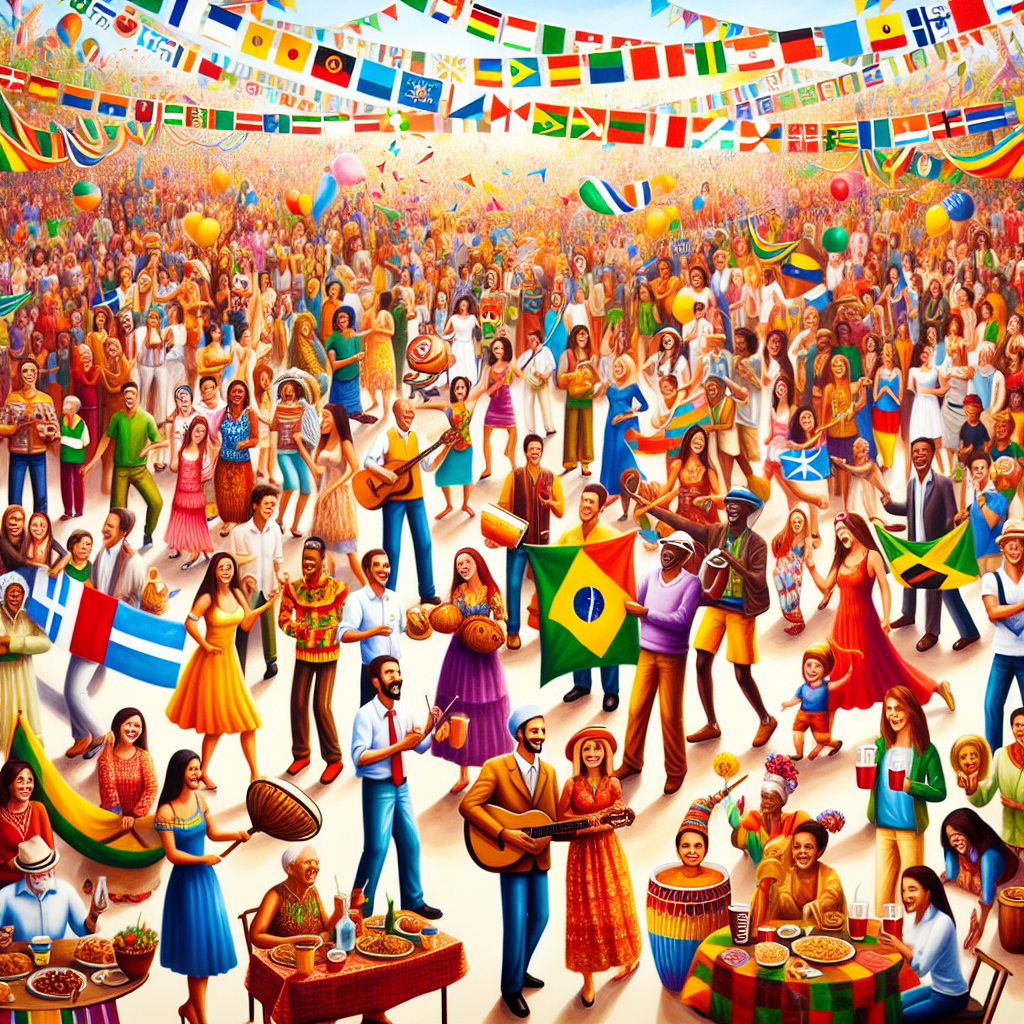
**Achieving Happiness Through Participating in Cultural Festivals**
In today’s fast-paced world, where stress and anxiety often dominate our lives, finding avenues for happiness and fulfillment is more important than ever. One such avenue that has stood the test of time is the participation in cultural festivals. These vibrant celebrations offer a unique blend of tradition, community, and joy, providing an opportunity for individuals to connect with their roots and with each other. This article explores how engaging in cultural festivals can lead to a deeper sense of happiness and well-being.
**Understanding Cultural Festivals**
Cultural festivals are events that celebrate the traditions, customs, and heritage of a particular community or group. They often include a variety of activities such as music, dance, food, and art, which reflect the cultural identity being celebrated. These festivals serve as a platform for preserving and promoting cultural heritage, while also fostering a sense of belonging and unity among participants.
**The Role of Cultural Festivals in Promoting Happiness**
Participating in cultural festivals can have a profound impact on an individual’s happiness. This section delves into the various ways in which these events contribute to a more fulfilling life.
**1. Strengthening Community Bonds**
– **Sense of Belonging**: Cultural festivals provide a sense of belonging by bringing people together to celebrate shared customs and traditions. This communal experience fosters a spirit of unity and camaraderie, which can lead to lasting friendships and support networks.
– **Intergenerational Connections**: These events often involve multiple generations, allowing for the exchange of stories, wisdom, and experiences. This interaction not only strengthens family ties but also enriches the cultural knowledge of younger generations.
**2. Celebrating Diversity**
– **Cultural Exchange**: Festivals offer a platform for cultural exchange, where individuals can learn about and appreciate different traditions and practices. This exposure to diverse cultures fosters tolerance, understanding, and acceptance, contributing to a more harmonious society.
– **Breaking Stereotypes**: By showcasing the richness and diversity of cultures, festivals help break down stereotypes and prejudices, promoting a more inclusive and accepting world.
**3. Enhancing Personal Well-being**
– **Emotional Release**: The lively atmosphere of cultural festivals provides an opportunity for emotional expression and release. Whether through dance, music, or art, participants can experience a sense of catharsis and joy.
– **Mindfulness and Presence**: Engaging in cultural activities encourages individuals to be present in the moment, promoting mindfulness and reducing stress. This focus on the here and now can lead to a greater sense of peace and contentment.
**4. Fostering Creativity and Innovation**
– **Inspiration and Innovation**: Cultural festivals often serve as a breeding ground for creativity and innovation. Exposure to different art forms and performances can inspire individuals to explore their own creative potential.
– **Cultural Renaissance**: By celebrating traditional art forms and practices, festivals play a crucial role in preserving cultural heritage while also encouraging contemporary interpretations and adaptations.
**The Global Appeal of Cultural Festivals**
Cultural festivals are celebrated worldwide, each offering a unique glimpse into the traditions and customs of a particular region. This section highlights some renowned festivals that have captivated audiences globally.
**1. Diwali – Festival of Lights (India)**
Diwali, known as the Festival of Lights, is one of the most celebrated festivals in India. It signifies the victory of light over darkness and good over evil. The festival is marked by the lighting of lamps, bursting of fireworks, and sharing of sweets. Diwali brings families together, fostering a sense of joy and togetherness.
**2. Rio Carnival (Brazil)**
The Rio Carnival is a vibrant celebration of music, dance, and color. Known for its samba parades and elaborate costumes, the carnival attracts millions of visitors from around the world. It is a time of revelry and joy, where participants immerse themselves in the rhythm and energy of Brazilian culture.
**3. Oktoberfest (Germany)**
Oktoberfest is the world’s largest beer festival, held annually in Munich, Germany. It is a celebration of Bavarian culture, featuring traditional music, food, and, of course, beer. Oktoberfest is a time for merriment and camaraderie, bringing people together to enjoy the simple pleasures of life.
**4. Chinese New Year (China)**
Chinese New Year, also known as the Spring Festival, is a time of renewal and celebration. It marks the beginning of the lunar new year and is celebrated with dragon dances, lantern festivals, and family reunions. The festival is a time for honoring ancestors and seeking blessings for the year ahead.
**5. Mardi Gras (United States)**
Mardi Gras, or Fat Tuesday, is celebrated in various parts of the United States, most notably in New Orleans. It is a lively festival characterized by parades, music, and vibrant costumes. Mardi Gras is a time for indulgence and fun, offering a break from the daily routine.
**Practical Tips for Engaging in Cultural Festivals**
Participating in cultural festivals can be a rewarding experience, but it requires some preparation and consideration. Here are practical tips to make the most of your festival experience.
– **Research and Plan**: Before attending a festival, research its history, significance, and activities. This understanding will enrich your experience and allow you to engage more meaningfully with the event.
– **Respect Cultural Norms**: Be mindful of the cultural norms and practices associated with the festival. Show respect for traditions and customs, and be open to learning from the locals.
– **Participate Actively**: Engage in the activities and performances offered at the festival. Whether it’s dancing, trying traditional foods, or participating in workshops, active participation will enhance your experience.
– **Capture Memories**: Document your festival experience through photos and journaling. These memories will serve as a reminder of the joy and connection you experienced.
– **Reflect and Share**: After the festival, take time to reflect on your experiences and share them with others. This reflection can deepen your appreciation for the cultural traditions and the happiness they bring.
**Conclusion**
Cultural festivals offer a unique opportunity to experience joy, connection, and fulfillment. By participating in these celebrations, individuals can strengthen community bonds, celebrate diversity, enhance personal well-being, and foster creativity. Whether attending a local festival or traveling to experience one from a different culture, the benefits of engaging in these vibrant events are manifold. As we seek happiness in our lives, cultural festivals provide a timeless and universal path to achieving it. Through these celebrations, we not only honor our heritage but also embrace the shared human experience, finding joy in the rich tapestry of cultures that make up our world.
