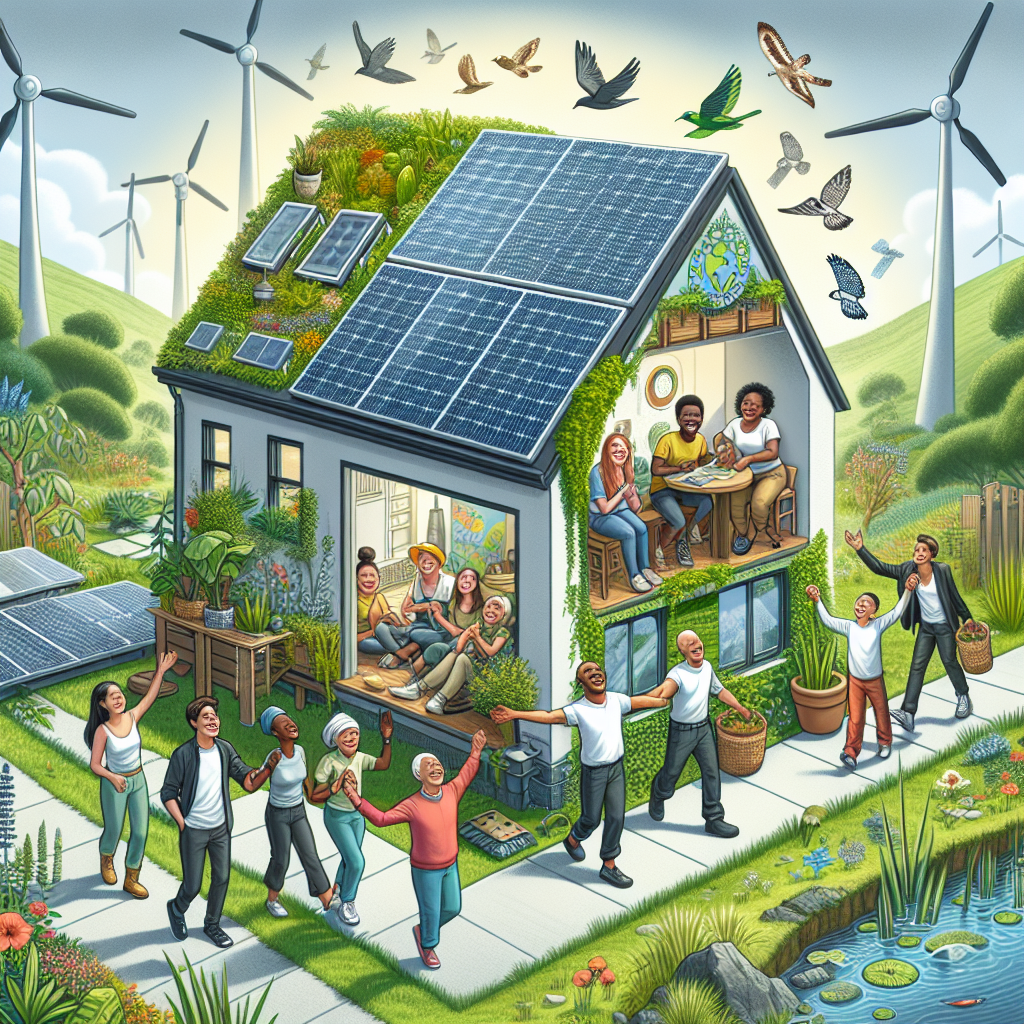
Achieving Happiness Through Green Building and Sustainable Renovation
Introduction
In recent years, the concept of green building and sustainable renovation has gained significant momentum. This movement is not just about reducing the carbon footprint or saving energy costs; it is also about enhancing the quality of life and achieving happiness through thoughtful design and construction. As the global community becomes increasingly aware of environmental issues, the demand for sustainable solutions in the building industry continues to rise. This article explores how green building and sustainable renovation contribute to happiness by improving health, comfort, and overall well-being.
Understanding Green Building and Sustainable Renovation
Green building refers to the practice of designing and constructing buildings that are environmentally responsible and resource-efficient. This involves considering the entire life cycle of a building, from site selection and design to construction, operation, maintenance, renovation, and deconstruction. Sustainable renovation, on the other hand, focuses on updating existing structures to improve their environmental performance and occupant comfort.
Key Principles of Green Building
1. Energy Efficiency
– Utilizing renewable energy sources such as solar, wind, and geothermal.
– Implementing energy-efficient systems and appliances.
– Enhancing insulation and sealing to minimize energy loss.
2. Water Conservation
– Installing low-flow fixtures and appliances.
– Implementing rainwater harvesting systems.
– Utilizing drought-resistant landscaping.
3. Indoor Environmental Quality
– Ensuring adequate ventilation and air quality.
– Using non-toxic and low-emission materials.
– Maximizing natural light and views.
4. Sustainable Materials
– Choosing recycled, reclaimed, or rapidly renewable materials.
– Using locally sourced materials to reduce transportation emissions.
– Opting for durable and long-lasting products.
5. Site Selection and Development
– Minimizing site disturbance and preserving natural habitats.
– Promoting sustainable transportation options.
– Encouraging community connectivity and accessibility.
The Psychological Benefits of Green Building
Improved Mental Health
Green buildings are designed to enhance the mental health of their occupants. By incorporating natural elements such as plants, water features, and natural light, these buildings create environments that reduce stress and promote relaxation. Studies have shown that exposure to nature can lower cortisol levels, decrease anxiety, and improve mood.
Increased Productivity
Workspaces that prioritize natural light and good air quality have been linked to higher levels of productivity and job satisfaction. Employees in green buildings report fewer instances of sick building syndrome, which includes symptoms like headaches and fatigue. This leads to increased focus and efficiency, contributing to a more positive work environment.
Enhanced Social Interactions
Green buildings often include communal spaces that encourage social interactions among occupants. These spaces, whether they are shared gardens, rooftops, or lounges, provide opportunities for people to connect and build relationships. Positive social interactions are crucial for happiness and well-being, fostering a sense of community and belonging.
The Environmental Impact and Its Connection to Happiness
Reducing Carbon Footprint
Green building practices significantly reduce a structure’s carbon footprint by minimizing energy consumption and utilizing sustainable materials. This reduction in environmental impact contributes to a cleaner and healthier planet, which in turn enhances the quality of life for current and future generations.
Promoting Biodiversity
By preserving natural habitats and incorporating green spaces, sustainable buildings support biodiversity. A rich and diverse ecosystem is essential for a balanced environment, providing benefits such as improved air quality and natural pest control. Living in harmony with nature fosters a sense of stewardship and connection to the earth, contributing to overall happiness.
The Economic Advantages of Green Building
Lower Operating Costs
Green buildings are designed to be energy and resource-efficient, leading to significant cost savings over time. Reduced energy and water bills, as well as lower maintenance costs, provide financial relief to building owners and occupants. These savings can be redirected towards other aspects of life, enhancing overall happiness.
Increased Property Value
Sustainable buildings often command higher property values due to their desirable features and reduced operating costs. As awareness of environmental issues grows, more buyers and tenants are seeking out green buildings, making them a lucrative investment.
Incentives and Rebates
Many governments and organizations offer incentives and rebates for green building projects. These financial benefits can offset initial construction or renovation costs, making sustainable building practices more accessible and attractive to developers and homeowners alike.
Case Studies: Successful Green Building Projects
The Bullitt Center, Seattle
The Bullitt Center in Seattle is often referred to as the greenest commercial building in the world. It features solar panels, rainwater harvesting, composting toilets, and non-toxic materials. The building has achieved net-zero energy status, producing as much energy as it consumes. Its design prioritizes occupant health and well-being, with ample natural light and a focus on indoor air quality.
One Central Park, Sydney
One Central Park in Sydney is a mixed-use development that incorporates vertical gardens, renewable energy systems, and water recycling. The building’s design promotes community interaction and provides residents with access to green spaces. Its innovative approach to sustainability has made it a landmark in urban development.
The Edge, Amsterdam
The Edge in Amsterdam is renowned for its smart technology and energy efficiency. It utilizes a range of sustainable features, including solar panels, rainwater collection, and energy-efficient lighting. The building’s design emphasizes employee well-being, with flexible workspaces and abundant natural light. The Edge has set a new standard for sustainable office buildings.
Challenges and Considerations in Green Building
Initial Costs
One of the primary challenges in green building is the initial cost of construction or renovation. Sustainable materials and technologies can be more expensive upfront, which may deter some developers or homeowners. However, the long-term savings and benefits often outweigh the initial investment.
Regulatory and Technical Barriers
Navigating the regulatory landscape for green building can be complex, with varying standards and certifications across regions. Additionally, the technical expertise required for sustainable construction can be a barrier for some projects. Collaboration with experienced professionals and organizations can help overcome these challenges.
Balancing Aesthetics and Functionality
Achieving a balance between aesthetics and functionality is crucial in green building. While sustainable features are essential, they should not compromise the building’s design or usability. Architects and designers must work creatively to integrate green solutions seamlessly into their projects.
Conclusion
Green building and sustainable renovation offer a path to achieving happiness by enhancing the quality of life for individuals and communities. Through improved mental health, increased productivity, and positive social interactions, these practices contribute to a more fulfilling and balanced lifestyle. Moreover, the environmental and economic benefits of green building create a sustainable future for generations to come. As the demand for sustainable solutions continues to grow, embracing green building practices will be essential in creating a happier and healthier world.
