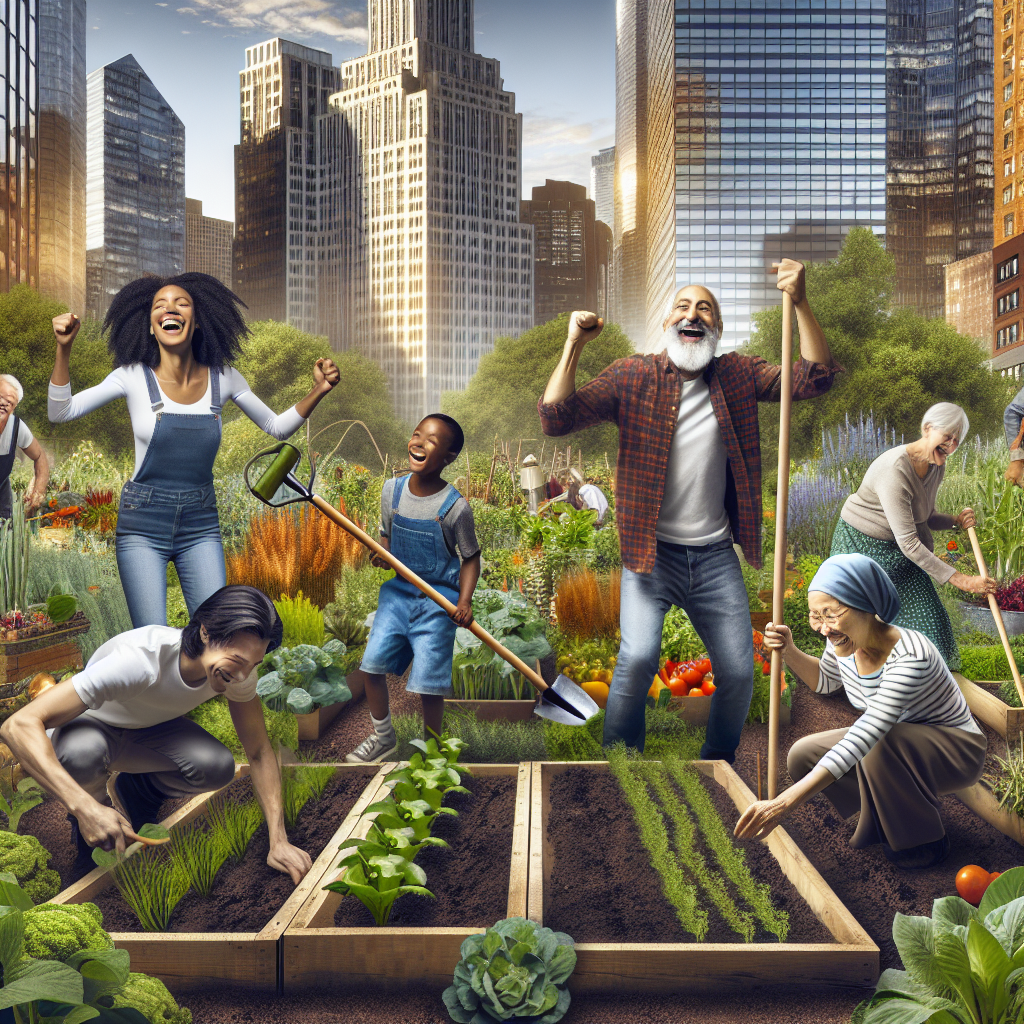
Achieving Happiness Through Community Gardening and Urban Farming
Introduction
In the hustle and bustle of modern urban life, finding happiness and contentment can often seem elusive. However, an increasing number of city dwellers are discovering a surprising source of joy and fulfillment: community gardening and urban farming. These green spaces not only transform urban landscapes but also foster a sense of community, improve mental health, and promote sustainable living. This article explores the myriad ways in which community gardening and urban farming contribute to happiness and well-being.
The Rise of Community Gardening and Urban Farming
Over the past few decades, community gardening and urban farming have gained significant traction in cities worldwide. These initiatives have emerged as a response to various challenges, including food insecurity, environmental degradation, and social isolation. By converting vacant lots, rooftops, and other underutilized spaces into productive gardens and farms, urban residents are reclaiming their connection to nature and each other.
Key Factors Driving Growth
– Increasing awareness of environmental issues and the need for sustainable practices
– Rising interest in locally sourced and organic produce
– Desire for community engagement and social interaction
– Health benefits associated with gardening and exposure to green spaces
The Benefits of Community Gardening and Urban Farming
Community gardening and urban farming offer a host of benefits that extend beyond the simple act of growing plants. These benefits are multifaceted, touching on physical, mental, social, and environmental aspects of life.
Physical Health Benefits
Engaging in gardening activities provides a moderate form of exercise that can improve physical health. Tasks such as digging, planting, weeding, and watering require physical effort and can help:
– Enhance cardiovascular health
– Increase strength and flexibility
– Promote weight management
– Boost immune function through exposure to diverse microorganisms
Mental Health and Well-being
Gardening has long been associated with improved mental health. The act of nurturing plants and spending time in nature can have profound effects on psychological well-being. Benefits include:
– Reduction in stress and anxiety levels
– Improvement in mood and reduction of depression symptoms
– Enhanced mindfulness and focus
– Increased sense of purpose and accomplishment
Fostering Social Connections
One of the most significant advantages of community gardening is its ability to bring people together. These spaces serve as hubs for social interaction, where individuals from diverse backgrounds can connect and collaborate. This sense of community can lead to:
– Strengthened neighborhood bonds
– Increased social support networks
– Opportunities for learning and skill-sharing
– Enhanced sense of belonging and community pride
Environmental Impact
Community gardens and urban farms play a crucial role in promoting environmental sustainability. By incorporating eco-friendly practices, these initiatives contribute to:
– Reduction in urban heat island effect through increased greenery
– Improved air quality and biodiversity
– Conservation of water resources through efficient irrigation techniques
– Reduction of food miles and carbon footprint by providing local produce
Case Studies: Successful Community Gardening and Urban Farming Projects
Several cities around the world have embraced community gardening and urban farming, leading to transformative outcomes. Here, we highlight a few successful projects that have made a significant impact.
New York City: The GreenThumb Program
New York City’s GreenThumb program is one of the largest community gardening initiatives in the United States. Established in 1978, it supports over 600 gardens across the city. The program provides resources, workshops, and technical assistance to community gardeners, fostering a sense of ownership and empowerment among participants. GreenThumb gardens have become vital green spaces in the city, offering residents a refuge from urban stressors and a platform for community engagement.
Havana, Cuba: Organopónicos Movement
In response to food shortages in the 1990s, Havana embraced urban agriculture through the organopónicos movement. These urban farms utilize organic methods to produce vegetables, herbs, and fruits in the heart of the city. The initiative has transformed Havana into a model of urban resilience, providing fresh produce to residents while promoting food security and environmental sustainability.
London, England: The Edible Bus Stop
The Edible Bus Stop is a unique project in London that transforms neglected bus stops and public spaces into vibrant community gardens. By involving local residents in the design and maintenance of these gardens, the project fosters a sense of ownership and pride. The Edible Bus Stop not only beautifies urban landscapes but also encourages community interaction and sustainable living.
Challenges and Solutions in Community Gardening and Urban Farming
While community gardening and urban farming offer numerous benefits, they also face several challenges. Addressing these challenges is essential to ensure the long-term success and sustainability of these initiatives.
Common Challenges
– Limited access to land and resources
– Lack of funding and financial support
– Regulatory and zoning restrictions
– Vandalism and theft
Potential Solutions
– Partnering with local governments and organizations to secure land and resources
– Establishing community-based funding models and seeking grants
– Advocating for policy changes that support urban agriculture
– Implementing security measures and community watch programs
The Role of Technology in Enhancing Urban Agriculture
Technology is playing an increasingly important role in advancing community gardening and urban farming. From smart irrigation systems to data-driven crop management, technological innovations are enhancing the efficiency and productivity of urban agriculture.
Innovative Technologies
– Hydroponics and aquaponics for soil-less cultivation
– Vertical farming to maximize space utilization
– Mobile apps for garden management and community coordination
– Sensors and IoT devices for monitoring soil moisture and plant health
Conclusion
Community gardening and urban farming represent more than just a means of growing food; they are powerful tools for achieving happiness and well-being in urban environments. By fostering physical health, mental well-being, social connections, and environmental sustainability, these green spaces offer a holistic approach to improving quality of life. As more cities embrace these initiatives, the potential for creating happier, healthier communities continues to grow. Embracing community gardening and urban farming is not just a trend; it is a movement towards a more sustainable and fulfilling future.
