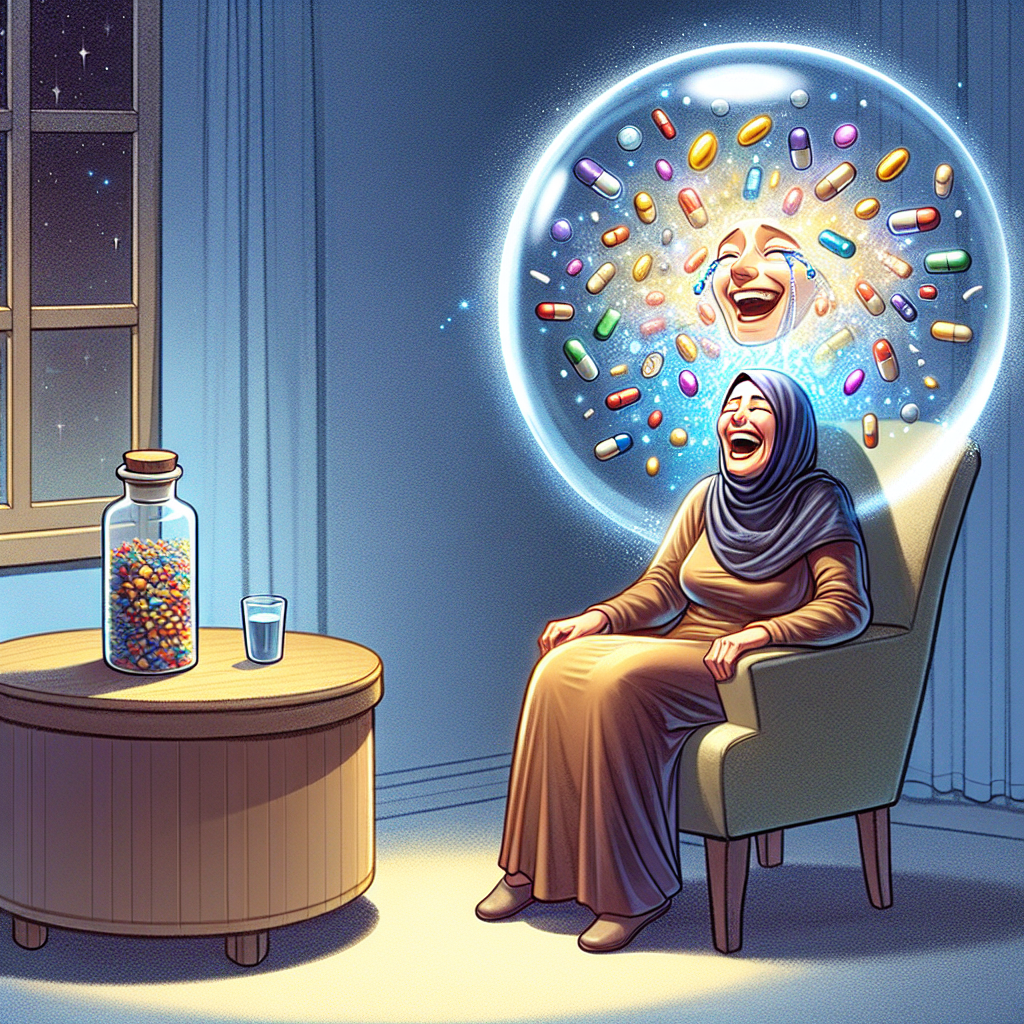
Introduction
There has always been a saying “laughter is the best medicine,” and that may not be too far from the truth. Research has proven that laughter is much more than just a simple reaction to a funny joke. It is a complex emotional response that has profound implications on our psychological health. This article delves into the psychology of laughter, exploring the underlying reasons for our laughter and how it serves as an exceptional remedy for various mental health challenges.
Understanding the Psychology of Laughter
The science behind laughter, or Gelotology as it’s officially known – derives from the Greek word ‘gelos’ meaning ‘laughter’. The psychology of laughter is quite fascinating because it involves intricate processes and endogenous reactions that stimulate the brain and body. These reactions vary among individuals depending on their emotional state, social context, personality, and even genetics.
Here are some notable cognitive and emotional processes involved in laughter:
1. Emotional Response: Laughter is heavily linked to our emotional responses. When we find something amusing, an automatic response triggers laughter through our central nervous system.
2. Social Connection: Laughter is a critical component of social communication and bonding. It’s a universally understood language that transcends cultural and linguistic barriers.
3. Physiological Hitch: Essentially, laughter arises when our brain detects certain rhythmic patterns of sound and pressure – together with our breath.
4. Humor Appreciation: The intellectual capacity to covert abstract ideas into humor and the ability to understand puns, irony, and sarcasm play a significant role in our laughter.
In essence, the psychology of laughter indicates it’s not merely a simple bodily function. It acts as a tool for communication, social connection, and emotional expression.
The Relationship Between Laughter and Physical Health
The physical benefits attributed to laughter are surprisingly diverse. They range from immediate physiological responses to long term health benefits. Some of the essential advantages include:
– Strengthened Immune System: Researchers have found that laughter boosts the immune system by increasing the production of antibodies and activating immune cells, which helps to fight off diseases.
– Better Circulation: Laughter aids in the regulation of blood flow, hence improving blood vessel health and overall cardiovascular functions.
– Pain Relief: Anecdotal evidence suggests that regular laughter increases the body’s pain tolerance levels, likely due to the natural endorphins released by the brain during this activity.
– Stress Reduction: Laughing reduces the levels of stress hormones, simultaneously enhancing the production of health-enhancing neurotransmitters and endorphins, natural mood elevators.
In summary, laughter is an effective, non-invasive, and enjoyable form of therapy that can significantly improve physical health and boost the immune system.
How Laughter Influences Mental Health
The relationship between laughter and good mental health is undisputable. Laughter serves as an antidote for various mental health issues and emotional disturbances without the adverse side effects associated with medications. Some mental health benefits of laughter include:
– Mood Enhancement: Engaging in luxuriant laughter can help brighten one’s mood, slap a band-aid on sadness, and even decrease symptoms of depression.
– Stress and Anxiety Reduction: Laughter acts as a powerful stress relief tool. By lowering stress hormone levels, it can mitigate symptoms of anxiety.
– Enhanced Resilience: Regular laughter fosters resilience, the capacity to bounce back from adversity and maintain mental well-being.
– Improved Mental Functioning: Laughing stimulates several sectors of the brain, making it conducive to increased creativity, problem-solving, and productivity.
Outlining these benefits, it is evident that laughter proves to be an effective, accessible, and sustainable method in maintaining and improving mental health.
Boosting Mental Health with Laughter Therapy
Given the psychological benefits associated with laughter, it’s unsurprising that “laughter therapy” has emerged as an alternative treatment for various mental health conditions. This therapy encourages people to consciously laugh to relieve their stress and improve their sense of well-being. The therapeutic effects of laughter work fairly quickly, and even the anticipation of laughter can lead to positive physiological changes.
Conclusion
The psychology behind laughter is vast and complex, interspersed with physiological, emotional, and social influences. Laughter’s beneficial impact on physical and mental health is profoundly evident. Understandably, incorporating laughter into daily routines is more than advisable – it’s practically a necessity. So, go ahead and laugh; it really is the best medicine.
Next time you find yourself feeling low, remember the wisdom enshrined in the jovial phrase, “laughter is the best medicine.” Embrace the simple act of laughter, allow your body to loosen, your cheeks to ache, and your belly to roll in resplendent guffaws, and observe how your well-being begins to elevate.
It simply cannot be overstated – laughter is more than just comic relief. It is an expression of joy, an outlet for stress, and a celebration of life. Laughter is, indeed, the spark that keeps the human spirit glowing brightly, regardless of the dark trials and tribulations that life might bring. For when everything else fails, laughter remains the balm to soothe, the tonic to heal, and the cordial to cheer. It is the universal language of delight and the psychological panacea that binds us all in its magical spell.
