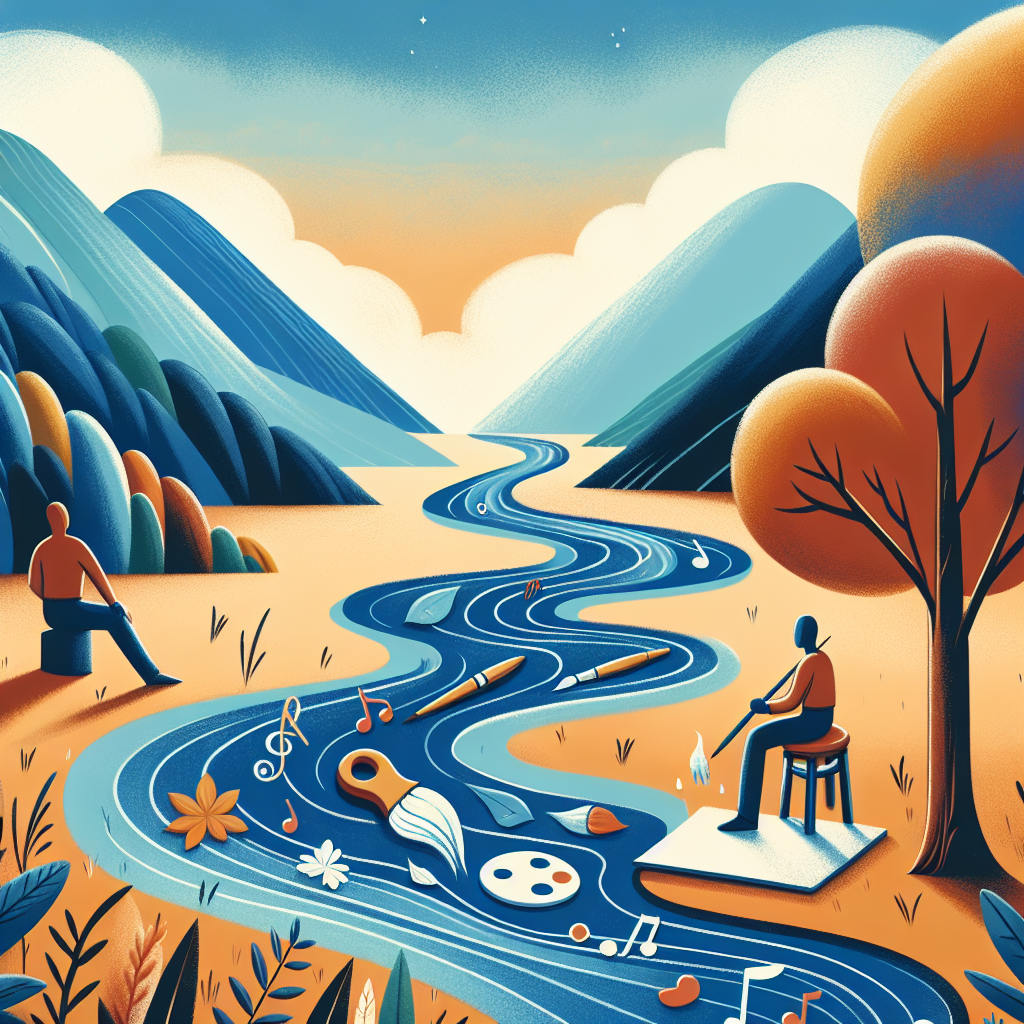
The Healing Nature of Creative Flow
Introduction
In a world that often values productivity over well-being, many individuals find themselves seeking solace and rejuvenation. Amid the demands of daily life, discovering moments of peace and purpose can be challenging. Fortunately, one powerful remedy is available to everyone: the transformative experience of creative flow. Engaging in creative activities not only nurtures the mind but also helps the body and spirit find harmony. This article explores the healing nature of creative flow, examining the science behind it, its effects on mental and physical health, and practical ways to access this enriching state.
Understanding Creative Flow
Creative flow, a term popularized by the psychologist Mihaly Csikszentmihalyi, refers to a mental state in which a person becomes fully immersed in an activity. During flow, the sense of time often fades away, and individuals experience heightened focus and satisfaction. Creative flow is not limited to artists or musicians; it can be achieved through any activity that encourages deep engagement, such as writing, gardening, cooking, or problem-solving.
Key Characteristics of Creative Flow
Total absorption in the present moment
Effortless concentration and clarity
Loss of self-consciousness and time awareness
Sense of control over actions and outcomes
Intrinsic reward derived from the activity itself
The Science Behind Creative Flow
Recent research in psychology and neuroscience provides compelling evidence for the benefits of flow. When individuals enter this state, their brains experience unique patterns of activity. The prefrontal cortex, responsible for self-monitoring and critical thinking, becomes less active. This temporary suspension allows for uninhibited creativity and innovation to flourish.
Simultaneously, neurotransmitters such as dopamine and endorphins are released, enhancing mood and motivation. This natural chemical cocktail not only elevates emotional well-being but also fosters resilience against stress.
How Flow Influences the Brain
Reduction of the inner critic due to decreased self-judgment
Boost in neuroplasticity, which encourages new connections in the brain
Increase in positive emotions, supporting overall mental health
Decreased perception of pain, thanks to endorphin release
All these neurological shifts demonstrate the profound healing potential of creative flow.
The Connection Between Creativity and Well-being
Artistic expression has been used as a healing tool for centuries. From ancient ceremonial dances to modern art therapy, creativity offers a channel for self-exploration and emotional release. Engaging in flow does not only generate feelings of joy but also serves as a potent antidote to anxiety, sadness, and even physical discomfort.
Psychological Benefits
Reduced symptoms of depression and anxiety
Enhanced self-esteem and confidence
Improved emotional regulation
Increased ability to cope with life’s challenges
Creative flow acts as a buffer, insulating individuals from the negative effects of stress and promoting psychological resilience.
Physical Health Improvements
While the mental benefits are widely recognized, creative flow also supports physical health. The relaxation and satisfaction gained through deep creative engagement have tangible effects on the body.
Lowered blood pressure through relaxation response
Improved immune system function
Reduced muscle tension and increased energy
Enhanced restorative sleep
These effects highlight why creative practices are increasingly integrated into holistic wellness programs.
Unlocking Flow Through Different Practices
There is no singular path to creative flow. The gateway differs for everyone and can be found in both artistic and seemingly mundane activities. The crucial factor lies in the approach: full attention, curiosity, and a willingness to lose oneself in the process.
Art and Visual Expression
Painting, drawing, and sculpting invite tactile exploration and visual storytelling. The rhythmic movements involved in art-making help channel emotion and focus the mind. Even those without formal training can benefit, as the act itself and immersion in color and form are more significant than the outcome.
Music and Sound
Playing instruments, singing, or composing music immerses individuals in a world of melody and rhythm. Music connects emotion with physicality, engaging the body’s senses while calming the mind. For many, music’s repetitive patterns act like a meditative anchor, inducing flow and reducing stress.
Writing and Storytelling
Journaling, poetry, and fiction writing can all unlock creative flow. These practices support self-reflection, provide an outlet for emotions, and foster clarity of thought. When words begin to pour out in an uninterrupted stream, barriers dissolve, and inner wisdom comes to light.
Movement and Dance
Physical activities such as dance, yoga, and mindful walking also open doors to flow. Movement synchronizes body and mind, grounding thoughts in the rhythm of breath and motion. This embodied creativity not only supports mental health but also increases body awareness and vitality.
Crafts and Hands-On Projects
Knitting, woodworking, gardening, and other hands-on crafts offer a satisfying combination of sensory stimulation and incremental achievement. The physical act of creating something tangible fosters pride and accomplishment, reinforcing the healing effects of flow.
The Barriers to Flow and How to Overcome Them
Modern life is filled with distractions that can easily disrupt the flow state. Digital notifications, self-doubt, and an overemphasis on productivity sometimes stifle creativity before it begins. Recognizing these barriers and intentionally creating conditions conducive to flow can restore its healing potential.
Common Obstacles
Constant interruptions and lack of quiet space
Perfectionism and fear of judgment
Rigid routines that leave little room for spontaneity
Multitasking and fragmented attention
Strategies for Cultivating Flow
Schedule regular times for creative activities, treating them as essential appointments
Create a dedicated, clutter-free workspace
Set clear intentions, focusing on the process rather than the result
Allow for playfulness and experimentation
Use gentle self-talk to counteract self-criticism
By honoring personal creative impulses and prioritizing engagement over perfection, the path to healing through flow becomes accessible to everyone.
Integrating Creative Flow Into Everyday Life
Embracing the healing nature of creative flow does not require monumental changes. Small, intentional shifts in daily habits can have a profound effect. The key lies in making space for creativity, even in brief intervals, and remaining open to new experiences.
Suggestions for Daily Integration
Start each morning by sketching or jotting down thoughts
Dedicate fifteen minutes after work to a creative hobby
Engage in mindful activities like cooking or gardening with full attention
Pause to listen to a favorite piece of music or create a playlist for relaxation
Reflect on the day by journaling emotions and accomplishments
Fostering a supportive environment, whether alone or with others, amplifies the healing effects and helps establish creativity as a central pillar of well-being.
Creative Flow and Community Healing
While much of creative flow’s healing power is experienced individually, creative activities also foster deeper connections within communities. Participating in group art projects, writing circles, music ensembles, or communal gardens strengthens bonds and encourages a sense of belonging.
Benefits of Collective Creativity
Enhanced empathy and mutual understanding
Decreased social isolation
Shared joy and celebration of diverse perspectives
Collaboration often sparks collective inspiration, magnifying the positive outcomes of flow and reinforcing the vital role creativity plays in a healthy society.
Conclusion
The healing nature of creative flow cannot be overstated. Through dedicated engagement in creative practices, individuals unlock the power to restore balance, nurture emotional resilience, and cultivate joy. Whether through painting, music, writing, movement, or crafts, the benefits extend far beyond the final product. Instead, healing emerges in the process itself—one that is available regardless of skill, age, or background. In embracing flow, people invite harmony between mind, body, and spirit, making creativity not just an extracurricular activity but an essential element of a vibrant, healthy life.
