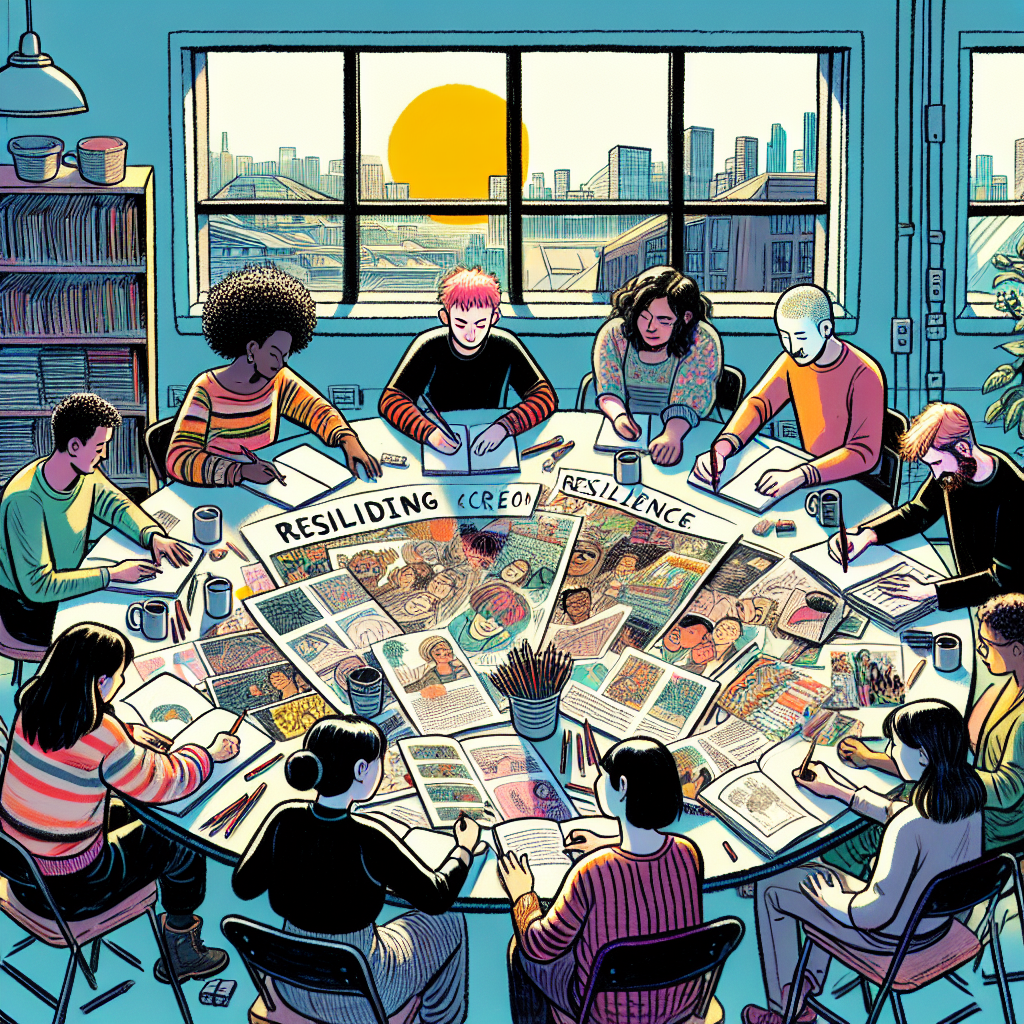
Building Resilience Through Co-Creating a Zine or Publication
Introduction
In an era marked by constant change, uncertainty, and unprecedented challenges, the need for resilience is greater than ever. Resilience is the ability to adapt well in the face of adversity, trauma, or significant sources of stress. Building this capacity is essential for individuals, communities, and organizations alike. One innovative approach to fostering resilience is through the collaborative creation of zines or similar publications. This process does more than generate creative output. It nurtures community ties, empowers participants, and provides a platform for voices that might otherwise go unheard.
Understanding Resilience in the Modern Context
Resilience is often seen as an individual trait. However, it is just as vital at the collective level. In a world where social fragmentation is increasingly prevalent, communal approaches to resilience are gaining recognition. Collaborative creative projects, such as zine or publication making, provide a unique opportunity to build and strengthen resilience among groups.
Essence of Co-creation in Zine-Making
The concept of co-creation involves multiple individuals coming together to contribute their skills, ideas, and perspectives towards a shared goal. In the context of zine making, this means involving diverse contributors in every stage of production, from brainstorming to layout design.
Benefits of Co-Creation
When individuals collaborate on a creative project, the experience can be transformative. Key benefits include:
Sharing responsibility, which fosters a sense of unity
Learning from each other’s experiences and talents
Encouraging diverse perspectives, leading to richer content
Developing deeper bonds among collaborators
Zines as Tools for Expression and Connection
Zines are typically small-circulation, self-published works dedicated to specialized topics or themes. Unlike conventional magazines, zines are often non-commercial and prioritize authenticity over polish. They offer a space for marginalized voices and alternative narratives.
Why Zines Support Resilience
Zines make it possible to:
Express personal and collective experiences in a safe environment
Challenge dominant narratives that may contribute to feelings of isolation
Connect with others through shared themes such as mental health, identity, or activism
Experiment creatively without fear of mainstream rejection
The Process of Co-Creating a Zine
Embarking on the journey of co-creating a zine requires intention, openness, and a willingness to engage with others. The process is as important as the final product, offering countless opportunities for learning and growth.
Establishing a Theme and Purpose
Before production begins, collaborators must determine the central theme or mission of their publication. This clarity guides both the creative process and the curation of contributions.
Possible themes include mental health awareness, cultural identity, climate activism, or personal growth
The chosen topic should be meaningful to the group and relevant to current conversations
Organizing the Team and Roles
Efficient collaboration relies on clear roles and responsibilities. Effective teamwork often involves:
A facilitator to coordinate meetings and keep the project on track
Contributors focusing on writing, illustration, or photography
Editors ensuring clarity and coherence throughout the publication
Designers managing layout and visual elements
Ideation and Content Creation
This stage is the heart of the zine-making process. Collaborators brainstorm ideas, share stories, and generate content that speaks to the central theme.
Workshops or group discussions can spark inspiration and deepen understanding
Sharing personal experiences fosters empathy and solidarity among participants
Inviting guest contributors can add further depth and variety to the publication
Editing and Design
Once content is gathered, it must be curated and refined. Editing for coherence and consistency is essential, but the informal nature of zines allows for creative freedom and flexibility. Visual presentation is also key, as the aesthetic can communicate as much as the text itself.
Distribution and Community Engagement
After production, sharing the finished zine becomes an act of outreach. Distribution can take many forms, from physical copies shared at local events to digital versions disseminated online.
Benefits of Reaching a Wider Audience
Creating a space for readers to identify with the stories and perspectives shared
Inspiring others to consider their own experiences and resilience journeys
Fostering new connections that can support future collaborative endeavors
How Co-Creation Cultivates Resilience
Through collaboration, participants develop core elements of resilience. The zine-making process enables individuals and groups to:
Develop Self-Awareness and Empowerment
Reflecting on personal narratives helps contributors understand their own strengths
Articulating experiences in written or visual form validates emotions and achievements
Encourage Adaptability and Problem-Solving
Navigating creative disagreements and logistical challenges requires flexibility
Finding solutions collectively builds confidence in overcoming future adversities
Foster Social Connection and Belonging
Working as a team reduces feelings of isolation and fosters mutual support
Sharing vulnerabilities in a creative context strengthens bonds among collaborators
Promote Agency and Advocacy
By owning their stories, participants gain a sense of control over their narratives
The publication becomes a tool for advocacy, raising awareness of critical issues
Nurture Hope and Optimism
Witnessing growth and transformation, both individually and collectively, inspires hope for the future
Celebrating accomplishments, no matter how small, enhances morale
Case Studies from Diverse Communities
Examining real-life examples highlights the impact of zine co-creation in building resilience.
Youth-Led Mental Health Zines
In various cities around the world, young people have come together to produce zines focused on mental health. These projects create platforms for shared coping strategies, destigmatize mental illness, and encourage peer-to-peer support. The process empowers young contributors while fostering a sense of belonging.
Community Response During Crisis
When faced with community-wide challenges such as natural disasters or social unrest, groups have compiled zines that document collective experiences, needs, and resources. These publications serve both as historical records and practical guides for recovery. They provide a sense of agency during times of uncertainty.
Intersectional Activist Zines
Activist collectives often use zines to center voices from marginalized communities. Co-created zines on topics like racial justice, gender equality, or environmental action allow for intersectional advocacy and solidarity. The collaborative process unites disparate groups around shared goals, strengthening collective resilience.
Best Practices for Successful Zine Co-Creation
Co-creating a meaningful publication requires intentionality and care. Some recommended practices include:
Establishing psychological safety to ensure all voices are respected
Setting clear expectations and timelines to maintain momentum
Embracing imperfection and prioritizing authenticity over polish
Remaining open to feedback and iterative improvement
Celebrating milestones and recognizing each contributor’s efforts
Potential Challenges and How to Address Them
While the rewards are significant, collaborative zine projects can encounter obstacles. Awareness of these challenges and proactive responses can enhance the process.
Balancing Diverse Perspectives
Creative differences are natural in group settings. Navigating them with empathy and compromise ensures all viewpoints are honored.
Managing Logistics
Project management tools and regular check-ins help maintain coordination, especially in larger groups or remote settings.
Sustaining Engagement
Burnout can affect volunteer-driven projects. Keeping the process enjoyable and meaningful, and distributing responsibilities equitably, helps maintain motivation.
Ensuring Accessibility
Considering the needs of all participants, such as language or technology access, ensures broader participation and inclusivity.
Conclusion
The act of co-creating a zine or publication is a deeply empowering and transformative experience. This creative process enables individuals and communities to harness their collective strengths, articulate shared narratives, and address adversity with resilience. Through collaboration, participants enhance self-awareness, connection, and adaptability, building both personal and communal pathways to thriving in challenging times.
Whether in response to a crisis, in pursuit of advocacy, or for the simple joy of making art together, co-creating a publication offers a hands-on method for nurturing resilience. As interest in alternative media and collective storytelling continues to grow, so too does the potential for zine making to foster stronger, more connected, and more resilient communities.
The journey of co-creating a zine transcends the finished product. It is an ongoing process of learning, growing, and building the networks of support that are crucial for enduring and overcoming life’s challenges. Consider starting a collaborative publication project. You may find that in the act of creation, you uncover not only your own reservoirs of resilience but also those of the people around you.
