Building Resilience Through Participating in Urban Gardening Initiatives
Introduction
Urban gardening has emerged as a powerful tool in fostering resilience within communities. As cities continue to grow and face challenges such as climate change, food insecurity, and social isolation, urban gardening initiatives offer a multifaceted solution. These initiatives not only provide fresh produce but also enhance community ties, promote environmental sustainability, and improve mental health. This article explores the various dimensions of resilience that urban gardening initiatives support and how individuals and communities can benefit from participating in them.
The Rise of Urban Gardening
Urban gardening has seen a significant increase in popularity over the past few decades. This growth can be attributed to several factors, including the increasing awareness of environmental issues, the need for sustainable food sources, and the desire for community engagement. Urban gardening takes many forms, from small community gardens and rooftop plots to vertical gardens and hydroponic systems.
– **Community Gardens**: These are shared spaces where individuals come together to cultivate plants. Community gardens often serve as hubs for social interaction and environmental education.
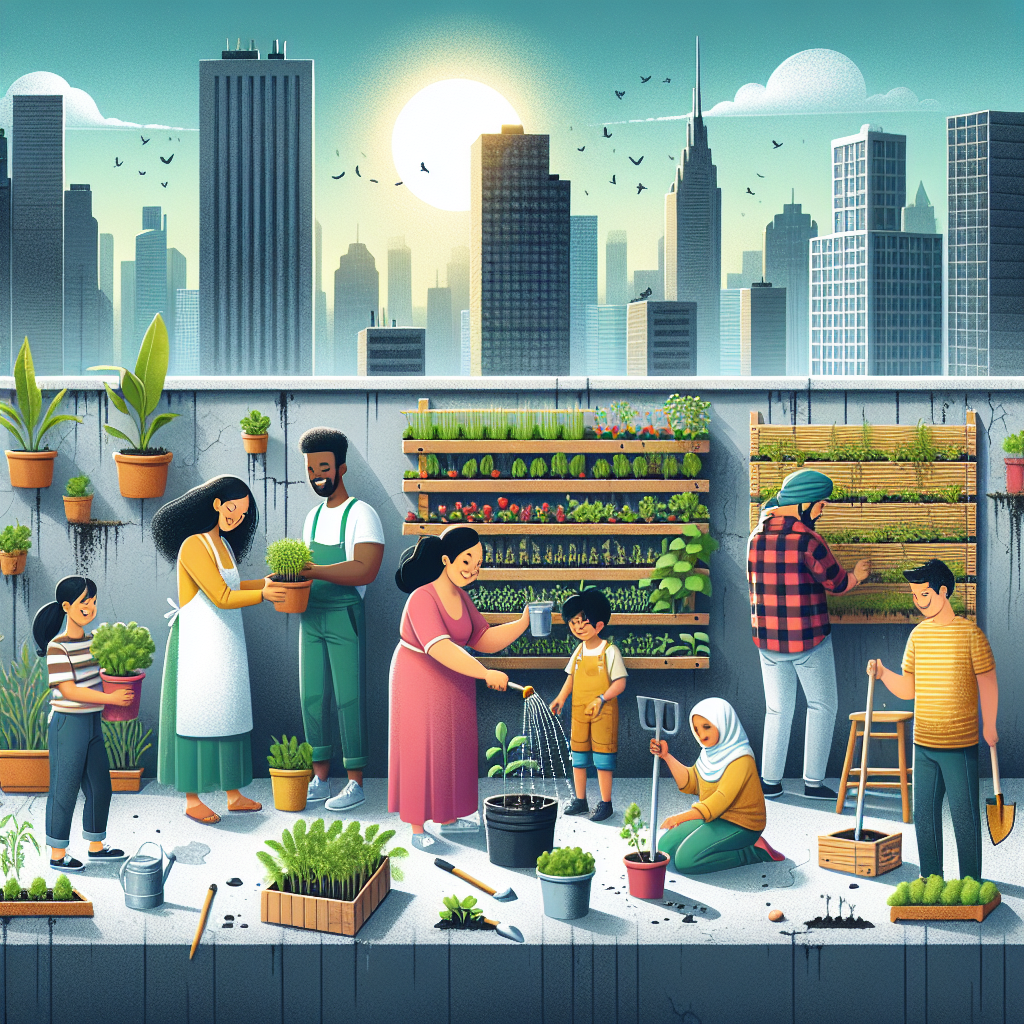
– **Rooftop Gardens**: Utilizing the often-underused space on rooftops, these gardens can help reduce urban heat and provide insulation for buildings.
– **Vertical Gardens**: Ideal for areas with limited space, vertical gardens use structures to grow plants upwards, maximizing space efficiency.
– **Hydroponics and Aquaponics**: These soil-less systems allow for the cultivation of plants in water, often resulting in faster growth and higher yields.
Enhancing Food Security
One of the primary benefits of urban gardening is its contribution to food security. In many urban areas, access to fresh produce is limited, leading to reliance on processed and unhealthy food options. Urban gardening initiatives help address this issue by:
– **Providing Fresh Produce**: Gardens can produce a variety of fruits, vegetables, and herbs, ensuring that community members have access to nutritious food.
– **Reducing Food Miles**: By growing food locally, urban gardens minimize the distance food travels from farm to table, reducing carbon emissions and preserving food quality.
– **Empowering Communities**: By teaching gardening skills, these initiatives empower individuals to grow their own food, reducing dependence on external food sources.
Building Social Cohesion
Urban gardening initiatives play a crucial role in fostering social cohesion and community spirit. They provide a platform for individuals from diverse backgrounds to come together, share experiences, and work towards common goals. Key aspects of social cohesion facilitated by urban gardening include:
– **Community Engagement**: Gardens serve as gathering places where community members can interact, collaborate, and build relationships.
– **Cultural Exchange**: Participants often share traditional gardening practices and culinary traditions, enriching the cultural fabric of the community.
– **Volunteer Opportunities**: Gardening projects often rely on volunteers, providing opportunities for individuals to contribute to their community and gain a sense of purpose.
Promoting Environmental Sustainability
Urban gardening is inherently linked to environmental sustainability. By transforming underutilized urban spaces into green areas, these initiatives contribute to the ecological health of cities. The environmental benefits of urban gardening include:
– **Biodiversity Enhancement**: Gardens provide habitats for a variety of species, promoting biodiversity in urban areas.
– **Pollution Reduction**: Plants in urban gardens help filter air pollutants, improving air quality.
– **Water Management**: Gardens can help manage stormwater runoff, reducing the risk of flooding and water pollution.
– **Urban Heat Reduction**: Green spaces help mitigate the urban heat island effect, cooling cities and reducing energy consumption.
Improving Mental Health and Well-being
The mental health benefits of gardening are well-documented, and urban gardening initiatives offer accessible opportunities for individuals to experience these benefits. Engaging with nature through gardening can lead to:
– **Stress Reduction**: Gardening has been shown to lower stress levels and improve mood, providing a therapeutic escape from urban life.
– **Physical Activity**: The physical nature of gardening promotes exercise, contributing to overall health and well-being.
– **Mindfulness and Relaxation**: Gardening encourages mindfulness, allowing individuals to focus on the present moment and find relaxation.
Challenges and Solutions
While urban gardening offers numerous benefits, it is not without its challenges. Addressing these challenges is crucial to ensuring the success and sustainability of urban gardening initiatives.
– **Limited Space**: Urban areas often have limited space for gardening. Solutions include utilizing rooftops, vertical spaces, and community partnerships to access land.
– **Soil Contamination**: Urban soil can be contaminated with pollutants. Raised beds and soil testing can mitigate this issue.
– **Resource Access**: Access to water and gardening supplies can be limited. Community partnerships and local government support can help provide necessary resources.
– **Community Engagement**: Sustaining community interest and participation can be challenging. Regular events, workshops, and clear communication can maintain engagement.
Case Studies: Successful Urban Gardening Initiatives
Examining successful urban gardening initiatives provides valuable insights into best practices and potential models for other communities.
– **New York City’s GreenThumb Program**: As one of the largest community gardening programs in the United States, GreenThumb supports over 600 gardens, providing resources and support to community gardeners.
– **Havana’s Urban Agriculture Movement**: In response to food shortages, Havana transformed vacant lots into productive urban farms, significantly improving food security and community resilience.
– **Singapore’s Community in Bloom Program**: This initiative encourages residents to create and maintain gardens, enhancing green spaces and fostering community spirit.
Conclusion
Urban gardening initiatives offer a multifaceted approach to building resilience in urban communities. By enhancing food security, promoting social cohesion, supporting environmental sustainability, and improving mental health, these initiatives address some of the most pressing challenges faced by modern cities. Despite the challenges they face, urban gardening initiatives continue to thrive, driven by the passion and commitment of individuals and communities. As cities continue to grow and evolve, urban gardening will undoubtedly play an increasingly important role in fostering resilient, sustainable, and vibrant communities.
