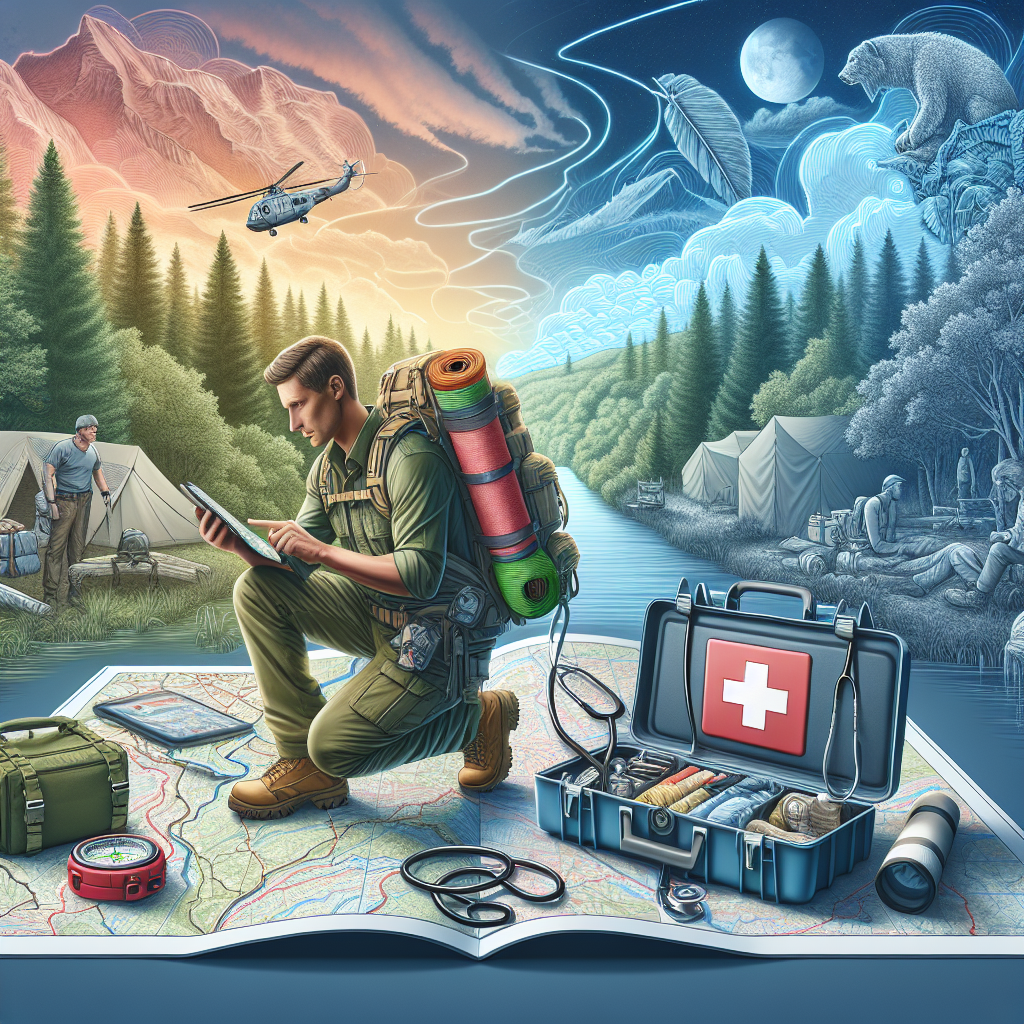
Exploring the Intersection of Wilderness Medicine and Personal Preparedness
In an era where outdoor adventures are increasingly popular, the importance of wilderness medicine and personal preparedness has never been more relevant. Whether one is an avid hiker, a weekend camper, or simply someone who enjoys the occasional outdoor excursion, understanding the principles of wilderness medicine can significantly enhance personal safety and preparedness. This article delves into the connection between wilderness medicine and personal preparedness, offering insights into how these disciplines intersect to foster a culture of safety, resilience, and self-reliance.
Understanding Wilderness Medicine
Wilderness medicine is a specialized field of medical practice that focuses on the prevention, diagnosis, and treatment of injuries and illnesses that occur in remote or austere environments. Unlike urban settings, where medical facilities are readily accessible, wilderness environments pose unique challenges that require specialized knowledge and skills.
Key Aspects of Wilderness Medicine
– **Limited Resources**: Wilderness medicine often involves managing medical emergencies with limited resources. Practitioners must be adept at improvising with available materials.
– **Delayed Access to Care**: In remote settings, professional medical assistance may be hours or even days away. Wilderness medicine emphasizes the importance of stabilizing patients until help arrives.
– **Environmental Hazards**: Practitioners must be knowledgeable about environmental hazards such as extreme weather, wildlife encounters, and altitude sickness.
– **Preventive Measures**: Emphasis is placed on preventive measures, including proper planning, risk assessment, and the use of appropriate gear and clothing.
The Role of Personal Preparedness
Personal preparedness refers to the state of being ready to deal with emergencies and unexpected situations, particularly in outdoor settings. It involves a combination of knowledge, skills, and resources that enable individuals to respond effectively to challenges.
Components of Personal Preparedness
– **Knowledge and Skills**: Understanding basic first aid, navigation, and survival skills is crucial for personal preparedness in wilderness settings.
– **Emergency Kits**: Carrying a well-stocked emergency kit tailored to the specific environment and activities planned can be lifesaving.
– **Risk Assessment**: Being able to assess potential risks and make informed decisions is a key aspect of personal preparedness.
– **Mental Preparedness**: Developing a mindset that is calm, adaptable, and resourceful is essential for handling unexpected situations.
The Intersection of Wilderness Medicine and Personal Preparedness
The connection between wilderness medicine and personal preparedness is evident in their shared goal of ensuring safety and resilience in challenging environments. By integrating the principles of wilderness medicine into personal preparedness strategies, individuals can enhance their ability to manage emergencies effectively.
Enhancing Safety Through Education
Education is a critical component that bridges wilderness medicine and personal preparedness. By educating oneself about the principles of wilderness medicine, individuals can better prepare for outdoor adventures and increase their capacity to respond to emergencies.
– **Wilderness First Aid Courses**: These courses provide foundational knowledge and skills in managing medical emergencies in remote settings. Participants learn how to assess and stabilize injuries, manage environmental hazards, and improvise with limited resources.
– **Scenario-Based Training**: Engaging in scenario-based training helps individuals apply their knowledge in realistic settings, enhancing their ability to think critically and respond effectively under pressure.
– **Online Resources and Literature**: Numerous online resources and literature are available for those seeking to deepen their understanding of wilderness medicine and personal preparedness.
Building Resilience Through Experience
Experience is an invaluable teacher when it comes to wilderness medicine and personal preparedness. By actively engaging in outdoor activities and applying learned skills, individuals can build resilience and confidence in their ability to handle emergencies.
– **Practice Makes Perfect**: Regular practice of skills such as navigation, shelter building, and first aid can reinforce knowledge and improve proficiency.
– **Learning from Mistakes**: Mistakes are inevitable, but they provide valuable learning opportunities. Reflecting on past experiences can help individuals identify areas for improvement.
– **Group Activities**: Participating in group activities allows individuals to learn from others, share knowledge, and develop teamwork skills that are essential in emergency situations.
The Importance of Mental Preparedness
Mental preparedness is a crucial aspect of both wilderness medicine and personal preparedness. In high-stress situations, maintaining a calm and focused mindset can make the difference between a successful outcome and a disaster.
– **Stress Management Techniques**: Techniques such as deep breathing, visualization, and mindfulness can help individuals manage stress and maintain clarity in emergency situations.
– **Decision-Making Under Pressure**: Developing the ability to make sound decisions under pressure is a key component of mental preparedness. This involves assessing situations objectively and prioritizing actions based on available information.
– **Adaptability and Resourcefulness**: The ability to adapt to changing circumstances and utilize available resources creatively is essential for effective problem-solving in wilderness settings.
The Role of Technology in Wilderness Medicine and Personal Preparedness
Technology plays an increasingly important role in enhancing wilderness medicine and personal preparedness. From communication devices to navigation tools, technology can provide critical support in emergency situations.
– **GPS and Navigation Apps**: These tools help individuals navigate unfamiliar terrain and avoid getting lost, reducing the risk of emergencies.
– **Emergency Communication Devices**: Devices such as satellite phones and personal locator beacons enable individuals to call for help when traditional communication methods are unavailable.
– **Weather Apps and Alerts**: Staying informed about weather conditions can help individuals plan their activities and avoid hazardous situations.
Balancing Technology with Traditional Skills
While technology offers valuable support, it is important to balance its use with traditional skills. Overreliance on technology can lead to complacency and a lack of preparedness when devices fail or are unavailable.
– **Skill Development**: Developing skills such as map reading, compass navigation, and natural shelter building ensures individuals are prepared even without technological assistance.
– **Technology as a Supplement**: Technology should be viewed as a supplement to, rather than a replacement for, traditional skills and knowledge.
Fostering a Culture of Safety and Preparedness
Ultimately, the connection between wilderness medicine and personal preparedness lies in fostering a culture of safety and preparedness. By embracing the principles of both disciplines, individuals can contribute to a safer and more resilient outdoor community.
– **Promoting Awareness**: Sharing knowledge and experiences with others raises awareness about the importance of wilderness medicine and personal preparedness.
– **Encouraging Responsible Practices**: Encouraging responsible practices, such as Leave No Trace principles and proper trip planning, enhances safety and preserves the natural environment.
– **Building Community**: Building a supportive community of like-minded individuals fosters collaboration, knowledge sharing, and mutual support in emergency situations.
Conclusion
The connection between wilderness medicine and personal preparedness is a vital one, offering individuals the knowledge, skills, and mindset needed to navigate the challenges of outdoor environments safely. By embracing education, experience, mental preparedness, and technology, individuals can enhance their personal preparedness and contribute to a culture of safety and resilience. As outdoor adventures continue to captivate the hearts of many, the integration of wilderness medicine into personal preparedness strategies remains an essential component of responsible and enjoyable exploration.
