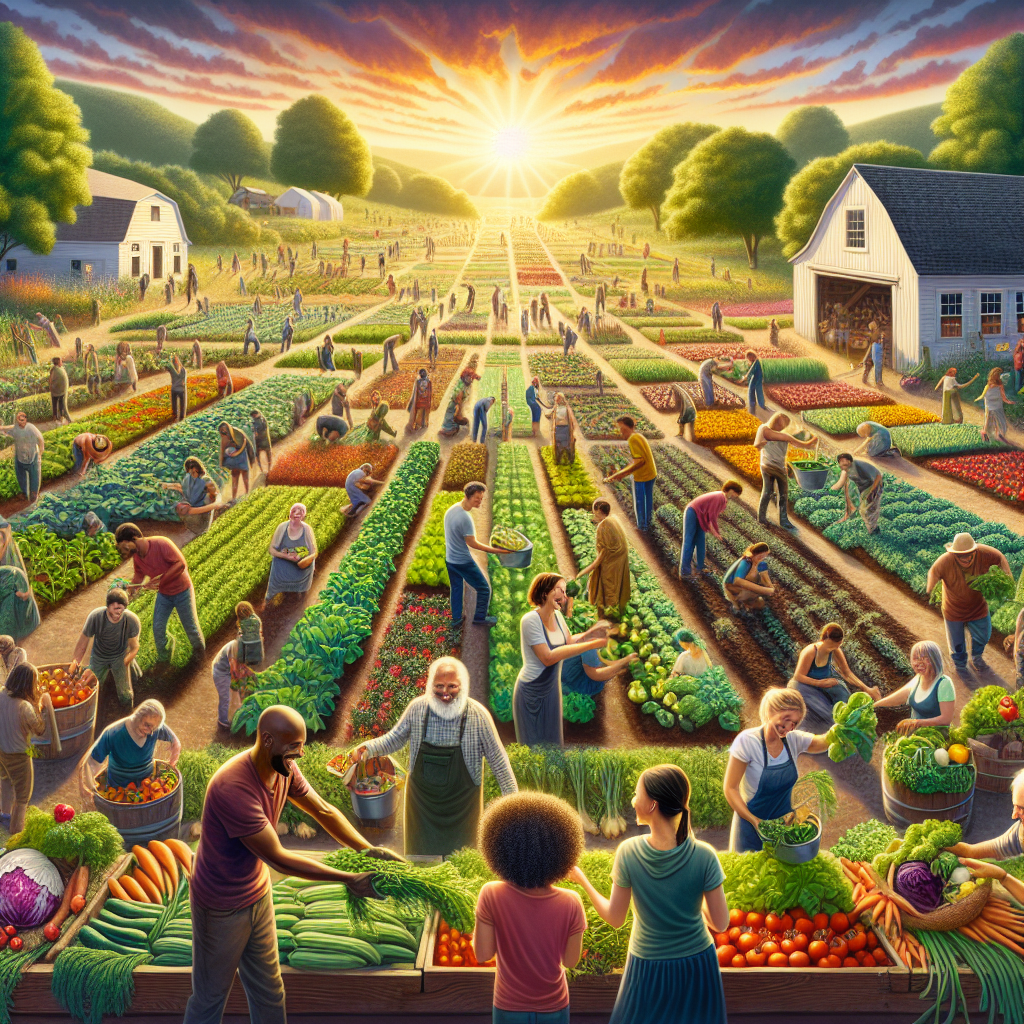
Achieving Happiness Through Sustainable Agriculture and Community Gardens
Introduction
In an increasingly urbanized world, where concrete jungles often replace lush landscapes, the quest for happiness can seem elusive. However, a growing movement towards sustainable agriculture and community gardening is offering a pathway not only to environmental sustainability but also to enhanced personal well-being. This article explores how these green initiatives are fostering happiness by reconnecting individuals with nature, promoting healthy lifestyles, and strengthening community bonds.
The Intersection of Sustainability and Happiness
Sustainability is not merely a buzzword but a crucial approach to ensuring the health of our planet and its inhabitants. Sustainable agriculture and community gardens exemplify this concept by promoting practices that are environmentally friendly, economically viable, and socially responsible. The connection between sustainability and happiness lies in the fulfillment derived from nurturing the earth and contributing to a healthier planet.
Environmental Benefits
– **Biodiversity Conservation**: Sustainable agriculture practices, such as crop rotation and organic farming, help maintain biodiversity by supporting diverse ecosystems.
– **Soil Health**: Techniques like composting and reduced tillage improve soil fertility and structure, leading to more productive and resilient agricultural systems.
– **Water Conservation**: Efficient irrigation methods and rainwater harvesting reduce water usage, preserving this vital resource for future generations.
– **Carbon Sequestration**: Agroforestry and cover cropping capture carbon dioxide from the atmosphere, mitigating climate change impacts.
Personal Well-being
– **Physical Health**: Engaging in gardening activities provides moderate physical exercise, which is beneficial for cardiovascular health and weight management.
– **Mental Health**: The act of gardening has been shown to reduce stress, anxiety, and depression, offering therapeutic benefits through connection with nature.
– **Nutritional Benefits**: Access to fresh, organic produce encourages healthier eating habits, reducing the risk of chronic diseases.
Community Engagement and Social Cohesion
Community gardens serve as a focal point for social interaction, fostering a sense of belonging and collaboration among participants. These shared spaces promote inclusivity and diversity, bringing together people from various backgrounds to work towards common goals.
– **Skill Sharing**: Community gardens provide opportunities for individuals to share knowledge and skills, from gardening techniques to cooking and preserving food.
– **Empowerment**: Participants gain a sense of accomplishment and self-reliance by growing their own food, leading to increased confidence and self-esteem.
– **Cultural Exchange**: These gardens often become melting pots of cultural traditions, where individuals can share their heritage through food and gardening practices.
Case Studies: Success Stories from Around the World
Several successful initiatives around the globe demonstrate the profound impact of sustainable agriculture and community gardens on happiness and well-being.
Detroit, Michigan
In Detroit, a city known for its economic challenges, community gardens have become a beacon of hope. The Detroit Black Community Food Security Network operates several urban farms that not only provide fresh produce but also empower local residents through education and employment opportunities. This initiative has revitalized neighborhoods, reduced food insecurity, and fostered a sense of pride and ownership among community members.
Havana, Cuba
Cuba’s urban agriculture movement is a testament to resilience and innovation. Faced with food shortages in the 1990s, Havana residents turned to urban farming to supplement their diets. Today, the city boasts thousands of urban gardens that produce a significant portion of its fresh food supply. This movement has improved food security, increased access to nutritious produce, and strengthened community ties.
Bristol, United Kingdom
Bristol is renowned for its commitment to sustainability and community engagement. The city hosts numerous community gardens and allotments, where residents cultivate vegetables, fruits, and flowers. These spaces have become vital for social interaction, mental well-being, and environmental education. The Bristol Food Network supports these efforts by connecting local food producers and consumers, promoting sustainable food systems.
Challenges and Solutions
While the benefits of sustainable agriculture and community gardens are undeniable, there are challenges to overcome in order to maximize their potential.
Land Access
One of the primary obstacles is securing land for community gardens, particularly in densely populated urban areas. Innovative solutions include:
– **Rooftop Gardens**: Utilizing rooftops for gardening can maximize space in urban environments while providing insulation benefits for buildings.
– **Vacant Lots**: Transforming unused or abandoned lots into productive garden spaces can revitalize neighborhoods and reduce urban blight.
– **Partnerships**: Collaborating with local governments, businesses, and non-profit organizations can facilitate access to land and resources.
Funding and Resources
Sustainable agriculture initiatives often require financial investment and resources. Strategies to address these needs include:
– **Grants and Sponsorships**: Seeking funding from government programs, foundations, and corporate sponsors can support the establishment and maintenance of community gardens.
– **Volunteer Programs**: Engaging volunteers can provide labor and expertise, reducing operational costs and fostering community involvement.
– **Resource Sharing**: Creating networks for sharing tools, seeds, and knowledge can enhance the efficiency and sustainability of gardening efforts.
Education and Awareness
Raising awareness about the benefits of sustainable agriculture and community gardens is crucial for their widespread adoption. Effective approaches include:
– **Workshops and Training**: Offering educational programs on gardening techniques, sustainability practices, and nutrition can empower individuals to participate actively.
– **Public Campaigns**: Utilizing media, social networks, and community events to promote the positive impacts of gardening can inspire more people to get involved.
– **School Programs**: Integrating gardening into school curricula can instill a love for nature and sustainability in younger generations.
Conclusion
Achieving happiness through sustainable agriculture and community gardens is not just an idealistic vision but a tangible reality for many communities worldwide. By fostering environmental stewardship, promoting personal well-being, and strengthening social connections, these initiatives offer a holistic approach to enhancing quality of life. As more individuals and communities embrace the principles of sustainability, the seeds of happiness will continue to grow, creating a greener, healthier, and more connected world.
