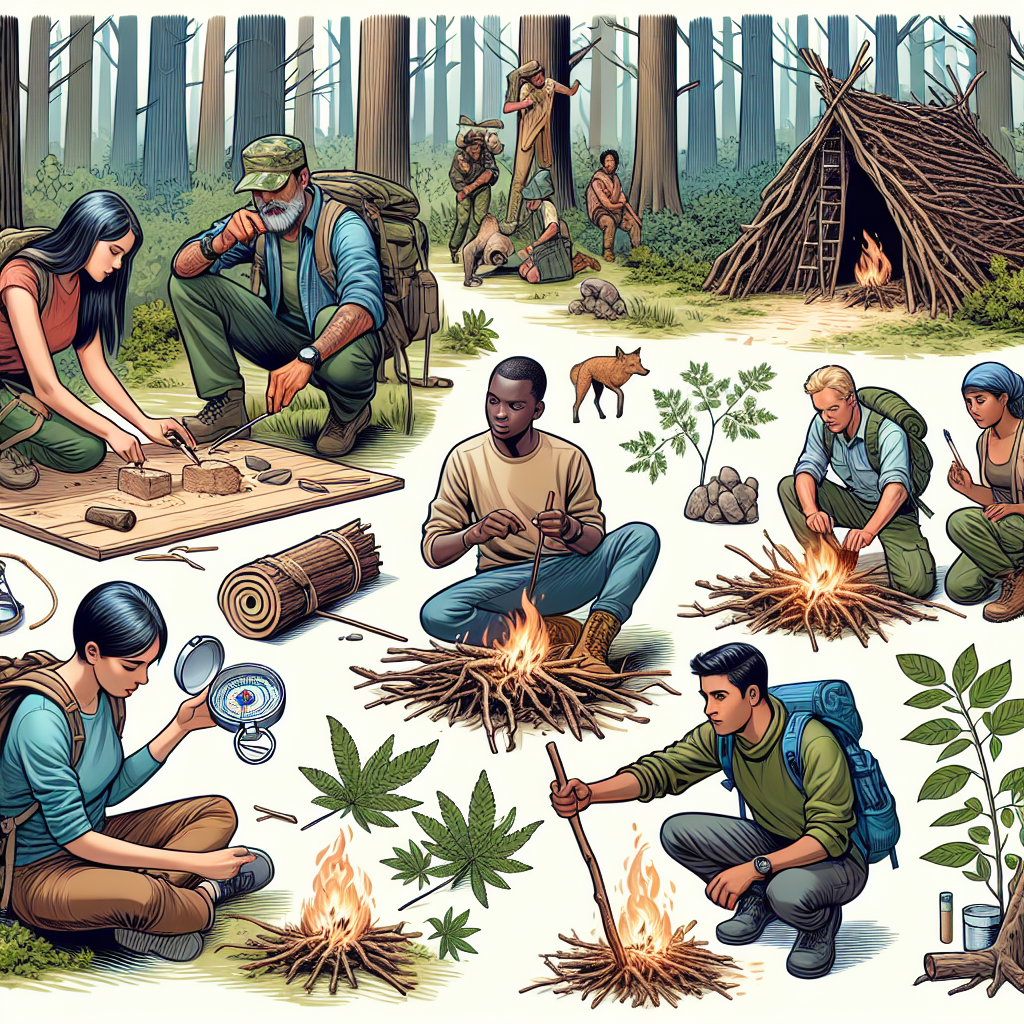
Building Resilience in the Face of Wilderness Survival and Preparedness Training
Introduction
In an increasingly urbanized world, the allure of the wilderness and the call of the wild continue to captivate the human spirit. Whether driven by the desire for adventure or the need to unplug from modern life, more individuals are venturing into the great outdoors. However, the wilderness is as unpredictable as it is beautiful, presenting unique challenges that require both mental and physical preparedness. This article explores the concept of building resilience through wilderness survival and preparedness training, highlighting its importance, key components, and the profound impact it can have on personal development.
The Importance of Wilderness Survival Training
Wilderness survival training is not merely about learning to endure harsh conditions; it is a comprehensive approach to understanding and thriving in nature. As people increasingly seek outdoor experiences, the importance of being prepared cannot be overstated. Here are some reasons why wilderness survival training is essential:
– **Safety**: The wilderness can be unforgiving. Training equips individuals with the skills needed to handle emergencies, minimizing risks and increasing the chances of a safe return.
– **Self-Reliance**: Developing survival skills fosters a sense of independence and self-sufficiency, empowering individuals to rely on their abilities rather than external resources.
– **Mental Toughness**: Facing the challenges of the wilderness builds mental resilience, teaching individuals to remain calm and composed under pressure.
– **Connection with Nature**: Survival training deepens one’s appreciation for nature, promoting environmental stewardship and a greater understanding of natural ecosystems.
Key Components of Wilderness Survival Training
Effective wilderness survival training encompasses a range of skills and knowledge areas. Below are some of the key components essential for building resilience in the wild:
1. **Shelter Building**
Constructing a shelter is often the first priority in a survival situation. Training focuses on identifying suitable locations, using available materials, and constructing shelters that provide protection from the elements.
2. **Fire Craft**
Fire is crucial for warmth, cooking, and signaling for help. Participants learn various methods of fire starting, including friction-based techniques, and how to maintain a fire in different weather conditions.
3. **Water Procurement and Purification**
Access to clean water is vital for survival. Training covers methods for locating, collecting, and purifying water, ensuring it is safe for consumption.
4. **Navigation Skills**
Navigating through the wilderness requires knowledge of maps, compasses, and natural landmarks. Training includes using these tools effectively to avoid getting lost and to find one’s way back to safety.
5. **Foraging and Food Procurement**
Identifying edible plants and hunting or trapping small game are essential skills for sustenance. Training emphasizes recognizing safe food sources and preparing them for consumption.
6. **First Aid and Medical Knowledge**
Injuries and illnesses can occur in the wild. Participants learn basic first aid, including treating wounds, managing fractures, and recognizing signs of dehydration or hypothermia.
7. **Psychological Resilience**
The mental aspect of survival is often overlooked. Training incorporates strategies for maintaining a positive mindset, managing stress, and staying motivated in challenging situations.
The Role of Preparedness in Building Resilience
Preparedness is a proactive approach to survival, involving planning and equipping oneself with the necessary tools and knowledge before heading into the wilderness. It serves as the foundation for resilience, enabling individuals to respond effectively to unexpected situations. Key aspects of preparedness include:
– **Research and Planning**: Understanding the terrain, climate, and potential hazards of the area is crucial. Preparing a detailed plan and sharing it with someone ensures that help can be dispatched if needed.
– **Packing Essentials**: A well-packed survival kit can make a significant difference. Essential items include a first aid kit, multi-tool, map and compass, fire-starting materials, and adequate food and water supplies.
– **Skill Development**: Regular practice of survival skills enhances proficiency and confidence. Joining workshops, courses, or survival groups can provide valuable hands-on experience.
– **Physical Fitness**: The physical demands of the wilderness require a certain level of fitness. Regular exercise and conditioning prepare the body for the challenges of outdoor survival.
The Impact of Wilderness Survival Training on Personal Development
Beyond the practical skills acquired, wilderness survival training has a profound impact on personal development. Participants often experience transformative growth in several areas:
– **Confidence and Self-Esteem**: Successfully navigating survival scenarios boosts confidence and self-esteem, reinforcing the belief in one’s capabilities.
– **Problem-Solving Skills**: The unpredictable nature of the wilderness enhances problem-solving abilities, encouraging creative thinking and adaptability.
– **Leadership and Teamwork**: Group survival exercises foster leadership skills and teamwork, as participants learn to communicate effectively and collaborate towards common goals.
– **Appreciation for Simplicity**: Surviving with minimal resources cultivates an appreciation for simplicity and the essentials of life, often leading to a more mindful and intentional lifestyle.
– **Environmental Awareness**: Immersion in nature heightens environmental awareness, inspiring a commitment to conservation and sustainable practices.
Challenges and Considerations in Wilderness Survival Training
While wilderness survival training offers numerous benefits, it also presents challenges and considerations that must be addressed:
– **Risk of Injury**: Physical activities and exposure to the elements can lead to injuries. Proper training and precautions are necessary to minimize risks.
– **Psychological Stress**: The mental demands of survival can be overwhelming. Training should include psychological support and strategies for managing stress.
– **Environmental Impact**: Training activities can impact the environment. Adhering to Leave No Trace principles ensures minimal ecological disturbance.
– **Cultural Sensitivity**: Respect for indigenous cultures and local communities is essential. Training programs should incorporate cultural awareness and respect for traditional knowledge.
Conclusion
Building resilience through wilderness survival and preparedness training is a journey that extends beyond mastering practical skills. It is an exploration of personal limits, a reconnection with nature, and a commitment to self-improvement. As individuals embrace the challenges of the wild, they discover strengths they never knew they possessed, forging a path towards greater resilience in all aspects of life. Whether for adventure, personal growth, or environmental stewardship, the lessons learned in the wilderness are invaluable, shaping individuals who are not only prepared for the wild but also for the unpredictable journey of life itself.
