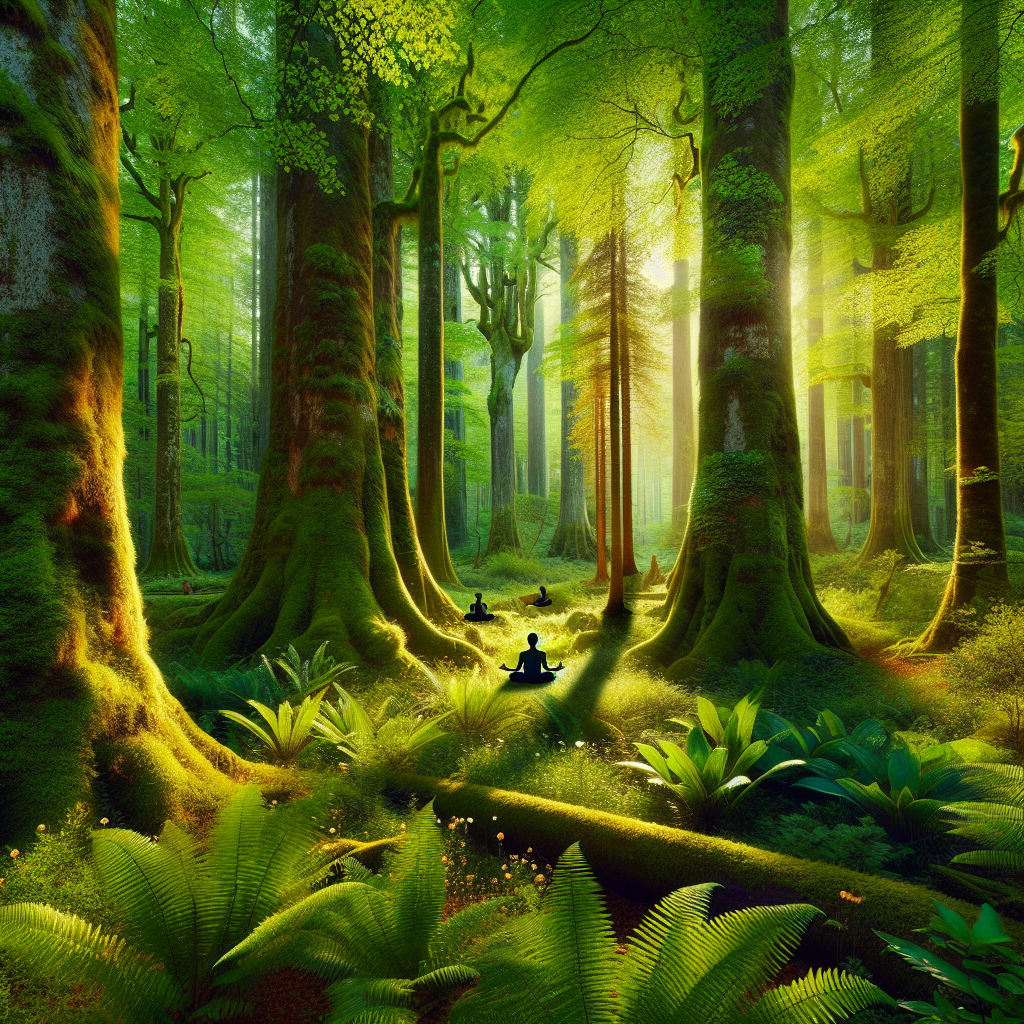
The Power of Forest Therapy: Healing and Well-Being Through Nature
Introduction
In an age where technological advancements and urban living dominate our daily lives, the need to reconnect with nature has never been more pressing. Forest therapy, also known as shinrin-yoku or forest bathing, offers a compelling solution. This practice, which involves immersing oneself in a forest environment, has gained significant attention for its potential to enhance mental, physical, and emotional well-being. This article delves into the concept of forest therapy, its origins, benefits, and how it can be effectively integrated into our lives for holistic healing.
The Origins of Forest Therapy
Forest therapy originated in Japan during the 1980s as a response to the increasing stress and health issues associated with urbanization. The term shinrin-yoku, which translates to “forest bathing,” was coined by the Japanese Ministry of Agriculture, Forestry, and Fisheries. The practice was developed to encourage people to engage with nature as a form of preventive health care and stress management. Over the decades, forest therapy has gained global recognition, with numerous studies supporting its efficacy in promoting well-being.
Understanding Forest Therapy
Forest therapy is more than a mere walk in the woods. It is a mindful practice that involves immersing oneself in the natural environment, engaging all the senses, and allowing nature to provide therapeutic benefits. Participants are encouraged to slow down, breathe deeply, and observe their surroundings without distractions. This mindful interaction with nature helps individuals experience a sense of calm and rejuvenation.
The Science Behind Forest Therapy
Numerous scientific studies have explored the physiological and psychological effects of forest therapy. The findings consistently highlight several key benefits:
– **Reduced Stress Levels**: Exposure to natural environments has been shown to lower cortisol levels, the hormone associated with stress. Spending time in forests can help reduce anxiety and promote relaxation.
– **Improved Mood**: Forest therapy has been linked to increased levels of serotonin, a neurotransmitter that contributes to feelings of happiness and well-being. Participants often report improved mood and reduced symptoms of depression.
– **Enhanced Immune Function**: Phytoncides, natural compounds emitted by trees, have been found to boost the immune system. Inhalation of these compounds can increase the activity of natural killer cells, which play a crucial role in defending the body against infections and cancer.
– **Lower Blood Pressure**: Studies indicate that spending time in nature can lead to a reduction in blood pressure, contributing to overall cardiovascular health.
– **Increased Focus and Creativity**: Being in natural settings has been shown to improve concentration and creativity. The calming effect of nature allows the brain to relax and rejuvenate, enhancing cognitive function.
The Psychological and Emotional Benefits
Beyond the physiological advantages, forest therapy offers profound psychological and emotional benefits. The practice promotes mindfulness, encouraging individuals to be present in the moment and develop a deeper connection with their surroundings. This mindfulness can lead to:
– **Increased Self-Awareness**: By disconnecting from technology and immersing in nature, individuals have the opportunity to reflect on their thoughts and emotions, fostering greater self-awareness and personal growth.
– **Enhanced Emotional Resilience**: Regular engagement with nature can build emotional resilience, helping individuals cope better with life’s challenges and reducing the risk of mental health issues.
– **Improved Relationships**: Forest therapy can be a communal activity, fostering social connections and strengthening relationships. Shared experiences in nature can enhance communication and empathy among participants.
Integrating Forest Therapy into Daily Life
Incorporating forest therapy into one’s routine does not require living near a forest or having extensive free time. Here are some practical tips for integrating this practice into daily life:
– **Local Parks and Green Spaces**: Utilize local parks and green spaces for regular walks. Even short visits can provide restorative benefits.
– **Mindful Walking**: Practice mindful walking by focusing on the sensations of walking, the sounds of nature, and the sights around you. Leave digital devices behind to fully engage with the environment.
– **Guided Forest Therapy Sessions**: Consider participating in guided forest therapy sessions led by trained professionals. These sessions provide structured experiences that maximize the therapeutic benefits of nature.
– **Nature Retreats**: Plan occasional retreats to natural settings, allowing for extended periods of immersion in nature. These retreats offer opportunities for deeper relaxation and reflection.
– **Gardening and Outdoor Activities**: Engage in gardening or other outdoor activities as a way to connect with nature. These activities provide a sense of accomplishment and a direct connection to the natural world.
The Role of Forest Therapy in Modern Healthcare
As the benefits of forest therapy become increasingly recognized, there is a growing interest in integrating this practice into modern healthcare systems. Several countries have begun to incorporate nature-based interventions into public health strategies. This approach acknowledges the importance of holistic health and the role of natural environments in promoting well-being.
Healthcare providers are encouraged to consider forest therapy as a complementary treatment for various conditions, including stress, anxiety, depression, and hypertension. By prescribing time in nature, healthcare professionals can offer patients a natural and effective means of improving their health.
Challenges and Considerations
While forest therapy offers numerous benefits, there are challenges and considerations to address:
– **Accessibility**: Not everyone has easy access to forests or natural settings. Efforts should be made to create more green spaces in urban areas and ensure that forest therapy is accessible to all individuals.
– **Cultural Sensitivity**: Forest therapy should be practiced with respect for local cultures and traditions. Understanding the cultural significance of natural spaces is essential for meaningful and respectful engagement.
– **Environmental Impact**: As interest in forest therapy grows, it is crucial to consider the environmental impact of increased human activity in natural areas. Sustainable practices and conservation efforts should be prioritized to protect these environments for future generations.
Conclusion
Forest therapy presents a powerful opportunity to reconnect with nature and enhance overall well-being. Its benefits, supported by scientific research, encompass physical, psychological, and emotional dimensions. By integrating forest therapy into daily life and healthcare practices, individuals can experience profound healing and personal growth. As we continue to navigate the complexities of modern life, embracing the power of nature may be one of the most effective ways to achieve balance and harmony.
