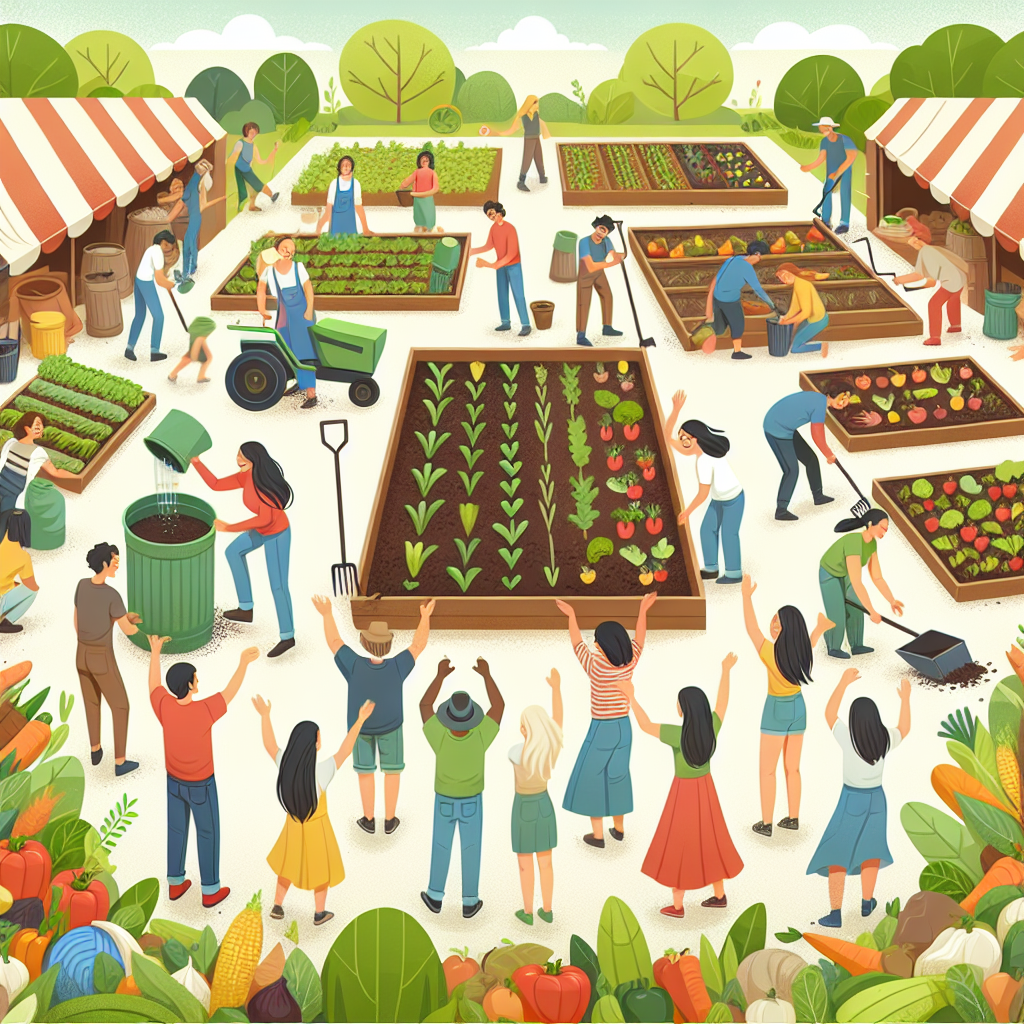
Achieving Happiness Through Sustainable Agriculture and Community Gardens
Introduction
In recent years, the pursuit of happiness has increasingly intersected with the movement towards sustainable living. As individuals and communities seek more meaningful and fulfilling lives, sustainable agriculture and community gardens have emerged as powerful catalysts for personal and collective well-being. These initiatives not only promote environmental health but also foster social connections, improve physical health, and enhance emotional well-being. This article delves into how sustainable agriculture and community gardens contribute to happiness and explores the multifaceted benefits they offer to individuals and communities.
Understanding Sustainable Agriculture
Sustainable agriculture is a holistic approach to farming that prioritizes environmental health, economic profitability, and social equity. It seeks to meet the needs of the present without compromising the ability of future generations to meet their own needs. Key principles of sustainable agriculture include:
– **Environmental stewardship**: Practices that protect and enhance the natural environment, such as crop rotation, organic farming, and integrated pest management.
– **Economic viability**: Ensuring that farming practices are economically sustainable for farmers and communities.
– **Social responsibility**: Supporting fair labor practices, community well-being, and equitable access to resources.
Sustainable agriculture not only addresses the pressing challenges of climate change and resource depletion but also plays a crucial role in enhancing the quality of life for those involved in the agricultural process.
The Rise of Community Gardens
Community gardens have become increasingly popular as urban and suburban populations look for ways to reconnect with nature and their communities. These shared spaces, where individuals come together to cultivate plants, offer numerous benefits:
– **Access to fresh produce**: Community gardens provide access to fresh fruits and vegetables, often in areas where such resources are scarce.
– **Environmental benefits**: These gardens contribute to urban biodiversity, reduce heat islands, and improve air quality.
– **Social cohesion**: By bringing people together, community gardens foster a sense of community and belonging, bridging cultural and generational gaps.
The rise of community gardens reflects a growing desire to create sustainable, vibrant communities that prioritize both environmental and social well-being.
Enhancing Physical Health
One of the most tangible benefits of sustainable agriculture and community gardens is the improvement in physical health. Engaging in gardening activities provides a moderate form of exercise that can enhance cardiovascular health, increase flexibility, and improve strength. Additionally, the physical labor involved in gardening can help reduce stress levels and promote better sleep.
– **Nutritional benefits**: Access to fresh, organic produce encourages healthier eating habits and reduces reliance on processed foods.
– **Reduced risk of chronic diseases**: A diet rich in fruits and vegetables is associated with a lower risk of obesity, diabetes, and heart disease.
– **Increased physical activity**: Gardening requires physical effort, which can help individuals maintain a healthy weight and improve overall fitness.
By promoting healthier lifestyles, sustainable agriculture and community gardens play a crucial role in enhancing physical health and well-being.
Fostering Social Connections
Social connections are a fundamental component of happiness, and community gardens provide an ideal setting for fostering these connections. By bringing together people from diverse backgrounds, community gardens create opportunities for social interaction, collaboration, and mutual support.
– **Building friendships**: Working alongside others in a garden setting can lead to the formation of lasting friendships and social networks.
– **Cultural exchange**: Community gardens often bring together individuals from different cultural backgrounds, facilitating the exchange of knowledge, traditions, and experiences.
– **Collective problem-solving**: Gardeners often collaborate to address challenges, such as pest control or resource allocation, fostering a sense of teamwork and shared purpose.
Through these interactions, community gardens help reduce feelings of isolation and loneliness, contributing to greater social cohesion and happiness.
Enhancing Emotional Well-being
The emotional benefits of sustainable agriculture and community gardens are profound. Engaging with nature has been shown to reduce stress, anxiety, and depression while promoting feelings of calm and relaxation. The act of nurturing plants and watching them grow can be a deeply satisfying and therapeutic experience.
– **Mindfulness and presence**: Gardening encourages individuals to be present in the moment, fostering mindfulness and reducing the impact of stressors.
– **Sense of accomplishment**: The tangible results of gardening efforts, such as a bountiful harvest, provide a sense of achievement and fulfillment.
– **Connection to nature**: Spending time outdoors and engaging with the natural world can enhance mood and increase feelings of happiness and contentment.
By nurturing both plants and personal well-being, sustainable agriculture and community gardens offer a powerful antidote to the stresses of modern life.
Promoting Environmental Stewardship
Sustainable agriculture and community gardens also play a critical role in promoting environmental stewardship. By adopting practices that minimize environmental impact, these initiatives contribute to the health of ecosystems and biodiversity.
– **Soil health**: Techniques such as composting and crop rotation improve soil fertility and reduce the need for chemical fertilizers.
– **Water conservation**: Sustainable practices, such as rainwater harvesting and drip irrigation, help conserve water resources.
– **Pollinator support**: Community gardens often include plants that attract pollinators, supporting biodiversity and ecosystem health.
By cultivating a deeper connection to the environment, individuals involved in sustainable agriculture and community gardens are more likely to adopt environmentally responsible behaviors in other areas of their lives.
Economic Benefits and Community Empowerment
Beyond personal well-being, sustainable agriculture and community gardens offer significant economic benefits and empower communities. These initiatives can stimulate local economies, create jobs, and provide opportunities for skill development.
– **Job creation**: Sustainable agriculture and community gardens create employment opportunities in farming, education, and community outreach.
– **Skill development**: Participants gain valuable skills in gardening, food production, and environmental stewardship, which can enhance employability.
– **Local economic development**: By supporting local food systems, these initiatives contribute to economic resilience and reduce reliance on external resources.
Through economic empowerment and skill development, sustainable agriculture and community gardens contribute to the overall prosperity and happiness of communities.
Conclusion
The pursuit of happiness is a complex and multifaceted journey, but sustainable agriculture and community gardens offer a promising path. By promoting physical health, fostering social connections, enhancing emotional well-being, and encouraging environmental stewardship, these initiatives provide a holistic approach to achieving happiness. As communities continue to embrace sustainable practices and create spaces for collective growth, the potential for personal and societal transformation becomes increasingly tangible. Sustainable agriculture and community gardens are not just about growing food; they are about cultivating happiness and resilience for individuals and communities alike.
