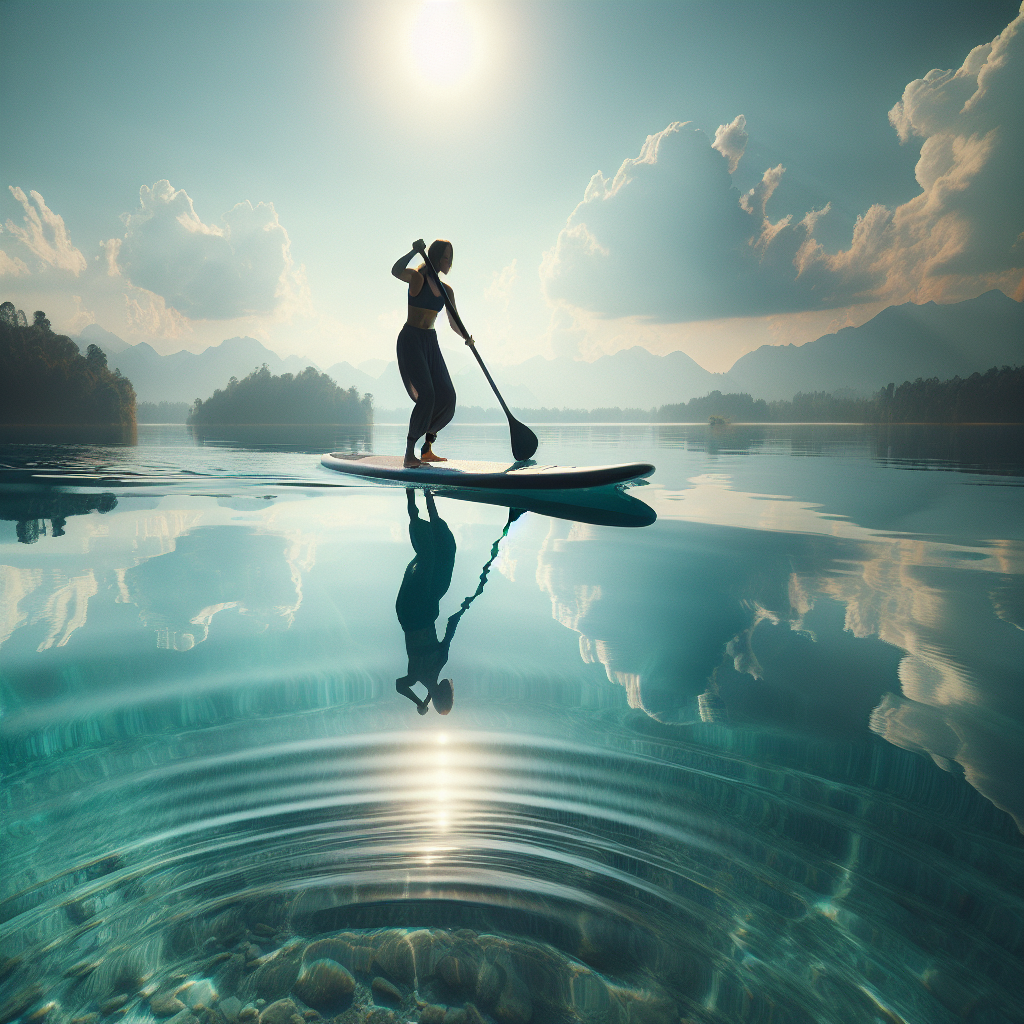
The Art of Mindful Stand-Up Paddleboarding: Finding Balance and Serenity on Water
Introduction
Stand-up paddleboarding (SUP) has surged in popularity over recent years, captivating outdoor enthusiasts with its unique combination of adventure, exercise, and tranquility. This water sport, which involves standing on a large board and propelling oneself with a paddle, offers more than just physical benefits. It provides an opportunity for mindfulness, allowing participants to connect with nature and find inner peace. This article explores the art of mindful stand-up paddleboarding, delving into its physical and mental health benefits, techniques for achieving mindfulness on the water, and tips for beginners to embark on their journey.
The Rise of Stand-Up Paddleboarding
Stand-up paddleboarding originated in Hawaii, where surfers used paddles to navigate the waves. Over time, it evolved into a distinct sport, gaining global recognition for its accessibility and versatility. Unlike traditional surfing, SUP does not require waves, making it suitable for various water bodies, from oceans to lakes and rivers. Its appeal lies in its simplicity, allowing individuals of all ages and fitness levels to participate.
The Physical Benefits of Stand-Up Paddleboarding
Engaging in stand-up paddleboarding offers a comprehensive workout that targets multiple muscle groups. The act of balancing on the board activates the core muscles, enhancing stability and strength. As paddlers propel themselves through the water, they engage their arms, shoulders, and back, promoting upper body strength and endurance. Additionally, SUP is a low-impact exercise, reducing the risk of injury while providing an effective cardiovascular workout. Regular practice can improve overall fitness, flexibility, and posture.
The Mental Health Benefits of Mindful Paddleboarding
Beyond its physical advantages, stand-up paddleboarding serves as a powerful tool for mental well-being. The rhythmic motion of paddling, combined with the soothing sounds of water, creates a meditative experience that fosters mindfulness. Mindfulness, the practice of being present and fully engaged in the moment, has been shown to reduce stress, anxiety, and depression. By focusing on the sensations of the body and the surrounding environment, paddlers can achieve a state of calm and clarity.
Cultivating Mindfulness on the Water
To fully embrace the art of mindful paddleboarding, individuals can incorporate specific techniques into their practice. These techniques enhance the connection between body, mind, and nature, transforming a recreational activity into a holistic experience.
– **Breath Awareness**: Begin by focusing on the breath. Inhale deeply through the nose, allowing the lungs to fill with fresh air. Exhale slowly through the mouth, releasing tension and stress. Synchronize the breath with each paddle stroke, creating a harmonious rhythm.
– **Body Scan**: Conduct a mental scan of the body, starting from the toes and moving upwards. Notice any areas of tension or discomfort and consciously relax them. Pay attention to the sensations of the feet on the board, the grip on the paddle, and the movement of muscles.
– **Sensory Engagement**: Engage the senses by observing the environment. Notice the colors of the water, the sound of the paddle slicing through the surface, and the feel of the breeze against the skin. Embrace the sights, sounds, and smells, allowing them to anchor the mind in the present moment.
– **Gratitude Practice**: Cultivate a sense of gratitude for the opportunity to be on the water. Acknowledge the beauty of nature and the privilege of experiencing it firsthand. This practice can enhance feelings of contentment and joy.
Tips for Beginners
For those new to stand-up paddleboarding, embarking on this mindful journey requires preparation and practice. Here are some essential tips to ensure a safe and enjoyable experience:
1. **Choose the Right Equipment**: Select a board that suits your skill level and intended use. Beginners often benefit from wider, more stable boards. Additionally, invest in a quality paddle and a personal flotation device for safety.
2. **Learn Basic Techniques**: Familiarize yourself with the basic paddling techniques, including the forward stroke, sweep stroke, and reverse stroke. Practicing these movements on land before hitting the water can build confidence.
3. **Start in Calm Waters**: Begin your paddleboarding journey in calm, flat waters to gain balance and control. Lakes and slow-moving rivers are ideal for beginners.
4. **Focus on Balance**: Stand with feet shoulder-width apart and knees slightly bent. Engage the core muscles to maintain balance. Keep your gaze on the horizon rather than looking down at the board.
5. **Practice Falling Safely**: Falling is a natural part of learning. Practice falling away from the board to avoid injury. Always wear a leash to stay connected to the board.
6. **Take a Lesson**: Consider taking a lesson from a certified instructor. Professional guidance can accelerate the learning process and ensure proper technique.
Exploring the Connection with Nature
Stand-up paddleboarding offers a unique vantage point to appreciate the natural world. Unlike other water sports, SUP allows paddlers to glide quietly across the water, minimizing disturbances to the environment. This proximity to nature fosters a deeper connection and awareness of the ecosystem. Paddlers may encounter diverse wildlife, from fish and birds to marine mammals, enhancing their appreciation for the delicate balance of life.
The Role of Stand-Up Paddleboarding in Environmental Conservation
As participants in this mindful sport, paddleboarders have a responsibility to protect the natural environments they enjoy. Environmental conservation is integral to preserving the beauty and health of water bodies. Here are some ways paddleboarders can contribute to conservation efforts:
– **Leave No Trace**: Adhere to the principles of Leave No Trace by minimizing environmental impact. Avoid littering and dispose of waste properly. Respect wildlife and maintain a safe distance.
– **Participate in Clean-Up Initiatives**: Join community clean-up events to remove debris from waterways. These efforts contribute to the preservation of aquatic habitats and promote a cleaner environment.
– **Support Sustainable Practices**: Choose eco-friendly equipment and gear. Support companies that prioritize sustainability and environmental responsibility.
– **Educate Others**: Share knowledge about the importance of environmental conservation with fellow paddleboarders. Encourage responsible practices and raise awareness about the impact of human activities on aquatic ecosystems.
The Future of Stand-Up Paddleboarding
The future of stand-up paddleboarding is promising, with continued growth and innovation on the horizon. As more individuals discover the benefits of this mindful sport, advancements in technology and design are enhancing the experience. Boards are becoming lighter and more durable, while paddle designs are improving efficiency and comfort. Additionally, the integration of technology, such as fitness trackers and navigation devices, is providing paddlers with valuable insights into their performance and surroundings.
Conclusion
Stand-up paddleboarding is more than a recreational activity; it is an art form that combines physical exercise with mindfulness and environmental stewardship. By embracing the principles of mindful paddleboarding, individuals can find balance and serenity on the water, enhancing their overall well-being. Whether gliding across a tranquil lake or navigating the gentle waves of the ocean, paddleboarders have the opportunity to connect with nature and experience the profound beauty of the world around them. As this sport continues to evolve, it holds the potential to inspire positive change, fostering a deeper appreciation for the environment and a commitment to its preservation.
