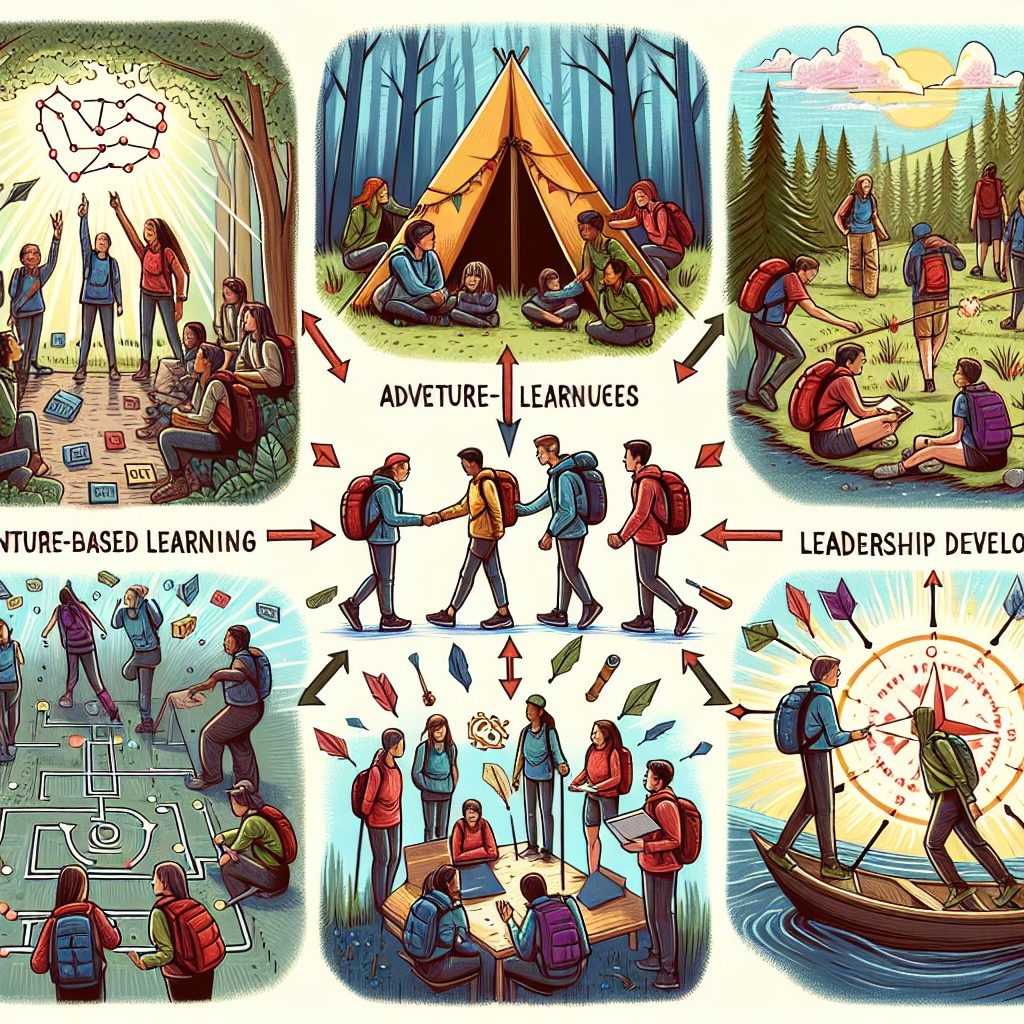
**The Impact of Adventure-Based Learning in Education and Leadership Development**
In recent years, adventure-based learning has emerged as a transformative approach in both education and leadership development. This innovative method leverages experiential activities to foster critical skills such as problem-solving, teamwork, and resilience. By engaging participants in challenging yet supportive environments, adventure-based learning promotes personal growth and enhances leadership capabilities. This article explores the principles behind adventure-based learning, its benefits, and its application in educational and leadership contexts.
**Understanding Adventure-Based Learning**
Adventure-based learning is an experiential learning approach that involves physical activities and challenges designed to foster personal and group development. It is rooted in the belief that learning is most effective when individuals are actively engaged in experiences that require them to apply new skills and knowledge in real-world contexts.
**Core Principles of Adventure-Based Learning**
– **Experiential Learning:** Participants learn through direct experience, reflection, and application. This hands-on approach allows learners to internalize lessons more deeply than traditional classroom methods.
– **Challenge and Risk:** Activities are designed to push participants out of their comfort zones, encouraging them to confront fears and develop resilience. The perceived risk, whether physical, emotional, or social, is carefully managed to ensure safety while maximizing learning outcomes.
– **Group Dynamics:** Many activities are team-based, emphasizing the importance of collaboration, communication, and trust. Participants learn to work effectively with others, a crucial skill in both educational and professional settings.
– **Reflection and Feedback:** Structured reflection sessions are integral to adventure-based learning. Participants are encouraged to reflect on their experiences, identify lessons learned, and receive feedback from peers and facilitators.
**Benefits of Adventure-Based Learning**
Adventure-based learning offers numerous benefits that extend beyond traditional educational outcomes. These advantages are particularly pronounced in areas such as personal development, teamwork, and leadership skills.
**Personal Development**
– **Increased Self-Awareness:** Participants gain insights into their strengths, weaknesses, and personal values. This self-awareness is a critical component of personal growth and development.
– **Enhanced Confidence:** Successfully overcoming challenges boosts self-esteem and confidence. Participants learn to trust their abilities and judgment, which can translate into greater confidence in other areas of life.
– **Improved Problem-Solving Skills:** Adventure-based activities often require participants to think creatively and adapt to changing circumstances. These experiences enhance critical thinking and problem-solving skills.
**Teamwork and Collaboration**
– **Strengthened Communication Skills:** Participants must communicate effectively to succeed in team-based challenges. This experience improves verbal and non-verbal communication skills, essential for effective collaboration.
– **Fostered Trust and Cooperation:** Working together to achieve common goals builds trust and cooperation among participants. These skills are crucial in both educational settings and the workplace.
– **Conflict Resolution:** Participants learn to manage conflicts constructively, an essential skill in any collaborative environment. Adventure-based learning provides a safe space for practicing conflict resolution techniques.
**Leadership Development**
– **Leadership Skills:** Participants have opportunities to lead group activities, allowing them to practice and refine their leadership skills. They learn to motivate and inspire others, delegate tasks, and make informed decisions.
– **Resilience and Adaptability:** Leaders must be resilient and adaptable in the face of challenges. Adventure-based learning helps participants develop these qualities by exposing them to unpredictable and dynamic situations.
– **Vision and Goal Setting:** Participants learn to set and pursue goals, an essential aspect of effective leadership. They develop the ability to articulate a vision and inspire others to work towards it.
**Application in Education**
Adventure-based learning is increasingly being integrated into educational curricula to enhance student engagement and learning outcomes. Schools and universities are recognizing the value of experiential learning in developing well-rounded individuals who are prepared for the complexities of the modern world.
**Enhancing Student Engagement**
– **Active Learning:** Adventure-based activities engage students actively, making learning more enjoyable and memorable. This active involvement leads to higher retention of knowledge and skills.
– **Real-World Application:** Students apply theoretical concepts in practical settings, bridging the gap between classroom learning and real-world application. This approach helps students see the relevance of their studies and motivates them to learn.
**Developing Social and Emotional Skills**
– **Social Interaction:** Adventure-based learning encourages social interaction and collaboration among students. These experiences help students develop essential social skills, such as empathy, cooperation, and communication.
– **Emotional Intelligence:** Students learn to manage emotions and develop emotional intelligence through adventure-based activities. This skill is increasingly recognized as crucial for success in both personal and professional life.
**Promoting Inclusivity and Diversity**
– **Inclusive Learning Environment:** Adventure-based learning creates an inclusive environment where students from diverse backgrounds can collaborate and learn from each other. This inclusivity fosters mutual respect and understanding.
– **Cultural Awareness:** By working with peers from different backgrounds, students gain cultural awareness and sensitivity. These experiences prepare them to thrive in diverse and multicultural environments.
**Application in Leadership Development**
Organizations are increasingly utilizing adventure-based learning to develop leadership skills among employees. This approach is particularly effective in building cohesive teams and preparing future leaders to navigate complex challenges.
**Building Effective Teams**
– **Team Cohesion:** Adventure-based activities strengthen team cohesion by encouraging collaboration and mutual support. Teams learn to work together towards common goals, enhancing overall performance.
– **Shared Experiences:** Shared experiences in challenging environments create strong bonds among team members. These bonds translate into improved teamwork and communication in the workplace.
**Developing Future Leaders**
– **Leadership Potential:** Adventure-based learning identifies and nurtures leadership potential within organizations. Participants are given opportunities to lead and receive feedback on their performance.
– **Strategic Thinking:** Leaders must think strategically and make informed decisions. Adventure-based learning enhances strategic thinking skills by exposing participants to complex and dynamic situations.
**Enhancing Organizational Culture**
– **Positive Culture:** Adventure-based learning contributes to a positive organizational culture by promoting values such as collaboration, resilience, and continuous learning.
– **Employee Engagement:** Engaged employees are more productive and committed to their organizations. Adventure-based learning enhances employee engagement by providing meaningful and rewarding experiences.
**Challenges and Considerations**
While adventure-based learning offers numerous benefits, it is not without challenges. Organizations and educational institutions must carefully consider these factors to ensure successful implementation.
**Safety and Risk Management**
– **Safety Protocols:** Ensuring the safety of participants is paramount. Organizations must implement robust safety protocols and provide adequate training for facilitators.
– **Risk Assessment:** Activities should be carefully assessed for potential risks, and measures should be in place to mitigate these risks. This assessment ensures a balance between challenge and safety.
**Facilitator Expertise**
– **Qualified Facilitators:** Skilled facilitators are essential for successful adventure-based learning programs. They must be trained to guide participants, manage group dynamics, and facilitate reflection sessions.
– **Ongoing Training:** Facilitators should receive ongoing training to stay updated on best practices and emerging trends in adventure-based learning.
**Customization and Relevance**
– **Tailored Programs:** Programs should be tailored to meet the specific needs and goals of participants. Customization ensures that activities are relevant and aligned with desired learning outcomes.
– **Cultural Sensitivity:** Activities should be designed with cultural sensitivity in mind, ensuring that they are inclusive and respectful of diverse backgrounds.
**Conclusion**
Adventure-based learning represents a powerful tool for education and leadership development. By engaging participants in experiential activities, this approach fosters personal growth, enhances teamwork, and develops leadership skills. As educational institutions and organizations continue to recognize the value of adventure-based learning, its integration into curricula and training programs is likely to increase. With careful planning and execution, adventure-based learning can significantly impact individuals and teams, preparing them to navigate the complexities of the modern world with confidence and competence.
