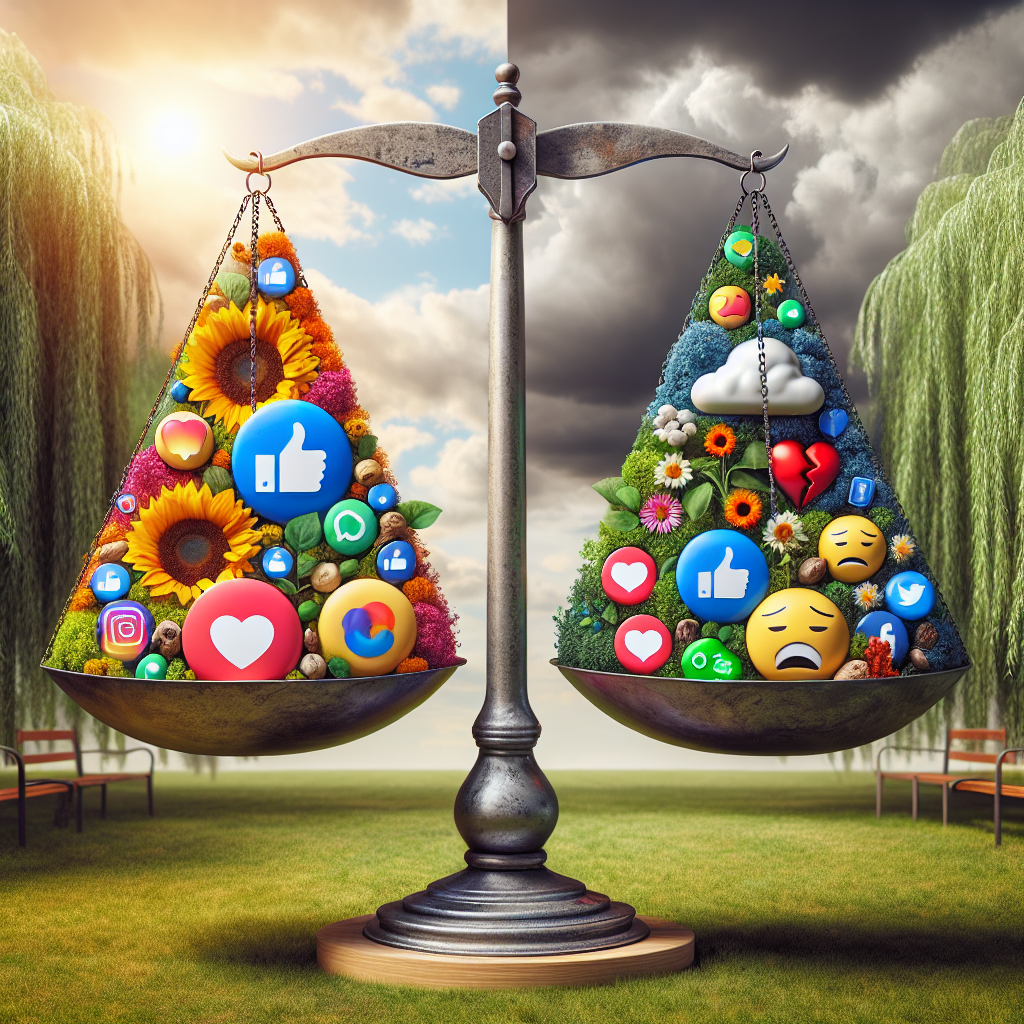
The Influence of Social Media on Our Well-Being
In the digital era, social media has evolved from being a mere platform for socializing to a significant facet of our everyday lives. It is entwined with various aspects of our existence, including communication, news consumption, and entertainment. As we embark on understanding the influence of social media on our well-being, we unearth layers of impact—both positive and negative—that are worth exploring.
Understanding the Reach of Social Media
Social media platforms like Facebook, Twitter, Instagram, and LinkedIn have transcended geographical barriers, boasting billions of users worldwide. These platforms have not only revolutionized the way we connect and share information but also redefined how we perceive and interact with the world around us. Social media has become a tool for empowerment, education, and engagement, influencing all age groups and demographics.
– Global connectivity: The ability to connect with anyone, anywhere, at any time
– Information dissemination: A dynamic channel for news and information
– Engagement and collaboration: Enabling community building and collective action
The Psychological Impact of Social Media
Diving into the psychological dimension, social media has a mixed bag of effects on mental health.
Positives:
1. Social Support Network
– Creating a sense of belonging and community
– Providing platforms for sharing and receiving advice and encouragement
2. Self-expression and Identity Formation
– Offering avenues for personal expression and creativity
– Facilitating the exploration and affirmation of personal identities
3. Learning and Development
– Enabling access to educational content and skill development resources
– Exposure to new ideas and perspectives
Negatives:
1. Anxiety and Depression
– The pressure to conform to idealized lifestyles and appearances
– Comparison with others can lead to feelings of inadequacy and low self-esteem
2. Cyberbullying and Trolling
– Exposure to negative and harmful interactions online
– Persistent fear of being targeted can lead to psychological distress
3. Fear of Missing Out (FOMO)
– The constant update of events and happenings induces anxiety over being left out
– An incessant need to be connected can disrupt mental peace
The Influence on Physical Well-being
The implications of social media on physical health are often overshadowed by its psychological effects. However, these are equally consequential.
1. Sedentary Lifestyle
– Prolonged periods of screen time can lead to a lack of physical activity
– This immobility is a contributing factor to obesity and related health issues
2. Disrupted Sleep Patterns
– Overexposure to screens, especially before bedtime, can affect sleep quality
– Sleep deprivation can have far-reaching effects on overall health
3. Strain on Vision
– Continuous staring at screens can cause eye strain and vision problems
– The emphasis on digital communication can lead to diminished interpersonal skills
The Social Dynamics Transformed by Social Media
Social media has redefined the paradigms of communication and human interaction, influencing social dynamics in multiple ways.
1. Real-time Communication and Networking
– Providing immediate access to communication, breaking time and space constraints
– Encouraging professional networking and opportunities for career advancement
2. Changing Norms of Friendship and Relationships
– Altering the definition of friendships, with a greater emphasis on online interactions
– Shaping the conduct of romantic relationships, including how they start and end
3. Activism and Social Change
– Catalyzing social movements and enabling grassroots activism
– Providing a platform for marginalized voices to be heard
Impact on Economic Well-being
The rise of social media has also played a notable role in influencing the economic dimension of our lives.
1. Marketing and Brand Engagement
– Social media as a dominant marketing tool for businesses to engage with consumers
– Customer feedback and interaction driving product development and brand loyalty
2. Job Creation and the Gig Economy
– Spawning new job roles and careers, such as social media management and content creation
– Enabling gig work and freelancing, offering flexibility and autonomy in employment
3. E-commerce and Online Business
– Permitting the growth of online marketplaces and diversifying the way we shop
– Influencing consumer behavior and purchase decisions through reviews and social proof
The Intergenerational Impact of Social Media
Interestingly, the impact of social media isn’t uniform across all age groups. Different generations experience this influence in disparate ways.
1. Youth and Adolescents
– Greater susceptibility to peer pressure and online trends
– Exposure to both educational and harmful content at a developmental age
2. Adults and Professionals
– Utilizing social media for career growth and networking
– Balancing online presence with professional responsibilities
3. Older Adults
– Using social media to stay connected with family and friends
– Overcoming barriers of isolation and loneliness in later life
Mitigating the Negative Effects of Social Media
Given the multifaceted impact on our well-being, it is essential to adopt strategies to mitigate the negative effects of social media.
1. Digital Literacy and Awareness
– Educating users about safe and responsible social media use
– Promoting awareness about privacy settings and personal data protection
2. Mindful Usage and Hygiene
– Encouraging time management and breaks from social media
– Setting boundaries to avoid overexposure and dependency
3. Seeking Professional Help
– Recognizing and addressing signs of mental health issues stemming from social media use
– Utilizing support systems, such as counseling and peer groups, to cope with the challenges
The Way Forward
As social media continues to integrate itself into the fabric of our society, it becomes imperative to understand its influence on our lives fully. Striking a balance between the benefits and drawbacks of social media is essential for maintaining a healthy state of well-being. By harnessing the positive aspects and curbing its negative impacts through informed usage and regulation, we can navigate the digital landscape more safely and sustainably. Ultimately, it is up to us as individuals and communities to shape how social media influences our well-being, ensuring that its power is used to enrich rather than diminish the quality of our lives.
