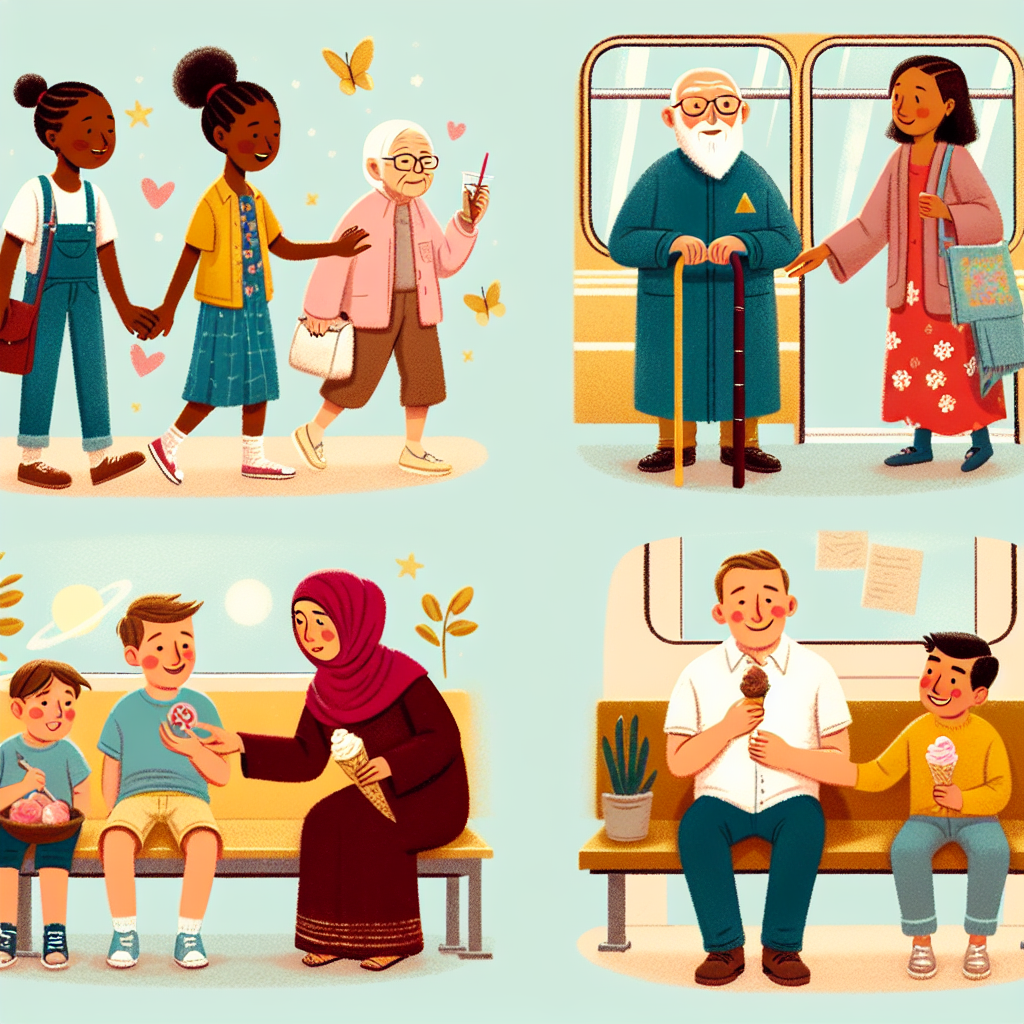
The Power of Acts of Kindness: How Small Gestures Make a Big Difference
Acts of kindness are like ripples on a pond – they can spread far and wide, touching lives in unexpected ways. In a world where we are all too often overwhelmed by our own stresses and preoccupied with our digital lives, it can be easy to overlook the power of a simple act of kindness. Nevertheless, small gestures can have profound effects not only on recipients but on society as a whole. This article delves into the myriad ways that acts of kindness resonate through our lives, communities, and the broader world.
The Psychological Impact of Kindness
Research shows there are numerous psychological benefits to both giving and receiving kindness. Here are just a few key points:
– **Boosting the “Feel-Good” Hormones**: Engaging in acts of kindness releases endorphins, the brain’s natural painkiller. Serotonin and oxytocin, often dubbed the “happy hormone” and the “love hormone” respectively, also get a boost. These chemical changes in the brain promote feelings of happiness and connection.
– **Easing Anxiety and Depression**: Studies suggest that altruistic behavior can help reduce stress and alleviate symptoms of depression. The knowledge that you have made a difference in someone’s life can provide a sense of purpose and fulfillment.
– **Enhancing Social Connections**: Kindness can help forge new friendships and strengthen existing ones. People are naturally drawn to individuals who display compassion and goodwill.
Positive Effects on Physical Health
The benefits of kindness are not limited to our mental and emotional state; our physical health can be positively impacted as well:
– **Improving Heart Health**: Acts of kindness are associated with the release of oxytocin, which, in turn, releases a substance called nitric oxide that dilates the blood vessels. This reduces blood pressure, which is known to be good for heart health.
– **Longevity**: Some studies have observed that people who volunteer regularly have a lower mortality rate than those who do not, even when factors like physical health, age, smoking, and gender are controlled for.
– **Decrease in Chronic Pain**: The focus on others’ well-being can distract from one’s own pain and discomfort, providing relief to those with chronic pain conditions.
The Ripple Effect of Kindness in Communities
One single act of kindness often leads to another, initiating a chain reaction of goodwill. This ripple effect can significantly influence the social climate of entire communities.
– **Inspiring Additional Acts of Kindness**: When people witness or learn about acts of kindness, they are inspired to act kindly in turn. Thus, a single act can multiply exponentially, spreading positivity widely.
– **Strengthening Community Bonds**: Shared acts of kindness create a sense of togetherness and trust among community members. This can be particularly invaluable in times of crisis or hardship, as it encourages a collaborative approach to problem-solving.
– **Reducing Crime and Bullying**: The promotion of empathy and understanding can lead to decreased levels of aggression, crime, and bullying within communities. Acts of kindness serve as practical demonstrations of empathy in action.
Kindness in the Workplace
The benefits of kindness are not confined to personal and social settings; they extend into the professional realm as well.
– **Increased Productivity and Creativity**: Employees who feel valued and treated with kindness are more likely to be productive and engage in creative problem-solving.
– **Better Team Dynamics**: Kindness promotes openness and trust, key components of effective teamwork.
– **Enhanced Employee Retention**: A kind work environment boosts job satisfaction, which can reduce turnover and the associated costs of recruiting and training new employees.
Incorporating Acts of Kindness into Everyday Life
Implementing acts of kindness into your daily routine doesn’t require grand gestures or significant time commitments. Here are some simple but powerful ways to make kindness a part of your life:
– **Complimenting Strangers and Loved Ones**: Genuine compliments can lift spirits, boost confidence, and improve someone’s day drastically.
– **Practicing Active Listening**: Showing interest in what others have to say and offering your full attention is a profound act of kindness.
– **Offering Help to Those in Need**: Whether it’s assisting someone with their groceries or volunteering in your community, offering a helping hand is a tangible expression of kindness.
Educating Future Generations on Kindness
Imparting the value of kindness to children is essential for nurturing compassionate adults and paving the way for a more empathetic society.
– **Modeling Kindness**: Children learn from the actions of adults. Showing them kindness in action teaches them its importance and how to perform acts of kindness themselves.
– **Encouraging Empathy**: Discussions about feelings and showing children how to recognize emotions in others can cultivate empathy.
– **Praising Kind Behaviors**: Recognizing and praising kind behavior in children reinforces its value and encourages them to continue acting kindly.
The Science Behind Kindness
Scientific research has begun to shed light on why kindness has such powerful effects:
– **Mirror Neurons**: These neurons fire when we observe someone else performing an action, allowing us to empathize and even experience a semblance of what others are feeling.
– **Evolutionary Advantages**: From an evolutionary perspective, cooperative behavior and altruism have played significant roles in the survival of species. Humans are socially wired creatures, and acts of kindness reinforce this social connection.
Acts of Kindness as a Cultural Movement
As kindness gains recognition for its multiple benefits, many organizations and movements have sprung up to advocate for and spread acts of kindness.
– **World Kindness Day**: Celebrated on November 13th, this day promotes kindness across the globe through various events and initiatives.
– **Random Acts of Kindness Foundation**: This nonprofit organization provides resources and ideas to inspire people to practice kindness and pass it on to others.
The Economics of Kindness
Lastly, there’s an economic argument to be made for kindness. In business, kind practices can result in loyal customers and clients, fewer grievances and disputes, and a more harmonious workplace.
– **Enhancing Brand Reputation**: Companies known for their kindness, be it towards employees, the environment, or the community, often enjoy a positive brand image.
– **Reducing Costs**: Kindness can decrease the need for disciplinary actions and the associated administrative costs in business settings.
In conclusion, the power of acts of kindness extends far beyond the initial interaction. From improving our own mental and physical health to transforming business practices and community relations, kindness is a seemingly small practice with immense effects. Seizing the opportunity to perform daily acts of kindness can manifest a cascade of positive outcomes, proving that even the smallest gestures can indeed make the biggest difference.
