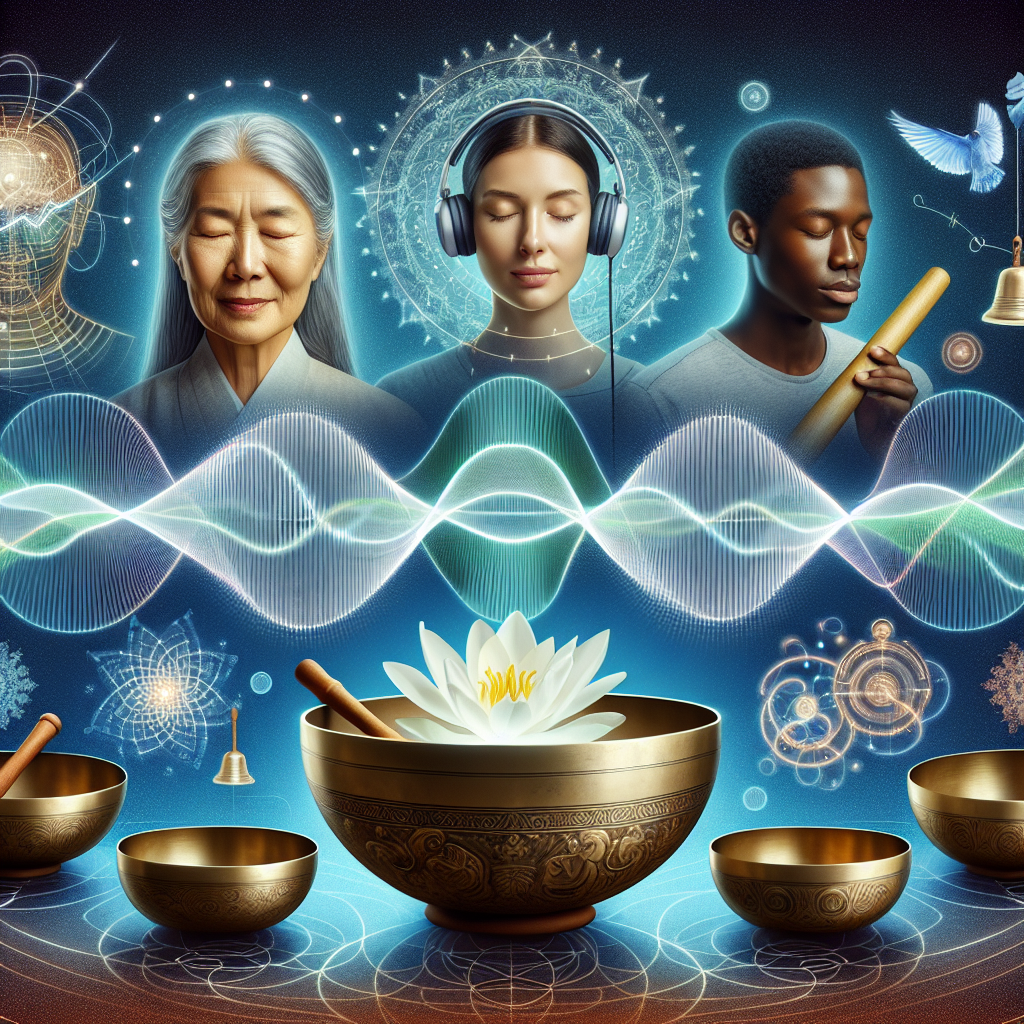
The Science of Sound Meditation: Inner Peace and Emotional Balance Through Sound
Introduction
In the fast-paced world we inhabit today, stress and anxiety have become unwelcome companions in our daily lives. As individuals seek solace and tranquility, sound meditation has emerged as a powerful tool for achieving inner peace and emotional balance. Rooted in ancient traditions yet supported by modern scientific research, sound meditation leverages the therapeutic properties of sound to foster mental clarity and emotional well-being. This article delves into the science behind sound meditation, exploring its benefits, techniques, and the profound impact it can have on our lives.
Understanding Sound Meditation
Sound meditation, often referred to as sound healing or sound therapy, is a practice that utilizes sound vibrations to induce a state of deep relaxation and mental calm. This practice can involve various sound-producing instruments such as singing bowls, gongs, tuning forks, and even the human voice. The fundamental principle is that sound waves can influence our brainwave patterns, leading to altered states of consciousness and emotional healing.
The Science Behind Sound
To comprehend the effectiveness of sound meditation, it is essential to understand the science of sound itself. Sound is a form of energy that travels in waves, measured in frequencies. These frequencies can have a profound impact on our physical and mental states. The human ear can detect sound frequencies ranging from 20 to 20,000 hertz, but the body can also respond to frequencies beyond this range.
When sound waves enter our ears, they are converted into electrical signals that travel to the brain. These signals can influence brainwave activity, which is categorized into different states: beta, alpha, theta, delta, and gamma. Each state corresponds to a specific level of consciousness and mental activity. Sound meditation aims to guide the brain from the active beta state, associated with alertness and stress, to more relaxed states such as alpha and theta, where healing and introspection occur.
The Benefits of Sound Meditation
Sound meditation offers a multitude of benefits for both mental and physical well-being. Scientific studies have demonstrated that regular practice can lead to significant improvements in various aspects of health.
1. Stress Reduction: Sound meditation has been shown to lower cortisol levels, the hormone associated with stress. By inducing a state of relaxation, it helps reduce anxiety and promotes a sense of calm.
2. Enhanced Emotional Balance: Sound vibrations can help regulate emotions by promoting the release of endorphins and serotonin, neurotransmitters that contribute to feelings of happiness and well-being.
3. Improved Sleep Quality: By guiding the brain into deeper states of relaxation, sound meditation can enhance sleep quality and combat insomnia.
4. Pain Management: Sound therapy has been found to alleviate chronic pain by stimulating the body’s natural pain-relief mechanisms.
5. Increased Focus and Clarity: Regular practice can enhance cognitive function, improving concentration and mental clarity.
6. Boosted Immune System: The relaxation induced by sound meditation can strengthen the immune system, making the body more resilient to illness.
Techniques of Sound Meditation
Sound meditation encompasses a variety of techniques, each with its unique approach and benefits. Here are some popular methods:
1. Singing Bowl Meditation: Originating from Tibetan and Himalayan traditions, singing bowls produce resonant tones that promote relaxation. Practitioners gently strike or circle the rim of the bowl to create soothing vibrations.
2. Gong Bath: In a gong bath, participants lie down while a practitioner plays a gong, generating a wide range of frequencies. The immersive sound experience encourages deep relaxation and emotional release.
3. Tuning Fork Therapy: Tuning forks are used to produce specific frequencies that target different areas of the body. This method is often employed to balance energy centers, or chakras, and promote healing.
4. Vocal Toning: This technique involves using the human voice to create harmonious sounds. Chanting or humming can stimulate the vagus nerve, promoting relaxation and emotional balance.
5. Binaural Beats: This modern approach uses headphones to deliver two slightly different frequencies to each ear, creating a perceived third frequency. Binaural beats are known to synchronize brainwaves and induce relaxation.
The Role of Brainwaves in Sound Meditation
The effectiveness of sound meditation is closely linked to its ability to influence brainwave activity. Understanding these brainwave states can shed light on how sound meditation fosters emotional balance and inner peace.
1. Beta Waves: Associated with normal waking consciousness, beta waves are present when we are alert and engaged in mental activities. Excessive beta wave activity can lead to stress and anxiety.
2. Alpha Waves: Alpha waves are indicative of a relaxed yet alert state. They promote creativity, focus, and a sense of calm. Sound meditation often aims to increase alpha wave activity.
3. Theta Waves: Theta waves are associated with deep relaxation, meditation, and creativity. They are prominent during REM sleep and are linked to emotional healing and intuition.
4. Delta Waves: Delta waves are the slowest brainwaves, occurring during deep sleep. They are essential for physical healing and regeneration.
5. Gamma Waves: Gamma waves are associated with heightened perception and consciousness. They are less common during sound meditation but may occur during moments of deep insight.
Scientific Evidence Supporting Sound Meditation
The therapeutic potential of sound meditation is supported by a growing body of scientific research. Studies have demonstrated its efficacy in reducing stress, enhancing mood, and promoting overall well-being.
1. A study published in the Journal of Evidence-Based Integrative Medicine found that participants who engaged in a sound meditation session experienced significant reductions in tension, anger, fatigue, and depression.
2. Research conducted at the University of California, San Diego, showed that sound meditation can enhance emotional regulation by increasing connectivity between brain regions involved in processing emotions.
3. A study in the Journal of Alternative and Complementary Medicine revealed that sound therapy using Tibetan singing bowls led to decreased blood pressure and heart rate, indicating a state of relaxation.
4. Neuroscientific research has demonstrated that sound meditation can increase alpha wave activity, promoting a relaxed yet alert state conducive to emotional healing.
Practical Tips for Practicing Sound Meditation
For those new to sound meditation, starting a practice can be both exciting and rewarding. Here are some practical tips to help you embark on this journey:
1. Create a Quiet Space: Find a quiet and comfortable space where you can practice without distractions.
2. Choose Your Instrument: Select a sound-producing instrument that resonates with you, whether it be a singing bowl, gong, or tuning fork.
3. Set an Intention: Before beginning your session, set a clear intention for your practice, such as relaxation, emotional healing, or stress reduction.
4. Focus on Your Breath: Begin by taking slow, deep breaths to center yourself and prepare for the sound experience.
5. Allow Yourself to Be Present: Let go of any expectations and allow yourself to be fully present in the moment, embracing the sounds and vibrations.
6. Practice Regularly: Consistency is key. Aim to practice sound meditation regularly to experience its full benefits.
Conclusion
Sound meditation is a powerful practice that bridges the gap between ancient wisdom and modern science. By harnessing the therapeutic properties of sound, individuals can achieve inner peace and emotional balance, leading to a more fulfilling and harmonious life. As research continues to unveil the profound impact of sound on the mind and body, sound meditation stands as a beacon of hope for those seeking tranquility in a chaotic world. Embrace the science of sound meditation and embark on a transformative journey toward emotional well-being and inner peace.
