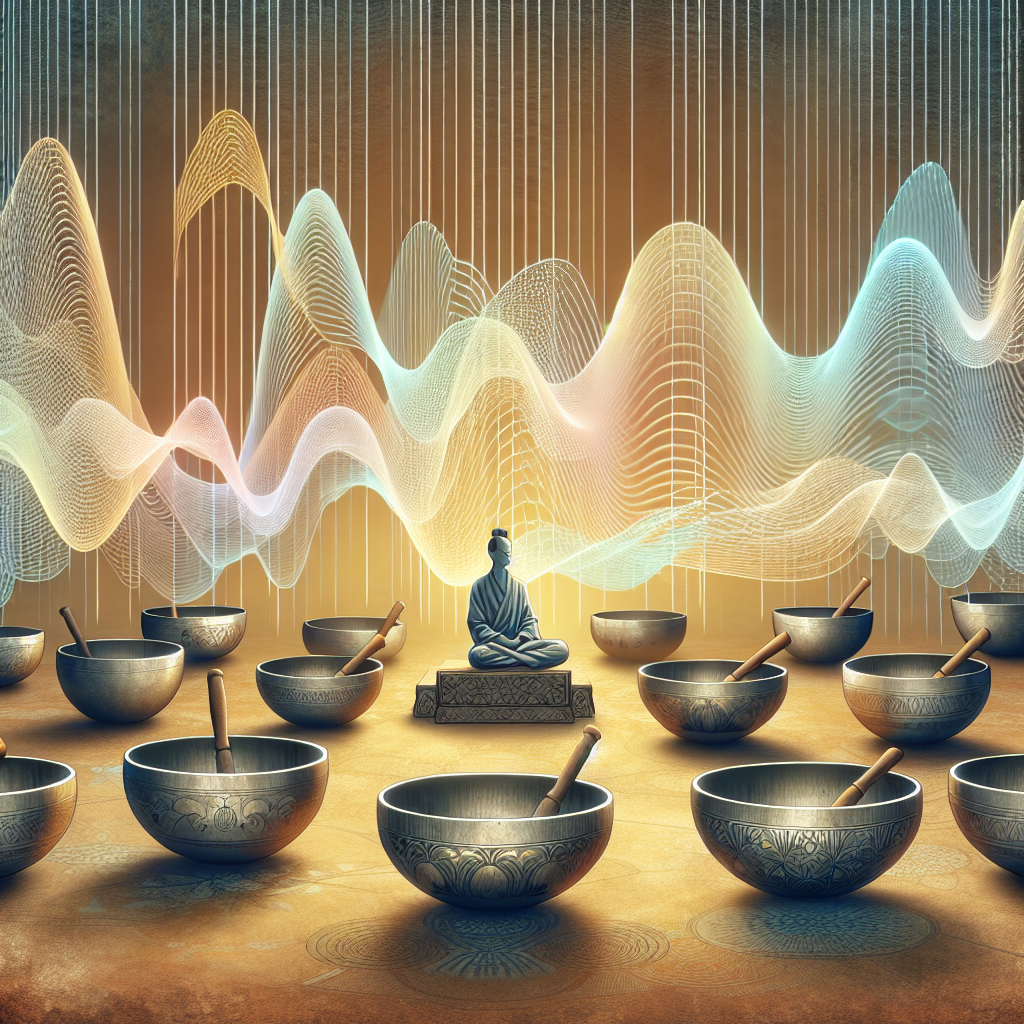
The Science of Sound Baths with Tibetan Singing Bowls: Healing and Relaxation
In recent years, holistic practices have gained immense popularity as individuals seek alternative methods to enhance their well-being and reduce stress. Among these practices, sound baths with Tibetan singing bowls have emerged as a unique and effective form of healing and relaxation. This article delves into the science behind sound baths, exploring how Tibetan singing bowls contribute to mental and physical health, and why this ancient practice is capturing the attention of modern wellness enthusiasts.
Understanding Tibetan Singing Bowls
Tibetan singing bowls are believed to have originated in the Himalayan region, with their use dating back thousands of years. Traditionally crafted from a combination of metals, these bowls produce a rich, resonant sound when struck or circled with a mallet. The unique tones and vibrations generated by the bowls are said to promote relaxation, meditation, and healing.
The bowls are typically made from a blend of seven metals, each corresponding to a different celestial body: gold (Sun), silver (Moon), mercury (Mercury), copper (Venus), iron (Mars), tin (Jupiter), and lead (Saturn). This composition is thought to imbue the bowls with a powerful energy that enhances their therapeutic properties.
The Science Behind Sound Baths
Sound baths involve immersing oneself in the soothing sounds and vibrations produced by instruments like Tibetan singing bowls. Participants lie down or sit comfortably while a practitioner plays the bowls, creating a harmonious and meditative environment. The science behind sound baths is rooted in the concept of sound therapy, which posits that sound can influence physical, emotional, and mental well-being.
1. Sound Waves and Brainwaves
The human brain operates at different frequencies, known as brainwaves, which correspond to various states of consciousness. Sound baths aim to alter brainwave activity, promoting relaxation and reducing stress. The primary brainwave states include:
– Beta: Associated with active thinking and alertness.
– Alpha: Linked to relaxation and meditation.
– Theta: Related to deep meditation and creativity.
– Delta: Connected to deep sleep and healing.
During a sound bath, the vibrations from the singing bowls are believed to guide the brain from a beta state to an alpha or theta state, facilitating relaxation and meditation.
2. Resonance and Entrainment
Resonance is the phenomenon by which an object vibrates in response to external vibrations at a particular frequency. In the context of sound baths, the body is thought to resonate with the vibrations of the singing bowls, promoting balance and harmony.
Entrainment is a related concept, referring to the synchronization of biological rhythms with external rhythms. Sound baths may encourage the body’s natural rhythms to align with the calming frequencies of the bowls, leading to a state of equilibrium and well-being.
3. The Impact on the Nervous System
The autonomic nervous system, which regulates involuntary bodily functions, is divided into the sympathetic and parasympathetic systems. The sympathetic system is responsible for the fight-or-flight response, while the parasympathetic system promotes rest and digestion.
Sound baths are believed to activate the parasympathetic nervous system, reducing stress and promoting relaxation. The soothing sounds and vibrations can lower heart rate, decrease blood pressure, and alleviate muscle tension, contributing to a sense of calm and tranquility.
The Healing Benefits of Sound Baths
Sound baths with Tibetan singing bowls offer a range of potential benefits, both physical and psychological. While scientific research in this area is still emerging, anecdotal evidence and preliminary studies suggest several positive effects.
1. Stress Reduction and Relaxation
One of the most widely reported benefits of sound baths is their ability to reduce stress and promote relaxation. The calming sounds and vibrations can help quiet the mind, allowing participants to release tension and anxiety. This state of relaxation can have a profound impact on overall well-being, improving mood and enhancing quality of life.
2. Enhanced Meditation and Mindfulness
Sound baths can serve as a powerful tool for meditation and mindfulness practices. The soothing tones of the singing bowls provide a focal point for the mind, helping individuals enter a meditative state more easily. This enhanced meditation experience can lead to greater self-awareness, clarity, and emotional balance.
3. Improved Sleep Quality
Many individuals struggle with sleep disturbances, which can negatively impact health and well-being. Sound baths may promote better sleep by calming the nervous system and preparing the body for rest. Participants often report improved sleep quality and increased feelings of rejuvenation after a session.
4. Pain Relief and Physical Healing
Some proponents of sound therapy suggest that the vibrations from singing bowls can aid in pain relief and physical healing. While more research is needed to substantiate these claims, some individuals report reduced pain and discomfort following sound bath sessions. The vibrations may stimulate circulation and promote the release of endorphins, the body’s natural painkillers.
5. Emotional Release and Balance
Sound baths can facilitate emotional release and balance by creating a safe space for individuals to process and let go of negative emotions. The meditative environment encourages introspection and self-reflection, allowing participants to confront and release emotional blockages.
Participating in a Sound Bath
For those interested in experiencing the benefits of sound baths, there are several ways to participate. Many wellness centers and yoga studios offer group sound bath sessions, led by experienced practitioners. These sessions typically last between 30 minutes to an hour and are conducted in a serene, dimly lit environment.
Participants are encouraged to wear comfortable clothing and bring items like a yoga mat, blanket, or pillow to enhance their comfort during the session. It is important to approach the experience with an open mind and a willingness to relax and let go.
For those who prefer a more personalized experience, private sound bath sessions are also available. These sessions can be tailored to individual needs and preferences, providing a customized healing experience.
Incorporating Sound Baths into Daily Life
While attending a professional sound bath session is a wonderful experience, individuals can also incorporate elements of sound healing into their daily lives. Here are a few suggestions for integrating sound therapy at home:
– Listening to recordings of Tibetan singing bowls or other soothing sounds can create a calming ambiance.
– Using a small singing bowl at home for meditation or relaxation can provide a personal sound healing practice.
– Exploring guided meditation apps that incorporate sound therapy can enhance mindfulness and relaxation.
Conclusion
Sound baths with Tibetan singing bowls offer a fascinating blend of ancient tradition and modern wellness practices. By harnessing the power of sound and vibration, these sessions provide a unique opportunity for relaxation, healing, and self-discovery. As interest in holistic health continues to grow, sound baths are likely to become an increasingly popular tool for those seeking balance and well-being in their lives. Whether experienced in a group setting or practiced at home, the soothing sounds of Tibetan singing bowls have the potential to transform the mind, body, and spirit.
