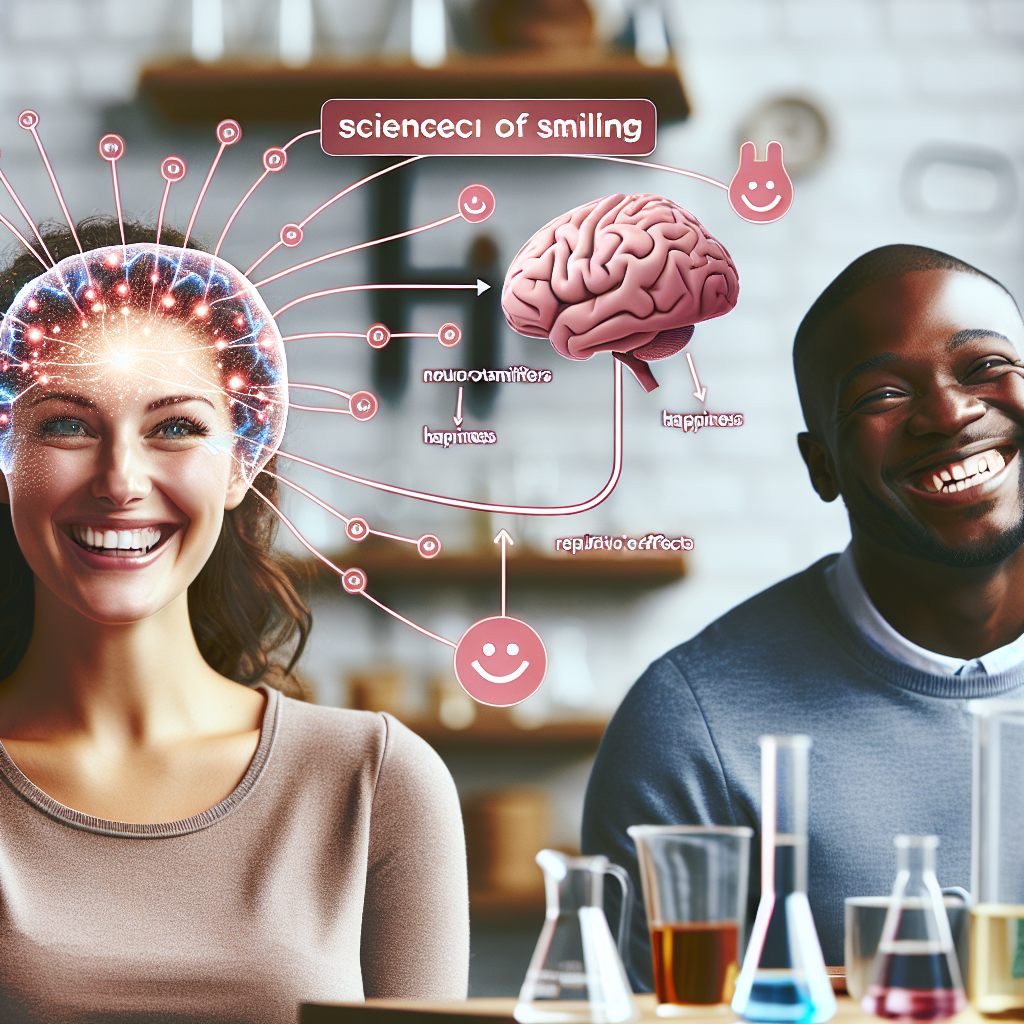
The Science of Smiling: How It Affects Your Mood and Others
Have you ever noticed how a simple smile can brighten your day? From a brief exchange with a stranger to the beaming grin of a loved one, smiles are more than mere facial expressions. They possess a powerful influence on our mood and the emotions of those around us. With a mix of psychology, neuroscience, and social science, the act of smiling is a fascinating topic that delves deep into the complex nature of human interactions and internal experiences.
**Understanding Smiles and Their Types**
Before comprehending how a smile affects us, it’s essential to recognize that not all smiles are created equal:
– **The Duchenne Smile:** Named after the 19th-century French neurologist Guillaume Duchenne, this is the smile that involves not just the muscles around the mouth, but those around the eyes. It is often considered the most genuine form of smiling.
– **Polite or Social Smile:** These are the smiles one might use out of courtesy or when engaging in social niceties. They tend to be less intense and do not engage the eye muscles.
– **Forced or Fake Smile:** At times, people may smile when they do not feel particularly happy or amicable. These forced smiles can serve various purposes, such as hiding true feelings or adhering to social etiquette.
**The Benefits of Smiling on Personal Wellbeing**
When discussing the effects of smiling, it’s crucial to look at how it influences our own mood and health.
– **Endorphin Release:** Smiling activates the release of neuropeptides, including endorphins, which act as natural stress relievers. These chemical releases can help improve mood and lower stress levels, making individuals feel happier and more relaxed.
– **Improved Heart Health:** Some studies suggest that smiling might have a beneficial effect on heart health. By reducing stress, which is a risk factor for heart disease, smiling may indirectly protect your cardiovascular system.
– **Enhanced Immune Function:** Laughter, which usually accompanies smiling, is known to boost the immune system by increasing the production of immune cells and infection-fighting antibodies.
**Smiling and Social Interaction**
The influence of smiling reaches beyond our internal systems. When we smile, we also affect those around us:
– **Fostering Trust:** When someone smiles genuinely, it can promote trust in social interactions. People are generally more inclined to trust and cooperate with individuals who smile authentically.
– **Improving Connections:** Smiles are often contagious. When we smile at someone, they are likely to smile back, creating a positive feedback loop that enhances social bonding.
– **Enhancing Attractiveness:** Individuals who smile more are often perceived as more attractive and likable. A smile can make a person seem more approachable and friendly, which can be advantageous in both personal and professional settings.
**Smiling and Its Professional Impact**
Smiling can play a significant role in the workplace and can influence professional relationships and career progression:
– **Better Leadership Perception:** Leaders who often smile are seen as more approachable and effective. This positive perception can lead to improved team dynamics and productivity.
– **Customer Service Enhancement:** In customer-facing roles, smiles can create a welcoming atmosphere that enhances customer satisfaction and loyalty.
– **Networking Opportunities:** Smiling makes individuals appear more sociable, which can open doors to networking opportunities and potential career growth.
**Neuroscience Behind Smiling**
From a neuroscientific perspective, smiling is quite intriguing. It involves a complex interaction between the brain, facial muscles, and various neurotransmitters:
– **Facial Feedback Hypothesis:** This theory suggests that our facial expressions can influence our emotional experiences. Smiling, even if it’s forced, might actually trick your brain into feeling happier.
– **Mirror Neurons:** These specialized neurons fire both when an individual acts and when they observe the same action in others. When we see someone smile, our mirror neurons activate, prompting us to smile and potentially share their emotional state.
**The Psychological Perspective**
Psychology offers further insight into the power of smiling. Numerous studies have examined how smiles can affect our mental state and perceptions:
– **Subjective Wellbeing:** People who smile more often tend to have higher subjective wellbeing. The act of smiling can enhance one’s perception of their quality of life.
– **Coping Mechanism:** Smiling can be used as a coping mechanism during stress or adversity, providing a temporary relief or distraction from negative feelings.
– **Perception of Others:** Psychologists have found that we are more likely to assign positive attributes to individuals who smile, viewing them as more competent, accessible, and cordial.
**Cultural Considerations of Smiling**
It’s vital not to overlook the cultural context of smiling. Across different cultures, the meaning and implications of smiling can vary significantly:
– **Expressions of Affiliation:** In some cultures, smiling is a non-verbal way of signaling warmth and intent to engage in social interaction.
– **Varied Social Norms:** In certain societies, smiling too much can be perceived as a sign of superficiality or lack of seriousness, particularly in professional contexts.
– **Universal Sign of Happiness:** Despite cultural differences, smiling is almost universally recognized as an expression of joy and happiness.
**Encouraging More Smiling in Everyday Life**
Incorporating more smiles into one’s daily routine could potentially lead to a happier and more fulfilling life:
– **Mindfulness and Smiling:** Being mindful of the moments that bring joy can naturally lead to more smiling.
– **Positive Affirmations:** The use of positive affirmations and looking for reasons to smile can indeed reinforce a more optimistic outlook on life.
– **Spreading Smiles:** By making an effort to smile at others, not only do we improve our mood, but we also contribute to a more positive environment around us.
**Conclusion**
The science of smiling is an enigmatic blend of emotional, physiological, and social phenomena. Whether it’s through the release of endorphins, fostering interpersonal trust, or the activation of our mirror neurons, the power of smiling touches every aspect of our lives. Embracing smiles, sharing them, and understanding their profound impact can lead to a deeper appreciation of the simple yet mighty smile. Encourage yourself to smirk, beam, or flash a grin, and you might just find that the world will smile right back at you.
