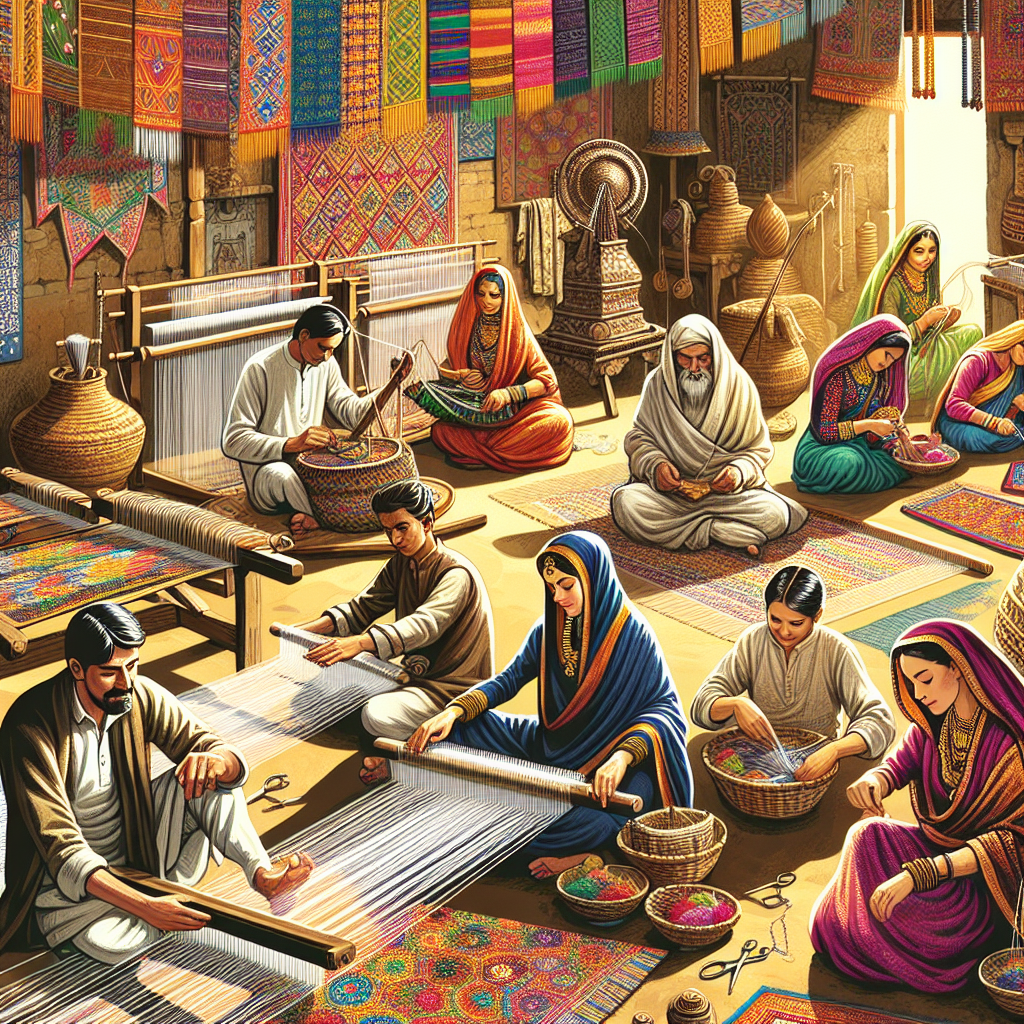
The Role of Traditional Weaving and Textile Arts in Cultural Preservation
Introduction
In a rapidly globalizing world, where technology and modernity often overshadow traditional practices, the preservation of cultural heritage has become increasingly vital. Among the myriad ways cultures express their unique identities, traditional weaving and textile arts stand out as both a functional craft and a profound repository of history and tradition. These ancient arts are more than mere techniques for creating fabric; they are a tapestry of cultural narratives, embodying the values, beliefs, and histories of communities worldwide. This article explores the significance of traditional weaving and textile arts in cultural preservation, examining their historical roots, cultural significance, and contemporary relevance.
Historical Roots of Weaving and Textile Arts
The origins of weaving and textile arts can be traced back thousands of years, with evidence of woven fabrics found in archaeological sites dating as far back as the Neolithic era. These early textiles were crafted using natural fibers such as wool, cotton, and flax, and were initially used for practical purposes, including clothing, shelter, and trade. Over time, weaving evolved into a sophisticated art form, with each culture developing distinct styles, techniques, and patterns that reflected their environment and way of life.
1. Ancient Techniques and Materials
– Early weavers utilized natural resources available in their regions, such as wool from sheep, silk from silkworms, and cotton from plants.
– Techniques varied widely, with some cultures developing complex looms and intricate patterns, while others focused on simpler, handwoven methods.
2. Cultural Exchange and Influence
– Trade routes such as the Silk Road facilitated the exchange of textile techniques and materials, leading to a cross-pollination of styles and innovations.
– As cultures interacted, weaving became a medium for sharing and integrating diverse artistic influences.
Cultural Significance of Weaving and Textile Arts
Weaving and textile arts hold profound cultural significance, serving as a visual language that communicates the identity and heritage of a community. These arts are deeply intertwined with rituals, ceremonies, and daily life, often symbolizing social status, spiritual beliefs, and historical narratives.
1. Symbolism and Identity
– Patterns and motifs in textiles often carry symbolic meanings, representing elements of nature, spiritual beliefs, or historical events.
– Traditional garments and textiles are used to express cultural identity, differentiate social classes, and signify important life events such as births, marriages, and funerals.
2. Preservation of Oral Traditions
– Weaving is often accompanied by oral traditions, with stories and songs passed down through generations alongside the craft.
– These narratives enrich the cultural significance of textiles, embedding them with stories of ancestors, myths, and communal values.
Contemporary Relevance of Traditional Weaving
In the modern era, traditional weaving and textile arts face challenges from industrialization and mass production. However, they continue to hold relevance as a means of cultural preservation and economic empowerment for many communities.
1. Revival and Innovation
– There is a growing movement to revive traditional weaving techniques, with artisans and designers incorporating these methods into contemporary fashion and interior design.
– Innovators are blending traditional patterns with modern aesthetics, creating unique pieces that appeal to global markets while preserving cultural heritage.
2. Economic Empowerment and Sustainability
– Traditional weaving provides economic opportunities for artisans, particularly in rural and indigenous communities, where it can serve as a primary source of income.
– The emphasis on sustainable and ethical production in the textile industry has increased demand for handcrafted, eco-friendly textiles, promoting the value of traditional methods.
Challenges and Opportunities in Preserving Textile Arts
While traditional weaving and textile arts offer significant cultural and economic benefits, they also face numerous challenges that threaten their survival. Addressing these challenges requires concerted efforts from governments, organizations, and communities.
1. Threats to Traditional Practices
– The decline of traditional skills due to urbanization and the allure of modern occupations poses a significant threat to the survival of textile arts.
– The availability of cheap, mass-produced textiles diminishes the demand for handcrafted pieces, making it difficult for artisans to sustain their livelihoods.
2. Strategies for Preservation
– Education and training programs can help preserve traditional techniques by teaching younger generations the skills needed to continue the craft.
– Collaboration between governments, NGOs, and cultural institutions can provide resources and platforms for artisans to showcase and sell their work, ensuring economic viability.
3. Role of Technology
– Digital platforms offer new opportunities for artisans to reach global audiences, providing access to markets that were previously inaccessible.
– Technology can also aid in the documentation and archiving of traditional patterns and techniques, ensuring they are preserved for future generations.
Conclusion
Traditional weaving and textile arts are more than mere crafts; they are vital expressions of cultural heritage that embody the stories, values, and identities of communities worldwide. As we navigate the complexities of a modern, interconnected world, the preservation of these arts is essential for maintaining cultural diversity and fostering a sense of identity and belonging. By recognizing the significance of traditional weaving and textile arts, supporting artisans, and embracing innovation, we can ensure that these timeless traditions continue to enrich our cultural landscape for generations to come.
